How Should Nursing Homes Plan a Bulk Uniform Order?
Plan a bulk uniform order by role, garment type, color, sizing, laundering method, and exposure risk before you ask anyone for a price. TB Uniform's custom-manufacturing minimum is 100 pieces per color and model. Samples generally take 5–7 business days; approved production and delivery typically run 4–6 weeks, depending on materials and project complexity.
The order in which you make these decisions matters. Facilities that request quotes before mapping roles usually end up re-quoting once the garment list changes.
Which nursing home roles need separate uniform specifications?
A complete nursing home program covers at least 5 groups: care, therapy, housekeeping, food service, and administration.
One garment spec for every department sounds efficient until it meets reality: housekeeping staff reach and kneel all day, kitchen staff work near heat and spills, and nurses need pockets a receptionist never uses. Map each role to what the job actually demands from the garment.
| Staff group | Possible garments | Specification priorities |
|---|---|---|
| Nurses and care staff | Scrub tops, trousers, warm-up jackets | Movement, pockets, fit, wash process |
| Therapy staff | Polos, trousers, tunics | Mobility, professional appearance, identification |
| Housekeeping staff | Tunics, work shirts, trousers | Reach, pocket security, abrasion, laundering |
| Food-service staff | Chef coats, aprons, trousers | Kitchen tasks, closures, wash requirements |
| Administration and reception | Shirts, polos, cardigans | Brand consistency, fit, indoor comfort |
Decide early whether employees receive personal garments or draw from a shared pool. Shared inventory works, but only with clear size identification and a distribution process that keeps departments and locations from mixing stock.
How can color coding support role recognition?
A workable color system rests on 3 things used consistently: garment color, a department identifier, and a documented meaning that residents, visitors, and staff all know.
Color coding helps residents and families tell personnel apart, but keep the palette small. Shades that look distinct on a swatch card can blur together under indoor lighting or after fifty wash cycles.
A common approach: one base color per department, with embroidery carrying the site, role, or employee name. Before production, check contrast between department colors, logo visibility on each shade, whether every color is available across all garment types, colorfastness requirements, and how the palette will be communicated to residents.
There is also a cost angle. Every additional color creates a separate production block under TB Uniform's 100-piece minimum per color and model. A facility with a six-person therapy team is usually better off sharing a base color with role-specific embroidery than ordering a low-volume color block it cannot fill.
Which garments belong in a coordinated program?
Most nursing home programs sort into 4 garment families: clinical apparel, outer layers, service uniforms, and administrative staffwear.
Clinical apparel means scrub tops and trousers. Outer layers cover warm-up jackets and ordinary lab-style coats. Service uniforms handle housekeeping and food-service roles, and polos or shirts suit reception and management.
The custom scrub manufacturing guide explains how style and color choices interact with the minimum order. For coats, the wholesale lab coat guide covers length, pockets, closures, and where protective claims end.
Food service deserves its own functional spec rather than a repurposed clinical garment. Chef coats and aprons have different closure, heat, and wash requirements, covered in the wholesale chef uniforms guide.
Which fabric and laundry details should be defined?
A bulk uniform specification should record at least 7 textile variables: composition, weight, stretch, shrinkage, colorfastness, abrasion, and laundering conditions.
"Nursing home fabric" is not a specification anyone can quote against. State the wear environment, wash temperature, drying process, expected wash frequency, and whether laundering happens institutionally or at home. Institutional laundry at high temperatures kills garments that would survive years of domestic washing.
The review list: fiber composition and percentages, fabric weight, woven or knitted construction, stretch and recovery, dimensional change, colorfastness, pilling and abrasion, opacity, care instructions, and whether labels and decoration survive the intended wash process.
If wash performance is a purchasing criterion, test the sample through the actual care cycle before approving it. Fabric choice should also account for indoor temperature, task movement, and what staff wear underneath.
TB Uniform can address project requirements involving OEKO-TEX, GOTS, REACH, and ISO 9001. Verify the applicable certificate, material, supplier, product class, scope, and validity for your individual project; these references are not blanket certifications covering every uniform.
How should sizes and quantities be planned?
A practical size plan uses 2 inputs: actual garment measurements and a quantity matrix built from the facility's employee population.
S, M, and L labels do not replace a measurement chart. Each model needs defined chest, waist, hip, length, sleeve, inseam, and any other relevant dimensions, because one supplier's Medium is another's Large.
Before sampling, collect employee size requirements, garment preferences by role, quantities per size, an allowance for onboarding, replacement-stock needs, extended sizes, and any maternity or adaptive requirements.
Test fit on real employees doing real movements: reaching, bending, sitting, assisting residents. And settle one question early: if garments carry embroidered names, they become employee-specific, which limits how spare stock can be reassigned later.
What branding information should the manufacturer receive?
A complete branding file contains at least 4 approved elements: vector artwork, finished dimensions, color references, and measured placement.
TB Uniform supports private labels, custom patterns, colors, and models, with printing and embroidery handled in-house. Submit authorized artwork and specify whether the garment displays the facility, operating company, department, role, or employee name.
The approval file should document logo width and height, thread or print colors, placement measured from fixed garment points, the employee-name format, department wording, main and size labels, origin and fiber information, care instructions, and packaging or distribution labels.
Approve the actual logo on the selected fabric, not on a spec sheet. Stitch coverage and appearance shift with material weight, stretch, and garment color.
Are nursing home uniforms the same as PPE?
No. OSHA's 29 CFR 1910.1030 separates ordinary work clothing from PPE selected for occupational exposure to blood or other potentially infectious materials.
Standard scrub tops, trousers, polos, and housekeeping garments should not be described as protective equipment by default. PPE selection depends on the task and the anticipated exposure.
The CDC's Enhanced Barrier Precautions guidance for nursing homes addresses gown and glove use during specified high-contact care activities involving residents with certain multidrug-resistant organism risks. A routine staff uniform does not replace those measures.
If an employer treats a garment as PPE, the required material, coverage, fit, use, removal, storage, laundering, and replacement processes must be established accordingly. OSHA states that employers must clean, launder, and dispose of required bloodborne-pathogen PPE at no cost to employees.
Official references:
- CDC Enhanced Barrier Precautions FAQ for nursing homes
- OSHA Bloodborne Pathogens standard
- OSHA worker protections against infectious exposure
- CDC infection-control guidance on uniforms and PPE
None of this replaces a facility-specific hazard assessment or advice from qualified infection-control, safety, and compliance personnel.
Which US garment-label rules should be reviewed?
Covered US textile products commonly require 3 core disclosures: fiber content, country of origin, and the identity of the responsible manufacturer or dealer.
The FTC textile guidance explains these disclosures and when a company name or Registered Identification Number applies.
The FTC care-label guidance describes care-instruction requirements and an exemption for certain uniforms sold to institutional buyers for commercial use. Do not assume every bulk uniform qualifies; check whether your ownership, distribution, and employee-purchase model actually fits the exemption.
Imported garments need accurate origin information. Review label content, language, placement, permanence, and the responsible US business before bulk production starts.
How does a custom bulk order proceed?
A nursing home uniform project runs through 6 stages: role mapping, specification, quotation, sampling, approval, and bulk delivery.
TB Uniform was founded in 2004 and manufactures in Istanbul, Turkey. Production capacity can reach 50,000 pieces per month depending on the product, order mix, materials, and scheduling. The company exports to Europe and North America.
The order process should nail down garments and colors by department, measurements and size quantities, fabric and laundering requirements, branding and labels, sample-review criteria, and final commercial and delivery terms.
A sample generally takes 5–7 business days once the specification, material, and artwork inputs are confirmed. Production and delivery generally require 4–6 weeks after written approval. Fabric availability, product complexity, revisions, freight, and customs can move these dates.
Current prices, sample charges, fabric availability, payment terms, Incoterms, freight, duties, employee packing services, and replenishment terms all depend on the specific project. To get a quotation, send TB Uniform the role list, garment matrix, quantities by size and color, technical requirements, artwork, destination, and requested delivery date through the quote request page.
What do nursing home buyers ask about bulk uniforms?
What is the minimum order for nursing home uniforms?
TB Uniform's minimum is 100 pieces per color and model. Different scrub tops, trousers, jackets, shirts, or department colors normally form separate production blocks. Submit a garment matrix showing every style, color, size, and quantity so the manufacturer can confirm how the MOQ applies and whether production is feasible.
Can one order include uniforms for several departments?
Yes. One purchasing project can span several departments, but each garment model and color is evaluated separately against the 100-piece minimum. A shared base color simplifies ordering for small departments; embroidery or another approved identifier can distinguish roles without creating a stack of low-volume color blocks.
Can multiple sizes be included in a production block?
Multiple sizes can be planned within the same color-and-model block, subject to approved patterns and project confirmation. Supply quantities for every size, including extended sizes, and resolve measurement charts, grading increments, tolerances, and any size-related cost differences before bulk cutting.
Can uniforms include a facility logo and employee names?
Yes. TB Uniform handles embroidery and printing in-house and supports private labels. Provide authorized vector artwork, dimensions, colors, placement, exact employee-name data, and a spelling-approval process. Keep in mind that name personalization limits your ability to reassign unused garments, so plan spare stock first.
How long do sampling and bulk production take?
A sample generally takes 5–7 business days after required inputs are confirmed. Production and delivery generally require 4–6 weeks after written approval. Material availability, number of models, branding, individual names, packaging, freight, customs, and requested revisions can shift the confirmed schedule.
Do ordinary nursing home uniforms protect against infection?
No, not without a defined hazard, suitable design, testing, documentation, and a workplace program behind them. CDC guidance may call for gowns and gloves during specified resident-care activities. Your infection preventionist and safety personnel should determine required PPE separately from the general staff-uniform program.
Recommended image alt texts
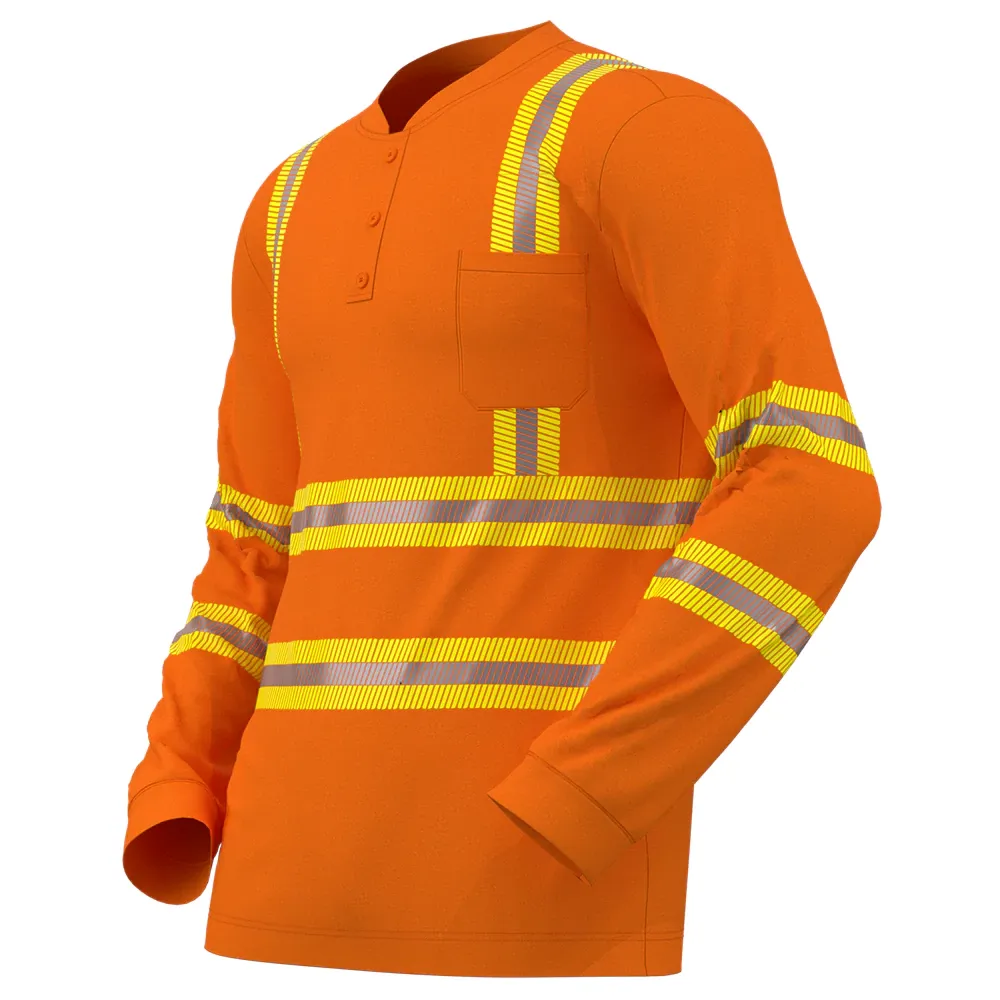
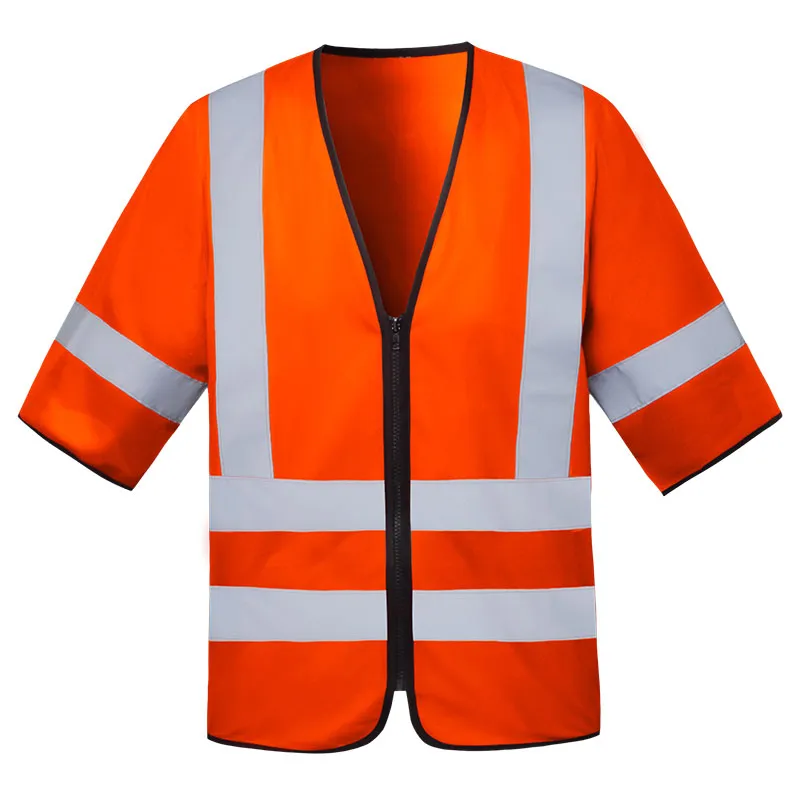
- Coordinated bulk nursing home uniforms for clinical, therapy, housekeeping, food-service, and reception teams arranged by role and color.
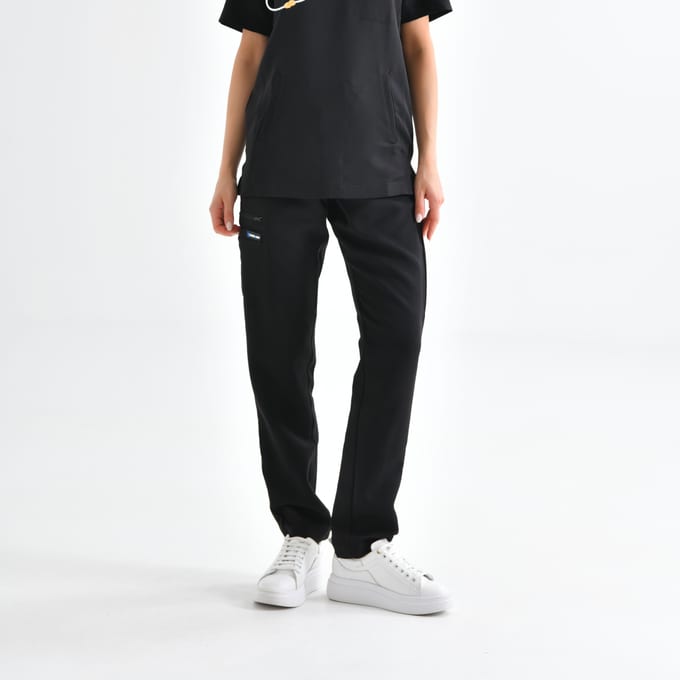
- Color-coded scrub tops and department garments laid out for a long-term care uniform program.
- Embroidery detail showing facility logo and employee name on a nursing home scrub top.