How to Evaluate a Workwear Manufacturer in Istanbul, Turkey
A distributor or corporate buyer sourcing from Turkey has to check more than price per unit. Factory scope, product range, minimum order quantity, the sample process, fabric documentation, and delivery timelines all determine whether a manufacturer can actually run a private-label program. TB Uniform has operated its own production facility in Istanbul since 2004, with a minimum order of 100 units per color and style, samples ready in 5-7 business days, and production plus delivery typically running 4-6 weeks after approval.
What does an Istanbul-based factory actually produce?
The facility runs pattern development, cutting, sewing, printing, and embroidery in-house across five core product categories.
Buying from a catalog and commissioning custom-made workwear are not the same sourcing process. For a private-label order, fabric code, pattern, color, pocket layout, trims, and logo placement all get locked in before the order is placed, not adjusted mid-run.
TB Uniform's Istanbul facility produces:
- Work pants and work jackets
- Coveralls and vests
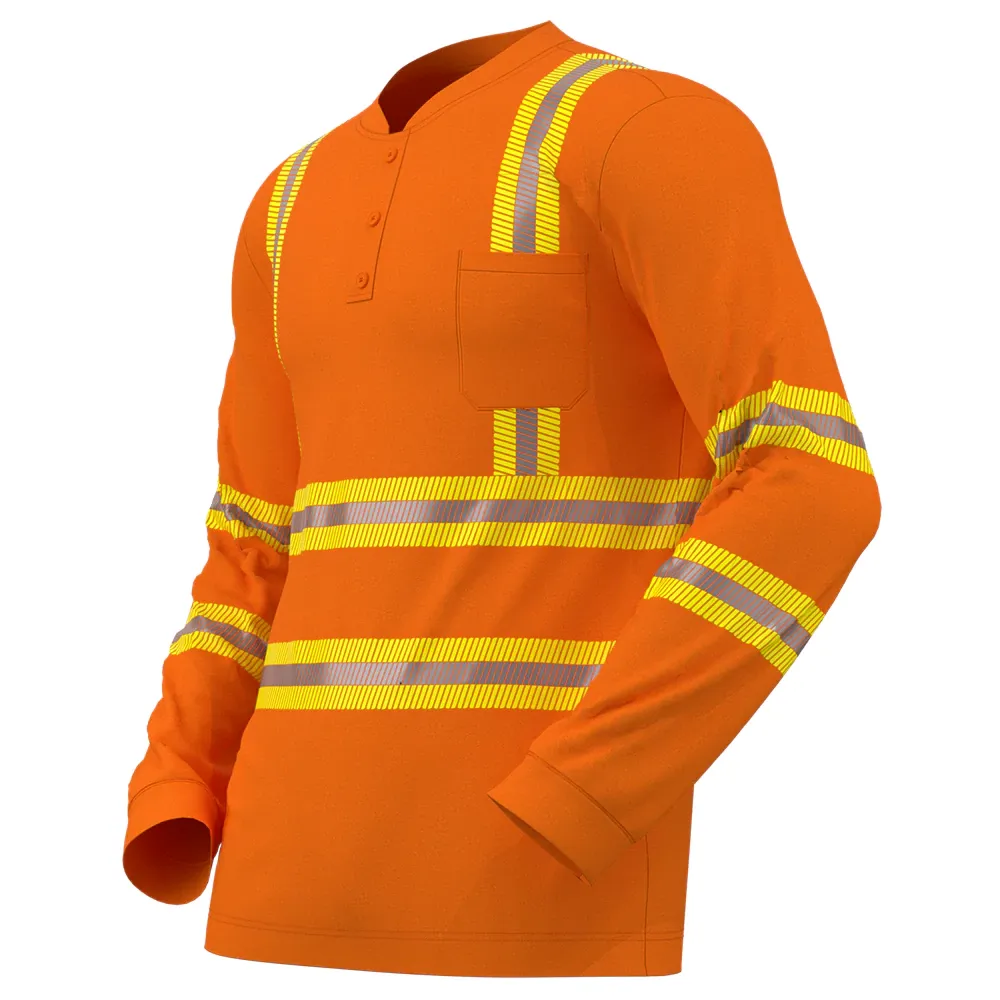
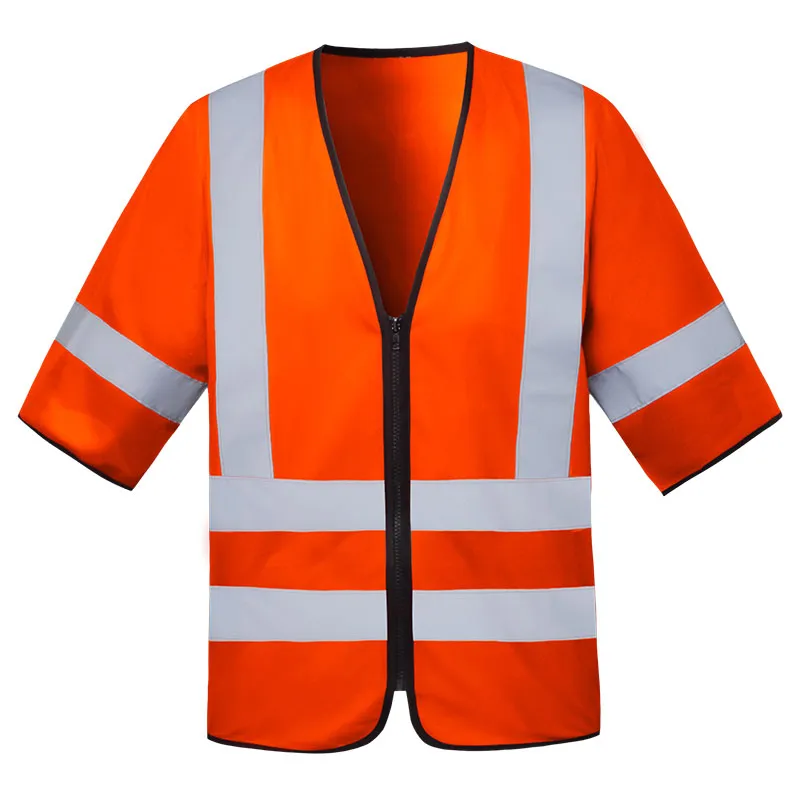
- High-visibility garments
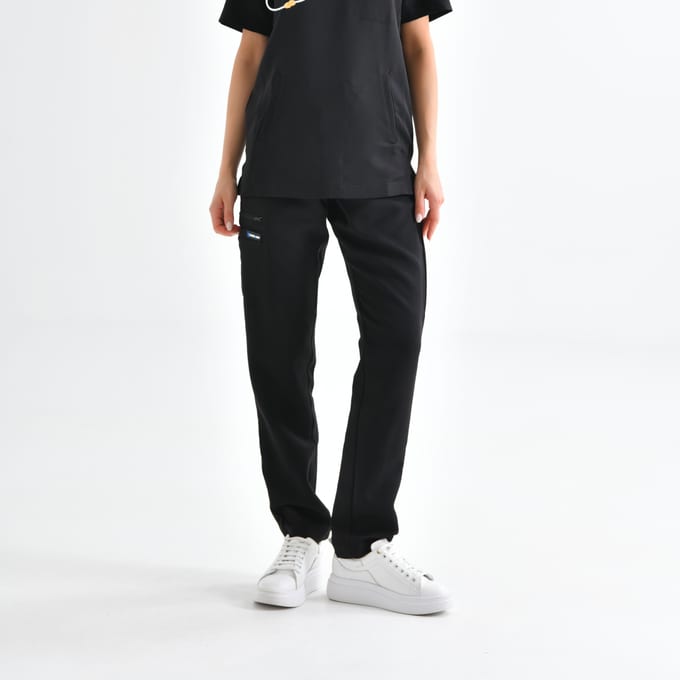
- Medical scrubs and lab coats
- Chef, server, and hospitality staff uniforms
- Private label and contract manufacturing
Monthly capacity can reach up to 50,000 units, depending on the product category. Capacity alone doesn't set a delivery date. Pattern variety, fabric sourcing, and the approval schedule all factor into the actual timeline a buyer should plan around.
How does the 100-unit minimum order actually work?
The 100-unit threshold applies per color and per style, not to a buyer's total order.
A batch of 100 work pants in one color and one style can be split across a company's full size range. A different color or a different pattern, on the other hand, starts a new production variant with its own 100-unit minimum.
| Order element | Planning rule |
|---|---|
| Style | Evaluated separately per style |
| Color | Each color carries its own 100-unit threshold |
| Size | Freely distributed within one color-style variant |
| Women's and men's fit | Can be split by garment structure |
| Logo | Each application type and variable field is specified separately |
| Packaging | Defined by size, department, or individual employee |
Buyers coordinating several small departments can often combine them under one shared style to clear the threshold faster. For the full breakdown, see the workwear minimum order quantity guide.
Why does a sample take 5-7 business days?
That window covers more than a color check: fabric, pattern, pockets, trims, printing, and labels all need to be verified on the same physical garment.
The sample is the reference point bulk production is measured against. Starting the sample stage before technical details are finalized is the most common cause of mid-run revisions and delays.
A sample review typically covers:
- Style and fabric code
- Physical color reference
- Size and measurement chart
- Pocket and trim construction
- Logo size and placement
- Care and brand labels
- Written revision requests
Where printing or embroidery is planned, the logo file needs to be shared in a production-ready vector format before sampling starts. For application options, see the logo-printed workwear guide.
What do OEKO-TEX, GOTS, ISO 9001, and REACH actually cover?
Each certification addresses a separate compliance area, and none of them substitutes for another.
OEKO-TEX STANDARD 100 tests textile products for harmful substances. The certificate needs to cover the specific fabric or product category being quoted, not just the manufacturer in general.
GOTS sets environmental and social criteria for processing organic-fiber textiles. If an order calls for organic content, the scope certificate should be checked against the finished product, not the raw fiber alone.
ISO 9001:2015 is a quality management system standard. On its own, it doesn't demonstrate the performance of any particular fabric.
For goods shipping into the EU, REACH applies to the chemical supply chain and should be requested separately. Each document should be tied to the specific claim it's meant to support in the technical spec.
Is reflective tape alone enough for protective workwear?
No. A finished high-visibility or flame-resistant garment needs to be evaluated on its design and certification within the relevant standard, not on a single material.
Adding reflective tape to a vest doesn't automatically make it ISO 20471 compliant. Fluorescent background area, retroreflective material, placement, size range, and labeling all get assessed together. The reflective vest class guide explains the difference between Class 1, 2, and 3.
The same logic applies to flame-resistant fabric: using a flame-retardant textile doesn't automatically mean the finished garment meets every heat and flame performance requirement for a given hazard. The applicable standard should be set by the employer's own risk assessment, not assumed from the fabric alone.
How does the 4-6 week production and delivery window work?
That timeline starts once the sample, fabric, color, sizes, and logo are all approved, not on the day the order form is signed.
The delivery address should be stated clearly in the purchase file before production starts. For deliveries split across multiple sites, the per-address quantity and carton labeling plan can be worked out before the order is placed.
| Approval area | Effect on timeline |
|---|---|
| Sample | Sets the reference for bulk production |
| Fabric | Locks the material sourcing plan |
| Quantity | Determines cutting and production sequence |
| Size | Sets the cutting breakdown |
| Logo | Starts print or embroidery preparation |
| Packaging | Defines carton and label layout |
| Address | Completes the shipping plan |
If any of these seven approvals is missing, bulk production may not start. The timeline should be tracked from the date all approvals are complete, not from the order date.
What information should go into a quote request?
A comparable quote rests on four inputs: a product spec sheet, a quantity matrix by color and size, the logo file, and a confirmed delivery address.
Sending only a product name and total headcount isn't enough for an accurate quote. Fabric, pockets, trims, color, pattern, size, logo, and packaging should all be specified in the same request.
TB Uniform offers custom patterns, custom colors, company-specific styles, printing, and embroidery. To see what drives per-unit cost, check the workwear pricing factors guide. Contact TB Uniform directly to request a sample and quote.
Frequently Asked Questions
Is TB Uniform's production facility really in Istanbul?
Yes. TB Uniform has manufactured medical uniforms, workwear, and hospitality staff apparel at its own facility in Istanbul, Turkey since 2004. The exact production schedule depends on style, quantity, fabric, color, and customization scope. Monthly capacity can reach up to 50,000 units depending on the product category.
What is the minimum order for workwear from this manufacturer?
The minimum order is 100 units per color and style. Total quantity within one color-style combination can be freely split across sizes. Different colors, styles, or patterns are treated as separate variants. Because custom fabrics and trims can carry their own sourcing conditions, the exact minimum should be confirmed at the quote stage.
How many days does a workwear sample take?
Once style, fabric, color, pattern, and logo details are finalized, a sample can be ready in 5-7 business days. The sample should be checked for size, ease of movement, pockets, trims, printing or embroidery, and care label. Revisions should be recorded on the written spec sheet so bulk production has a single confirmed reference.
Are printing and embroidery done at the same Istanbul facility?
Yes. TB Uniform runs printing and embroidery within its own production flow. The logo file, colors, dimensions, placement, and per-unit application count need to be specified before the sample stage. Variable applications, such as employee names or department codes, are planned separately from a standard company logo, and a physical logo sample should be approved before bulk production starts.
How long does a workwear order take to arrive?
Once the sample and all order details are approved, production and delivery typically take 4-6 weeks. The number of styles, fabric sourcing, size breakdown, logo, packaging, and multiple delivery addresses can all affect that window. A quote should state the start date for that timeline and any shipment batches clearly.
Alt Text Recommendations
- Corporate workwear being cut and sewn at a production facility in Istanbul, Turkey
- Logo-printed work jackets organized by a 100-unit-per-color production plan
- Production specialist reviewing fabric, pocket, and embroidery detail on an Istanbul workwear sample
- Custom corporate workwear packed according to a 4-6 week production schedule