How Wholesale Workwear Procurement Works for Germany and Austria
TB Uniform has manufactured workwear in Istanbul since 2004 and ships wholesale orders to companies in Germany and Austria. For a procurement team sourcing through this channel, five things decide whether a project runs smoothly: the product range, the technical spec, the size breakdown, branding, and the delivery schedule. The minimum order is 100 units per color and style, a sample takes 5 to 7 business days, and production plus delivery typically runs 4 to 6 weeks after approval.
"Wholesale" here doesn't mean stock inventory sitting in a warehouse. Every order is custom-made: fabric, cut, color, pockets, closures, and branding are all locked in before production starts.
What product range does this wholesale program cover?
A single procurement project can combine work pants, jackets, coveralls, vests, hi-vis clothing, and service uniforms across at least six product groups.
TB Uniform's wholesale range includes:
- Work pants and work jackets
- Coveralls and work vests
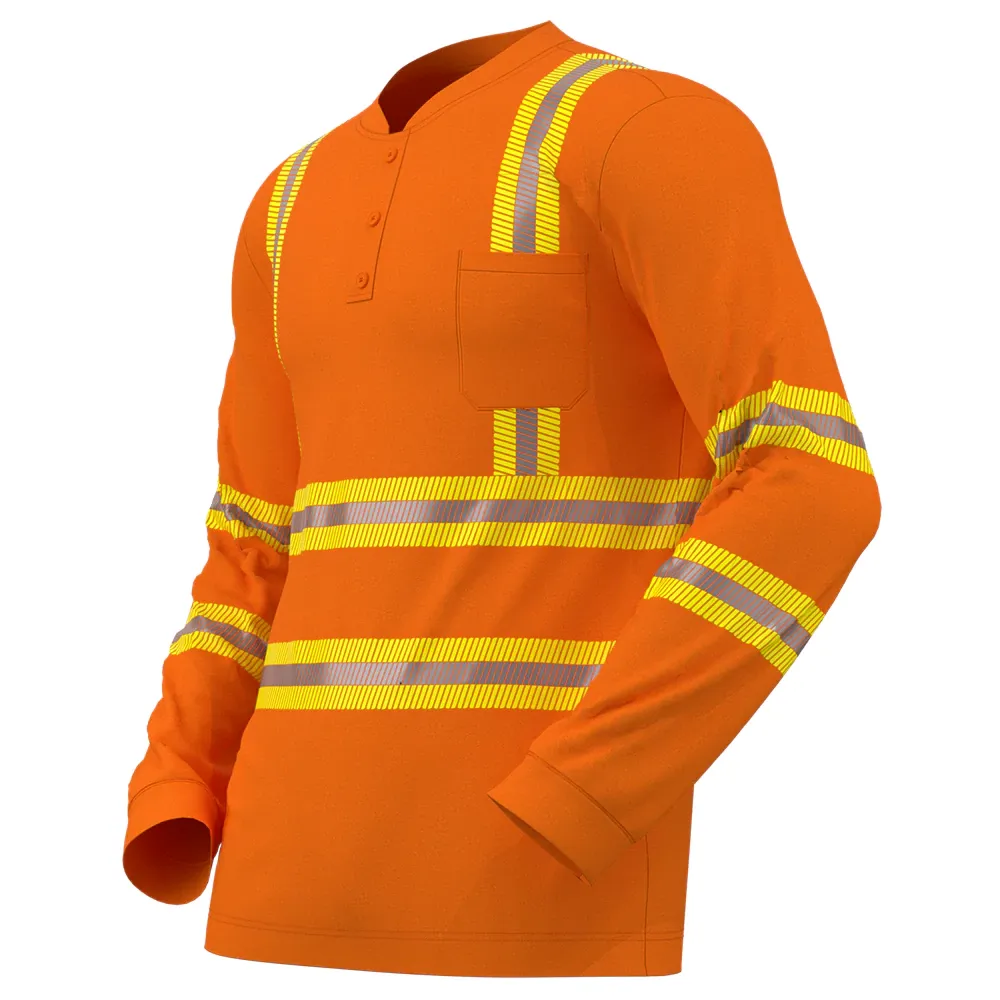
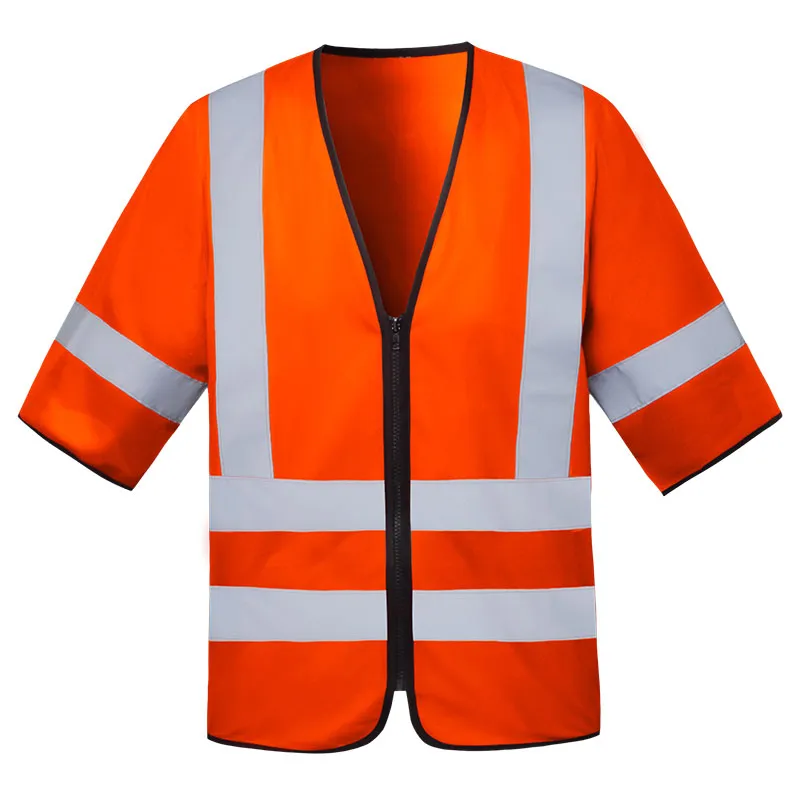
- High-visibility protective clothing
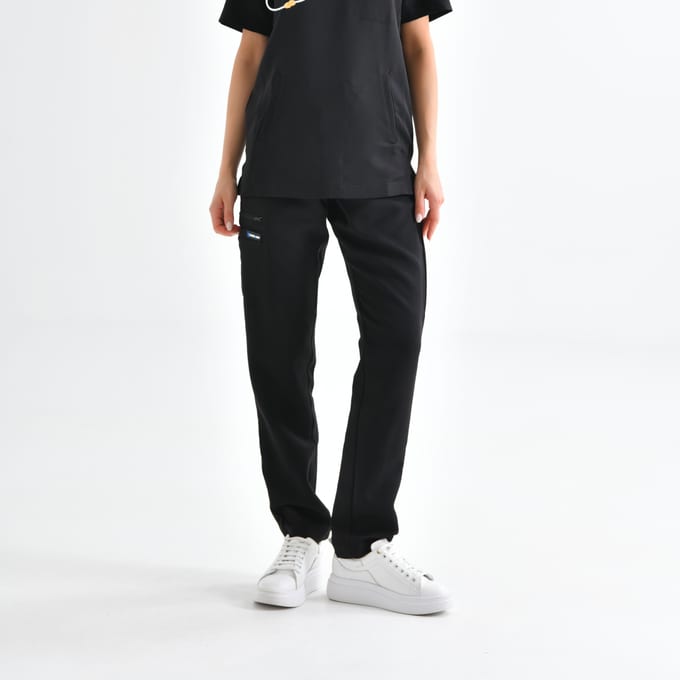
- Medical tunics, scrub pants, and lab coats
- Chef, hospitality, and hotel uniforms
- Private label collections
- Company-branded styles with print or embroidery
Everything is produced at TB Uniform's own facility in Istanbul. There's no branch office, warehouse, or pickup point in Germany or Austria; finished goods are exported from Turkey directly to the agreed delivery address.
How is the 100-unit minimum order calculated?
The 100-unit minimum applies to each color-and-style combination, not to the total project quantity.
An order of 100 navy work pants clears the floor in one line. Split that into 50 navy and 50 gray pairs, and you now have two color variants evaluated separately. A work pant and a work vest count as different styles too, even inside the same project.
| Order structure | How it's evaluated |
|---|---|
| 100 pants, 1 color | Base quantity met |
| 50 pants per color | Colors evaluated separately |
| 50 pants + 50 vests | Styles evaluated separately |
| 100 identical pants across sizes | Sizes can be freely distributed |
| 100 units with multiple department logos | Labeling and packing planned separately |
Women's, men's, and unisex cuts can each count as a distinct style. The exact breakdown gets confirmed before quoting, based on cut, fabric, and construction. How workwear minimum order quantity is calculated covers the math in more detail.
What does a comparable quote actually require?
A workable quote needs at minimum five inputs: a spec sheet, fabric code, quantity matrix, logo file, and delivery address.
A request that just says "500 work suits" isn't enough for a reliable quote. Without those five inputs, different suppliers will price against different fabrics, pockets, closures, or packaging, and the quotes stop being comparable.
| Quote field | Required input |
|---|---|
| Style | Pants, jacket, coverall, vest, or coat |
| Application | Task, environment, and relevant hazard |
| Fabric | Fiber composition, color, and finish |
| Sizes | Distribution against the manufacturer's size chart |
| Logo | File, dimensions, position, and application method |
| Packing | By size, department, or individual |
| Delivery | Country, address, and any split shipments |
Protective clothing needs to be scoped separately from general corporate wear. Hi-vis, heat and flame protection, or arc flash protection each call for their own product standards and documentation. A reflective strip on its own doesn't prove standards compliance.
How does sample approval work in 5 to 7 business days?
Once the technical details are confirmed, TB Uniform can turn around a sample for cut, fabric, logo, and labeling within 5 to 7 business days.
The sample becomes the reference point for the full production run, so checking color and silhouette alone isn't enough.
What to check on a sample:
- Style and fabric code
- Fit against the size chart
- Range of motion
- Pockets and closures
- Print or embroidery
- Care and brand labels
- Any change agreed to in writing
For a size test, ordering a full size run is usually worth it. Staff should be measured against the manufacturer's own size chart, since the same size label can mean different measurements across brands.
Any change to pockets, inseam length, sleeves, or logo placement belongs on the technical spec sheet. A verbal approval with no updated paperwork doesn't create a clear reference for the bulk run.
How is print and embroidery pricing calculated?
Logo costing depends on five separate variables: application method, dimensions, position, color buildup, and quantity.
Print and embroidery produce different surfaces and go through different production steps. A small chest logo, a large back print, and name personalization aren't three sizes of the same job. They're three different jobs.
Sampling a logo requires:
- A production-ready vector file
- Approved logo colors
- Width and height of the application
- Position on the garment
- Number of applications per unit
- A list of variable names or departments, if any
TB Uniform runs print and embroidery in-house. On hi-vis garments, the logo can't reduce the mandated area of fluorescent or retroreflective material below the required minimum. Embroidering a logo onto workwear covers this in more depth.
Which certifications matter for this kind of purchase?
OEKO-TEX, GOTS, REACH, and ISO 9001 cover four different testing or management areas, and none of them substitutes for another.
OEKO-TEX STANDARD 100 screens textiles for harmful substances. The certificate needs to actually cover the fabric or product group being quoted; a general mention isn't enough on its own.
GOTS sets ecological and social requirements for processing organic-fiber textiles. A supplier's general certification doesn't automatically mean every finished product falls within its scope.
REACH is the EU regulation governing registration, evaluation, authorization, and restriction of chemical substances. For shipments into Germany or Austria, the chemical supply chain needs to be checked against it directly.
ISO 9001:2015 sets requirements for a quality management system. It doesn't automatically prove a specific abrasion, wash, or protective performance for an individual garment. That needs its own testing.
Buyers should document the certificate number, validity period, scope, and its direct link to the quoted product before relying on it.
How long do production and delivery actually take?
Once samples, fabric, quantities, sizes, and logo are approved, production and delivery typically run 4 to 6 weeks.
The start date needs to be defined clearly in the quote. An order isn't fully released for production until the size list, logo file, and packing plan are all in hand. Miss any one of them and the timeline quietly slips.
| Approval | Effect on the schedule |
|---|---|
| Style | Sets the pattern and sewing sequence |
| Fabric | Closes out material planning |
| Color | Determines production variants |
| Sizes | Builds the cutting plan |
| Logo | Starts print or embroidery prep |
| Packing | Sets labeling and carton breakdown |
| Delivery address | Closes out export and shipping planning |
Monthly capacity can run up to 50,000 units depending on the product group. That figure doesn't replace a project-specific schedule check: multiple styles, colors, or delivery points change the production and shipping plan.
Should a company rent or buy workwear?
Buying tends to suit fixed styles and long-term use, while rental bundles ongoing garment care and replacement into a contract fee.
Under a rental model, a service provider typically supplies the clothing and can bundle washing, pickup, delivery, repair, or replacement into an ongoing contract. Mewa and SALESIANER are examples of this model in the German-speaking market.
Buying gives a company ownership of the garments and direct control over style, branding, and stock. Cleaning, reorders, repairs, and internal distribution then need to be organized in-house or contracted separately.
| Criterion | Buy | Rent |
|---|---|---|
| Ownership | Company owns the garments | Provider usually retains ownership |
| Upfront effort | Single procurement order | Contract plus ongoing fees |
| Cleaning | In-house or contracted separately | Can be bundled into the contract |
| Style control | Set directly at production | Limited to the rental range |
| Replacement | Company arranges replacement | Can be part of the contract |
| Commitment | No rental term | Check contract length and cancellation terms |
TB Uniform sells and manufactures workwear; it doesn't offer rental, laundry, pickup, or ongoing garment care. Renting vs. buying workwear runs through the full comparison.
How do you vet a wholesale workwear supplier reliably?
A supplier comparison should cover seven points: product range, minimum order quantity, sampling, documentation, sizing, delivery time, and reorders.
Unit price alone isn't comparable between suppliers unless fabric, logo application, certifications, and shipping scope match. A price comparison only becomes meaningful once every supplier is quoting against the same technical basis.
Before signing off, these documents should be in hand and consistent with each other:
- Technical spec sheet
- Approved physical sample
- Fabric and color reference
- Size and quantity matrix
- Logo and label files
- Certificates and supporting documentation
- Packing and delivery plan
TB Uniform manufactures in Istanbul and exports from there to Germany and Austria. For samples and a quote, contact TB Uniform directly.
Frequently Asked Questions
What's the minimum order quantity for wholesale workwear?
At TB Uniform, it's 100 units per color and style. Sizes can be freely distributed within the same color-style combination. Different colors, cuts, or products count as separate variants. Specialty fabrics and accessories can carry additional sourcing conditions, which get checked against the full quantity matrix before quoting.
Can workwear be ordered with a company logo?
Yes. Company logos can be applied by print or embroidery as part of the production process. This needs a vector file, approved colors, dimensions, position, and quantity. Names or department labels count as variable data and need a separate list. The application gets checked on a physical sample before the bulk run starts.
Where is the workwear manufactured?
Entirely at TB Uniform's facility in Istanbul, Turkey. There's no branch, warehouse, or pickup point in Germany or Austria. Sampling, cutting, sewing, printing, and embroidery all happen in Istanbul. After approval, the finished goods are exported to the agreed address in Germany or Austria.
How long does a sample take?
Once style, fabric, color, cut, and logo are confirmed, a sample typically takes 5 to 7 business days. Check fit, range of motion, pockets, closures, print or embroidery, and labels. Changes belong on the technical spec sheet so it's clear which sample version serves as the bulk-production reference.
How long do production and delivery take?
After written approval of samples, quantities, sizes, fabric, color, logo, and packing, production and delivery typically run 4 to 6 weeks. The exact schedule depends on product group, variants, materials, and delivery points. The quote should state when the clock starts and whether it covers arrival at the agreed address.
Does TB Uniform offer rental or laundry service?
No. TB Uniform manufactures and sells workwear but doesn't offer rental, laundry, pickup, or ongoing garment care. Companies that need a full textile service should compare rental providers on contract length, wash procedures, repair, replacement, and delivery intervals. With a purchase, the owner organizes those tasks in-house or through a separate provider.
Alt Text Recommendations
- Work pants, jackets, and vests from a bulk order of 100 units per color and style
- Inspecting a workwear sample for fabric, pockets, zipper, and company embroidery
- Workwear packed for export to Germany and Austria from the Istanbul facility
- Comparing buying and renting workwear across cleaning, replacement, and contract terms