What Does the Order File Need for Contract Manufacturing Uniforms?
Contract manufacturing uniforms means the buyer sets the pattern, color, labeling, and branding, and the factory builds to that file. At TB Uniform, the minimum is 100 units per color and model, sampling takes 5-7 business days, and confirmed orders ship in 4-6 weeks.
A private label or contract-manufacturing project runs on paper before it runs on a cutting table. TB Uniform, a workwear and medical-uniform manufacturer based in Istanbul, builds scrubs and uniforms to a buyer's own specification: custom patterns, custom colors, and details set by the brand rather than picked from a catalog. Sourcing teams that just need stock program uniforms without customization can typically move faster through the standard wholesale medical uniform or wholesale workwear process instead.
Contract manufacturing vs. buying off a catalog
Ordering from an existing catalog is a selection exercise: the buyer picks a model and color from what already exists. Contract manufacturing is a build exercise. The pattern, colorway, corporate details, and brand labels all get created or adjusted to a specific file, which means more upfront development work and more approval rounds before cutting starts.
What the buyer gains in exchange is control over a look that doesn't exist on any shelf. That trade-off is worth making when the program needs a distinct silhouette, a brand color that isn't standard, or private labeling that a stock supplier can't offer.
What has to be in the technical file?
A sketch alone isn't a workable production file. A garment gets built to measurable specifications, not to a drawing that leaves room for interpretation. The file needs a front and back flat, a measurement chart, fabric expectations, and a color reference at minimum. Pockets, zippers, collars, cuffs, and side vents each need their own placement and dimension callouts rather than a general description.
For any branding, the logo artwork, label copy, and packaging expectations travel separately from the garment spec. Care-label content and symbols have to match the actual fabric and its actual care requirements. Copying wording from a similar product, or leaving it unverified, is how labels end up wrong on finished goods.
At minimum, the technical file should track four record types:
- product name and revision number
- fabric and color reference
- measurement chart and size breakdown
- label, logo, packaging, and approval details
How does the 100-unit minimum work per color and model?
TB Uniform's standard minimum for contract manufacturing is 100 units per color and model. That threshold applies per line item, not per collection. A brand adding several products to one order doesn't automatically clear the minimum on each one just because the total order is large.
Two colorways of the same scrub top, say navy and green, count as separate color line items. A V-neck top and a zip-front top on the same base pattern count as separate models. Sizes can be split across a size chart within the total quantity for a given color and model, but the color and model line itself still needs to clear 100 units.
Before expanding a collection with more colors or styles, check the target quantity for each individual line. Spreading a modest total across too many variants makes it harder for any single one to reach the minimum. Building a private label product matrix up front tends to simplify that math for multi-item collections.
What gets approved during sampling?
Sampling takes 5-7 business days once the technical specifications are locked. The first sample exists to let the buyer physically evaluate the pattern before bulk production starts. Fit, measurements, fabric hand, and stitch details all get checked against the tech pack at this stage. If the order includes a brand label, size label, care label, or logo, the exact text, dimensions, color, and placement get reviewed too, not just the garment itself.
Every sample revision should carry its own version number. Vague file names like "final" invite an outdated pattern to slip into production by mistake; a dated revision code doesn't. Sample sign-off is best documented with product photos and a signed technical record. The wholesale sample request guide walks through what that checklist typically covers.
How are printing, embroidery, and brand labels handled?
TB Uniform runs printing and embroidery in-house, and the application method gets chosen based on the fabric, the logo's level of detail, the target size, and care requirements rather than applied by default. Thread color and stitch density get approved on the sample for embroidery; color and surface finish get approved on the sample for print. Brand-label and care-label size, fold, and stitch placement all belong in the technical file, not left to the sewing floor's discretion.
Private label means the finished product carries a different company's brand name. It does not mean the manufacturer has verified that brand's trademark or design rights on the buyer's behalf. The buyer is responsible for holding the rights to the name, logo, and design files it supplies for production.
How do certifications carry over to a contract-manufactured product?
OEKO-TEX STANDARD 100 evaluates textile components for harmful substances. ISO 9001 defines quality management system requirements. GOTS sets rules for processing and the supply chain of organic textiles, and the European Commission's REACH overview explains the EU framework for chemical registration and risk management.
A manufacturer holding a given certificate does not mean every contract-manufactured product automatically carries that mark. If a certification logo is going on the product itself, the specific program's scope and marking rules need separate verification. Never assume a certificate number or scope without confirming it.
How is the production and delivery timeline built?
Production and delivery run 4-6 weeks from order confirmation. Confirmation means the final sample, quantities, size breakdown, and brand applications are all locked. The clock doesn't start until every one of those pieces is signed off.
Monthly capacity runs up to 50,000 units depending on product type, but that ceiling isn't an automatic delivery promise for any single order. The actual production plan gets built around the specific product group and the confirmed order mix.
If packaging, carton marking, or size-level separation is required, that needs to be flagged before production starts, not after. TB Uniform's standard profile doesn't specify a fixed shipping method, Incoterms, or warehousing service, so none of those should be assumed without a quote that spells them out.
For samples and pricing, request a quote directly.
Frequently asked questions
What's the minimum order for contract manufacturing uniforms?
The minimum is 100 units per color and model. Different colors or collar styles each count as their own production line item. Sizes can be distributed across the total quantity for a given color and model based on the approved size chart, but a collection plan should check each variant's target quantity before the product count grows.
How long does sampling take?
Once the model, fabric, color, and branding are locked, sampling takes 5-7 business days. The first sample gets checked for pattern, measurements, stitch details, and label placement. Any revision should carry its own version number, and bulk production starts only after the final sample gets written sign-off.
Can this be done as private label?
Yes. Private label and contract manufacturing run together, with brand labels, logos, care labels, and custom pattern details all built to the technical file. The buyer is responsible for the rights to the brand name and design files it supplies. Certification marks only go on a product after the relevant program's scope and usage rules are confirmed.
Is printing and embroidery included?
Yes, printing and embroidery are done in-house. The application method for a logo is chosen based on fabric, size, line detail, and care requirements. Thread or print color and placement get approved on a physical sample, and no wash-durability or lifespan claim is made without that basis.
How long does production and delivery take?
Production and delivery run 4-6 weeks from order confirmation, meaning the final sample, quantities, size breakdown, labels, and logo details are all locked. Packaging or model changes added afterward can affect the start date. A firm delivery plan should be put in writing based on the confirmed order mix.
Recommended image alt text
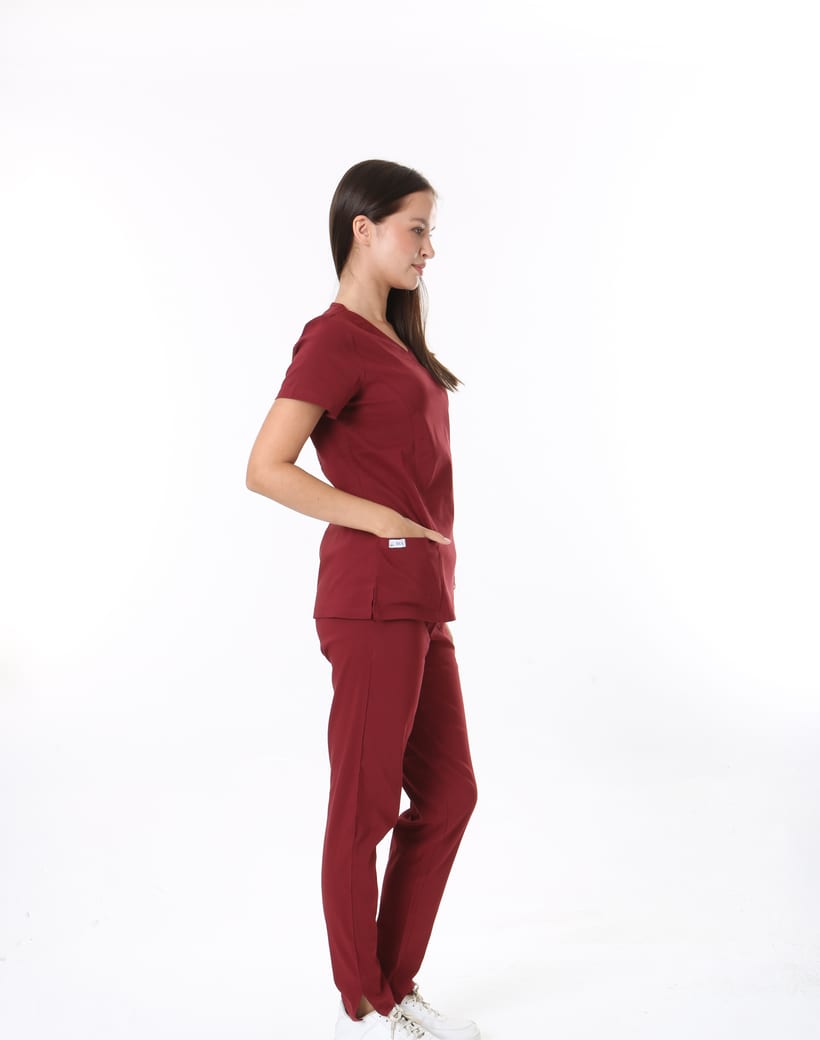
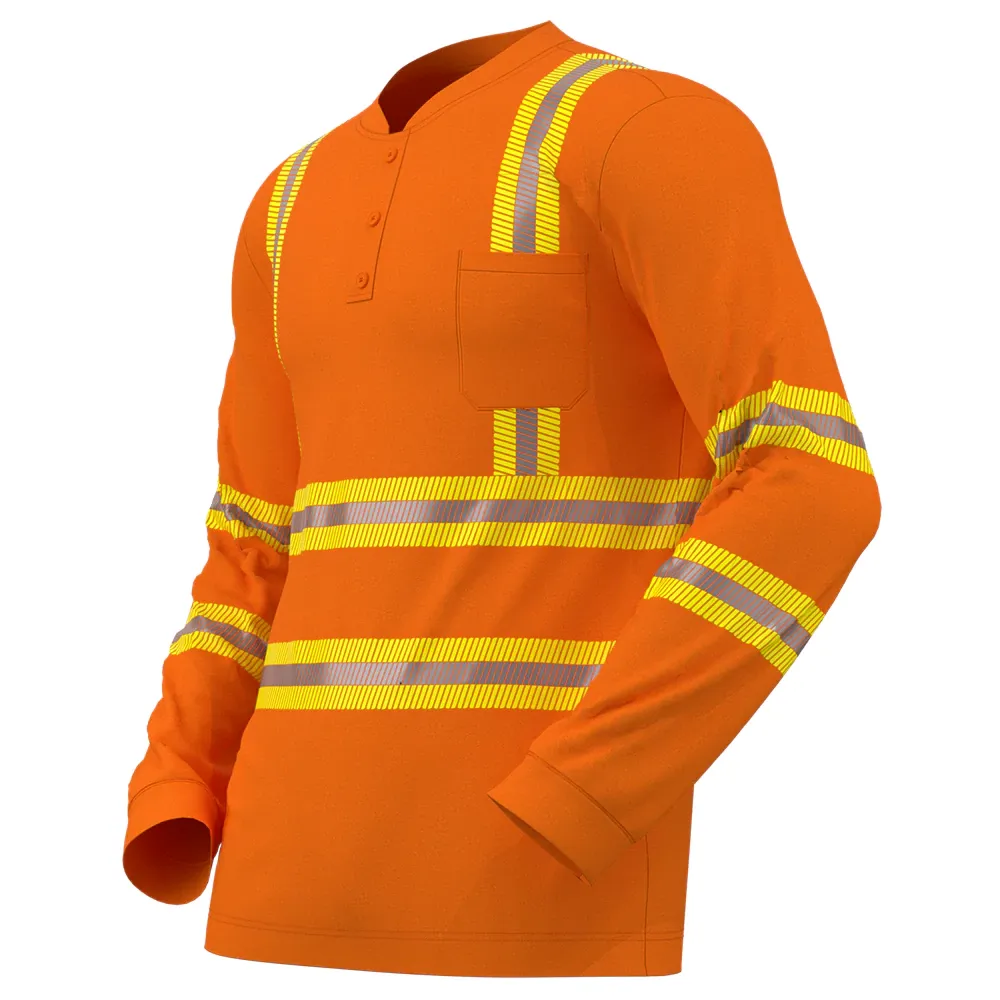
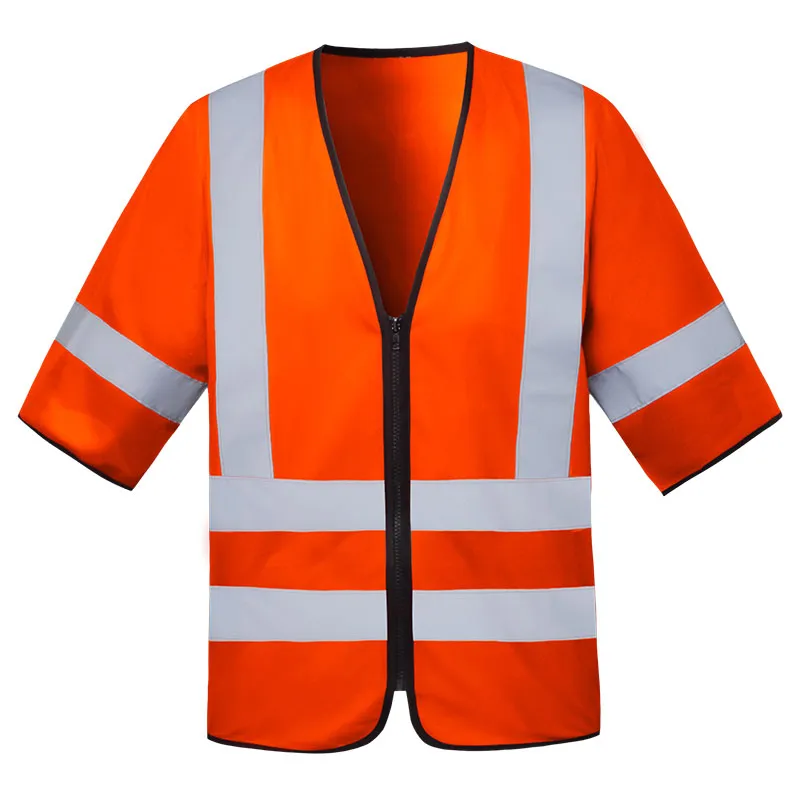
- Technical file page showing measurement and pattern details for contract manufacturing uniforms
- Private label uniform sample with brand and care label placement shown
- Approved contract-manufactured uniform samples with printing and embroidery applications