How Do You Request and Approve a Wholesale Uniform Sample?
A sample is only as reliable as the paperwork behind it. Send an incomplete brief, and the workshop is left guessing at fit, fabric, or trim. Every guess shows up later as a revision. TB Uniform's standard sample build runs 5-7 business days once the required inputs are locked in, and approved bulk orders generally ship in 4-6 weeks from written sign-off.
What Should a Sample Request File Include?
A complete request covers at least 10 fields: garment, technical drawing, measurements, fabric, color, quantity, size run, logo, labeling, and delivery point.
"Similar to what we had before" or "relaxed fit" are not specifications a cutting room can work from. Front and back views, pocket and closure detail, and a finished-measurement chart need to be in writing for every garment. Skip that step and the sample reflects an assumption, not your intent.
TB Uniform produces custom patterns, colors, styles, and private-label runs in-house. State your target order volume up front: the minimum is 100 units per color and style. How your size run divides across that minimum is something to confirm at the quoting stage, project by project.
How Should the Tech Pack and Measurement Chart Be Built?
The measurement chart should define at least 6 points: chest, waist, hip, garment length, sleeve, and any relevant sub-component measurement.
Every figure on the chart needs to be labeled as either a body measurement or a finished-garment measurement. Leave that ambiguous and both sides end up reading the same number two different ways. Mark each measurement point on the drawing itself, with a stated tolerance.
When the sample arrives, re-measure it using the identical method used to spec it. Mixing measurement techniques between buyer and manufacturer is one of the most common sources of avoidable revision rounds. For healthcare garments, the hospital staff uniform supplier checklist walks through a comparable style-by-style measurement table.
Is a Fabric Swatch the Same as a Garment Sample?
Fabric cuttings and finished-garment samples confirm two separate decisions: material selection, and pattern-and-construction approval.
A swatch is enough to judge color, hand, weight, and weave. It tells you nothing about movement, seam quality, pocket function, closures, or how the logo actually sits. That's what the finished sample is for.
The sample card should list fiber composition, weight (GSM), and a mill reference. A fabric name alone isn't a specification: two fabrics with an identical fiber ratio can still behave differently in hand and care.
What Does Color Approval Actually Require?
Bulk-production color should be verified against at least 2 physical references: the approved fabric swatch and the color record pulled from the production lot.
A screen or a printout doesn't reliably reproduce a fabric's physical color. Lighting, surface texture, and yarn structure all shift perception. Keep the physical cutting the buyer approved, along with its product code and approval date.
If color consistency across multiple production lots matters to you, put the acceptance method and comparison conditions in the order file in writing. The same color name across different fabric constructions doesn't guarantee an exact match.
How Do You Check Fit and Range of Motion?
A proper fit trial covers at least 6 movements: walking, sitting, bending, squatting, reaching, and using the task's equipment.
A size label is not a measurement standard. Have the wearer try the sample with whatever base layer, footwear, or equipment they'll actually use on shift, then check pocket access, collar clearance, and sleeve movement against the real task, not a mirror.
For factory environments, the bulk factory staff uniform guide covers movement and equipment compatibility in more depth. For kitchen garments, heat, motion, and care trade-offs are covered in the wholesale chef uniform guide.
What Should a Logo Sample Verify?
Logo approval needs 4 data points: centimeter measurement, placement, color, and print or embroidery technique.
TB Uniform runs printing and embroidery in-house, so a logo can be trialed directly on the actual production fabric. Dense embroidery can pucker lightweight fabric, and a large print area can change hand-feel and breathability. Catch both at sample stage, not after 500 units ship.
If employee names or department text will be embroidered, get the spelling list approved separately. For placement-specific detail, see the custom embroidered workwear guide.
What Should a Wash Test Record?
A wash comparison should log at least 4 data points: process conditions, starting measurements, final measurements, and any change in appearance.
Measure and photograph the sample before it's washed. Record wash temperature, cycle, detergent, drying method, and number of cycles. Then take the final measurement from the exact same points.
ISO 6330 defines the international test method for domestic washing and drying procedures used on textiles. Hospital or industrial laundries often run different conditions, so the facility's actual protocol should be trialed separately. Care-label symbols should follow ISO 3758 and reflect care instructions verified against the chosen fabric, not a generic label pulled from a template.
How Should Sample Revisions Be Tracked?
A revision log needs at least 4 fields: version number, date, change description, and approving party.
Verbal corrections don't create a record you can build production on. Every change should be marked on the measurement chart, the drawing, or the logo sheet, with a single version clearly identified as current. That way an outdated file doesn't get pulled by mistake.
Sample approval shouldn't stop at "looks good." The approved style, fabric, color, size, logo, and label references all belong in the same document.
How Do Certificates and Test Reports Match Up to a Sample?
Document checks should compare at least 4 fields: product code, material, document scope, and validity date.
OEKO-TEX STANDARD 100 evaluates textile components against a defined list of harmful substances. Confirm that the fabric or trim actually used in the sample falls within that certificate's stated scope.
ISO 2859-1 defines sampling procedures for lot acceptance by attributes. A single development sample never substitutes for an acceptance inspection covering the full production lot; the acceptance plan and inspection level should be set based on the order's risk profile.
What Happens After Sample Approval?
Once sample approval is in writing, production and delivery generally take 4-6 weeks with TB Uniform.
TB Uniform's production capacity can reach up to 50,000 units a month depending on the product category. That figure isn't reserved capacity for any single order; fabric availability, garment complexity, and the current order mix all affect the actual delivery date.
During bulk production, the approved sample, tech pack, and revision log are the shared reference. Inspection should check measurements, color, logo, stitching, labels, and packaging against that same reference set, with nothing new introduced mid-run.
Frequently Asked Questions About Wholesale Uniform Samples
These 6 answers cover timing, cost, sizing, washing, revisions, and how to move to bulk approval.
How many business days does a sample take?
TB Uniform's standard sample build is 5-7 business days once the required technical information is locked in. Missing measurements, an undecided fabric, an incomplete logo file, or unresolved label copy can all push that timeline back. Shipping time and any buyer-requested revisions are planned separately from the 5-7 day build window.
Is the sample free?
Whether a sample fee applies isn't stated in TB Uniform's general terms. Pattern development, specialty fabric, embroidery programming, shipping, and revisions can all affect cost. Confirm the sample fee, any credit-toward-order terms, and shipping responsibility in a written quote before work begins.
Can I request samples in multiple sizes?
Multiple size samples can be scoped into a project, though each size may require new material, pattern grading, or labor. Best practice is to verify fit and movement on the base size first, then confirm critical measurement points across the size run using selected samples rather than the full range.
Does the sample have to be washed?
If care performance matters to the purchase decision, yes. Wash it using the defined process and record temperature, cycle, detergent, drying method, and number of repetitions. Take before-and-after measurements from identical points, and compare color, seam integrity, and logo appearance.
How many revision rounds are included?
TB Uniform's general terms don't state a fixed revision count. Revision needs depend on how clear the original tech pack was and on what the buyer changes along the way. Requested corrections should be consolidated into a single list per round, with a new version number issued as the measurement chart, drawing, logo, and label files are updated together.
How do you actually request a wholesale uniform sample?
Share garment drawings, a finished-measurement chart, fabric and color expectations, target quantity, a size plan, logo artwork, labeling, delivery point, and a target date. Reach out to TB Uniform with that tech pack to move into sampling and pricing; fees and shipping terms are confirmed separately.
Recommended Image Alt Text
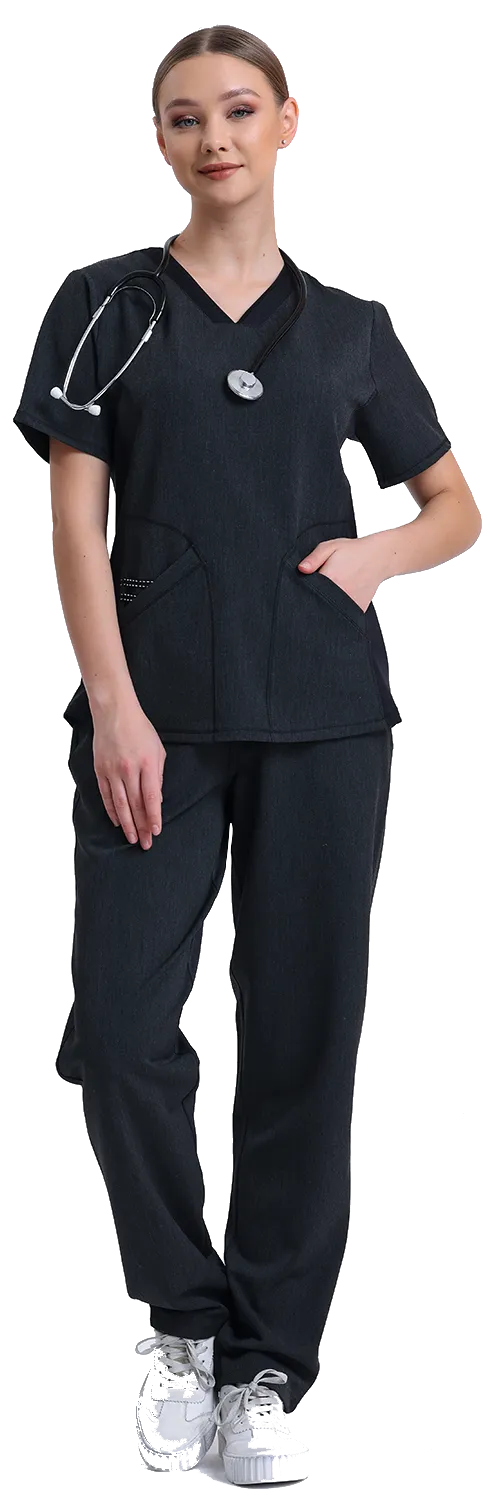
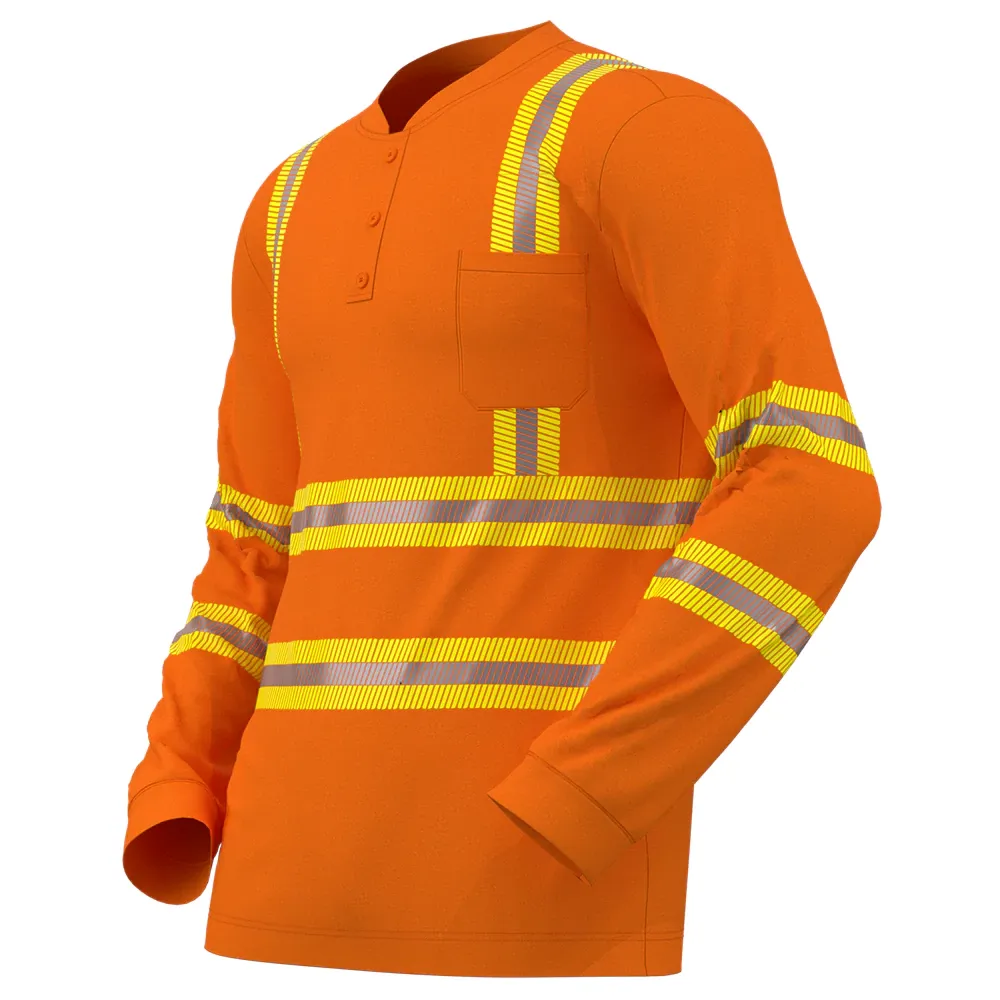
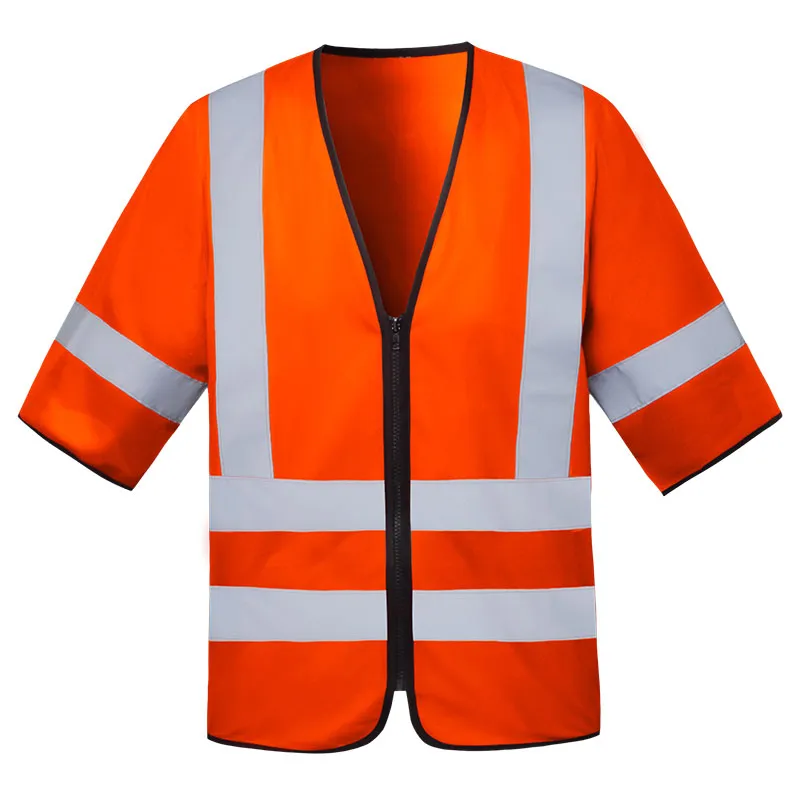
- Wholesale uniform development sample marked with fabric, color, pocket, and logo detail
- Uniform fit sample checked against a finished-measurement chart for chest, waist, sleeve, and garment length
- Embroidered workwear compared before and after washing for measurement and logo appearance
- Bulk-production reference sample labeled with version number, change log, and approval date