How to Source Bulk Factory Staff Uniforms
Bulk factory staff uniforms only work when every job group gets its own definition: garment style, fabric, pocket layout, visibility, size range, and care requirements. TB Uniform's minimum order is 100 pieces per color and style. Once the technical file is locked, a sample takes 5 to 7 business days; approved production and delivery generally run 4 to 6 weeks.
How do you plan a bulk factory uniform order?
A factory order sheet needs at least eight fields: department, role, style, color, size, quantity, logo, and delivery point.
Production, maintenance, warehouse, quality control, and administrative staff may share one facility, but their clothing needs rarely match. A daily-wear uniform and protective clothing built against a specific hazard belong in different product categories. Don't fold them into one line item.
Treat every jacket, pant, coverall, vest, and shirt as its own style. The minimum is 100 pieces per color and style, so get the size run and any fabric options confirmed in writing against that number before the project starts.
What task data determines the right garment features?
Garment selection should rest on at least four inputs: movement pattern, ambient temperature, contamination type, and equipment contact.
Roles that involve crouching need mesh construction and knee mobility built in. Staff working next to machinery can't wear loose components that catch. Pocket placement has to clear the tools employees carry and any machine guarding they work around.
Standard workwear does not substitute for personal protective equipment identified through a workplace risk assessment. In the US, OSHA's PPE standard puts that responsibility on the employer: assess the hazard, then select equipment that addresses it. TB Uniform manufactures in Istanbul under Turkey's own occupational-safety framework. The Turkish Ministry of Labor's PPE guidance describes that framework for readers checking the factory's compliance context, but it doesn't determine what your own workplace needs. Confirm the actual PPE decision with your safety officer.
How should you choose factory workwear fabric?
A fabric spec needs at least four measurable data points: fiber ratio, weight, shrinkage, and colorfastness.
For high-wear roles, weigh fabric construction and seam reinforcement together. A strong fabric with weak stitching still fails early. In hot environments, a low gsm number alone isn't enough; check breathability, how the fabric takes decoration, and the intended care process too.
Departments handling oil, metal dust, or other soiling may lean toward darker colors, but visible-dirt tolerance still has to match how the facility actually inspects for cleanliness. Base the fabric decision on an approval sample and a wash trial, not a swatch card.
How do you separate daily uniforms from protective workwear?
A reflective strip or heavy fabric alone doesn't prove a garment meets any protective standard.
If the program needs high-visibility, flame, arc, chemical, cut, or rain protection, name the hazard and the applicable product standard explicitly. Don't leave it implied. Design changes, including decoration, can affect a certified garment's performance.
For readers evaluating a Turkish supplier's certification process, the Turkish Standards Institution's PPE page explains the national conformity-assessment framework; it doesn't replace the certification requirements that apply at your own workplace. For selecting reflective product classes, see the high-visibility vest class guide.
How should size and fit samples be approved?
Fit review should cover at least six movements: walking, sitting, bending, crouching, reaching, and stair climbing.
An S, M, or L label is not a technical measurement. Chest, waist, hip, garment length, sleeve, and inseam need to be defined per style. Garments worn with work boots, a base layer, or a safety harness should be trialed with that equipment on.
TB Uniform's standard sample lead time is 5 to 7 business days once the required technical information is locked. Fit and movement review can run through the intake structure on the wholesale uniform sample request page.
How should logos and department markings be applied?
Logo approval needs four data points: measurement in centimeters, placement, color reference, and decoration technique.
TB Uniform runs printing and embroidery in-house. Dense embroidery can pucker lightweight fabric; a large print area can affect breathability. Test decoration on the actual production fabric, including a wash cycle, before signing off.
If department names, employee names, or shift colors are involved, one owner should verify the data file. Embroidery-file and placement control is covered in more detail in the custom-embroidered workwear guide.
What do OEKO-TEX and other certifications actually confirm?
Certificate verification should cover four fields: holder, scope, validity, and how it connects to the material you selected.
OEKO-TEX STANDARD 100 screens textile components for defined harmful substances. On its own, it doesn't confirm abrasion resistance, a hi-vis class, or flame protection.
ISO 9001 relates to a quality management system. GOTS relates to certified processing of organic fibers. REACH is the EU's chemical-substances regulation. Any claim made in TB Uniform's name should be checked against a current certificate and the specific product scope it covers.
How should production and delivery be monitored?
After approval, production and delivery generally take 4 to 6 weeks; sample revisions need to close out before that clock starts.
TB Uniform manufactures in Istanbul and can reach capacity of up to 50,000 pieces a month depending on the product group. That figure isn't reserved capacity per order: material availability, model variety, and the order mix all affect the confirmed schedule.
If delivery ships as department or shift packages, carton labels need product code, color, size, and quantity. At receiving, check incoming goods against the approved sample, size chart, and logo placement.
Frequently Asked Questions
What is the minimum order quantity?
TB Uniform's minimum order is 100 pieces per color and style. A jacket, pant, vest, or coverall counts as a separate style. Before you request a quote, confirm how sizes divide inside that quantity and whether department colors need their own order block.
How many business days does a sample take?
Once technical drawing, size chart, fabric, color, pocket, and logo details are locked, the standard sample takes 5 to 7 business days. Shipping time and any revisions the buyer requests run separately from that window. Approve the sample that will serve as the production reference with a date and version number.
Can different sizes go into the same order?
Yes, a size run can be built for one order; how the 100-piece-per-color-and-style minimum applies across those sizes still needs project-level confirmation. For styles worn with work boots or protective equipment, fit trials should use the actual work layers.
Can a logo be embroidered or printed?
Yes. TB Uniform handles printing and embroidery in-house. The buyer supplies the logo file, size, placement, and color reference. Confirm at the sample stage that the application doesn't pucker the fabric, holds up through the care process, and doesn't compromise a protective garment's certified scope.
Is factory workwear personal protective equipment?
Not automatically. A standard uniform can be built purely for employee identification or daily wear. For any garment claiming protection against a specific hazard, review the risk assessment, applicable standard, conformity certificate, product label, and instructions for use separately, and confirm with your safety officer.
How do you request a quote for factory workwear?
Share your department and role list, style drawings, color and size quantities, fabric requirements, logo file, protection requirements, delivery point, and target date. You can request a sample and quote from TB Uniform using that technical file. Commercial terms should be confirmed in a written offer.
Alt Texts
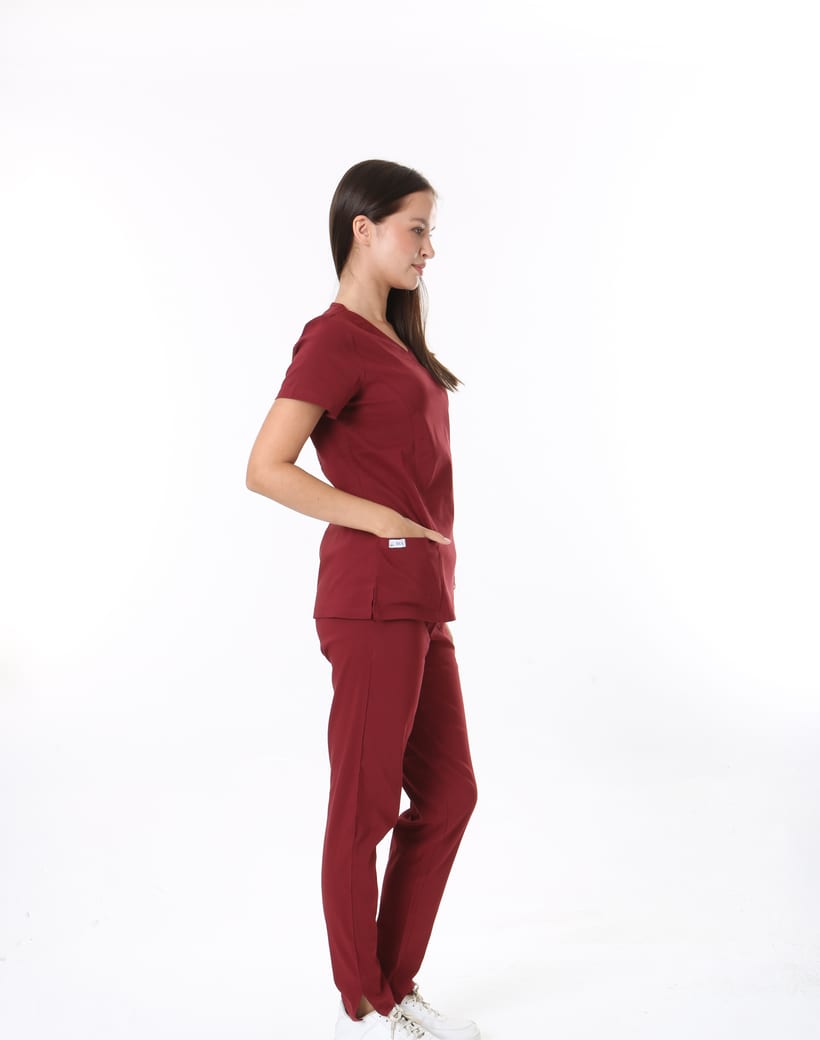
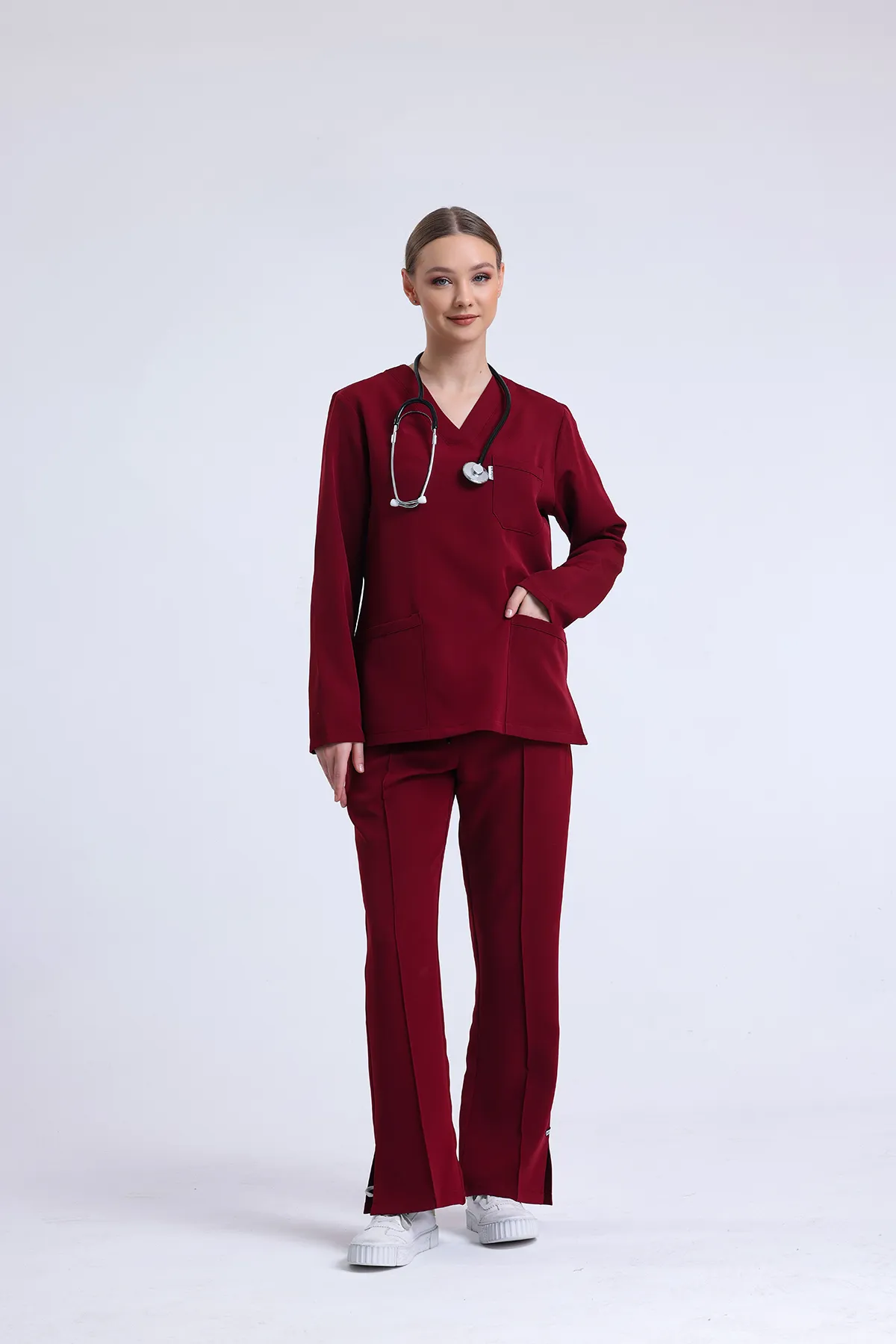
- Factory staff uniform styles prepared for production, maintenance, warehouse, and quality control teams
- Employee fitting a work jacket and pant during a size and movement sample
- Factory work jacket with department name and company logo applied by embroidery
- Bulk factory workwear cartons labeled by product code, color, size, and department