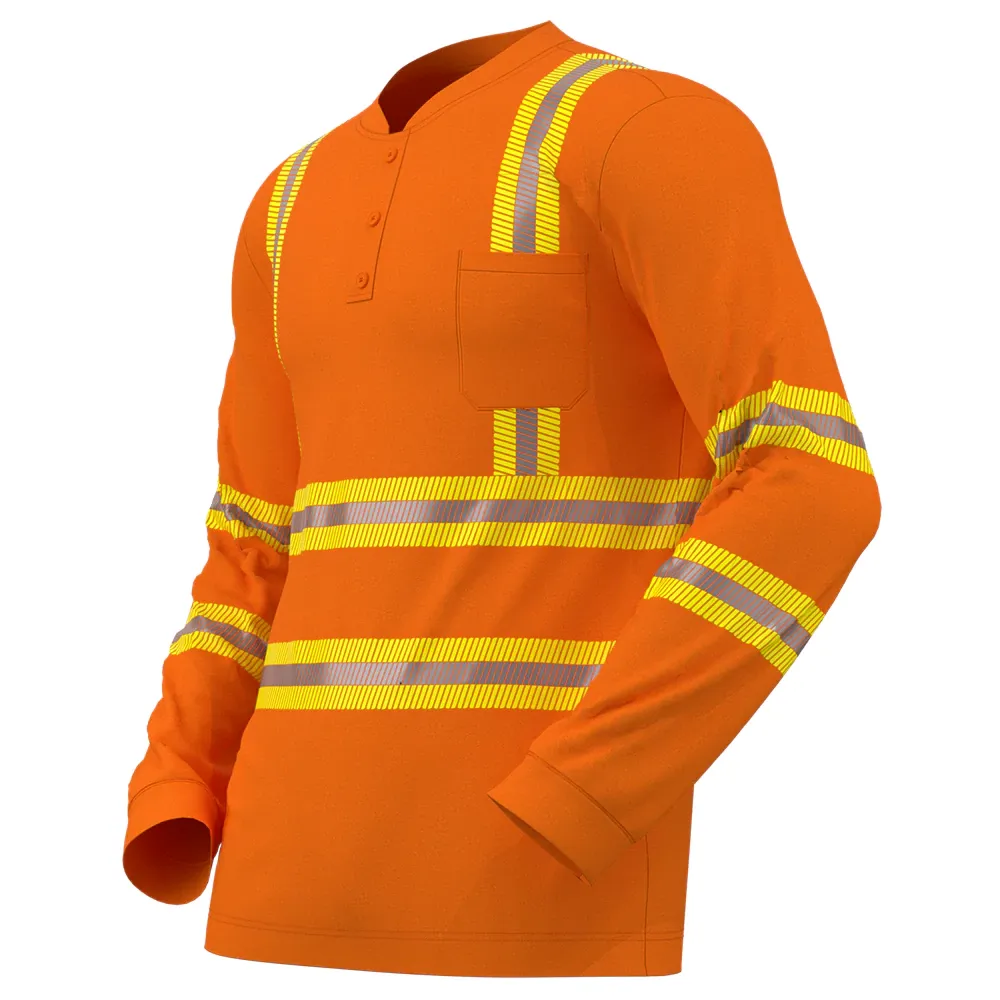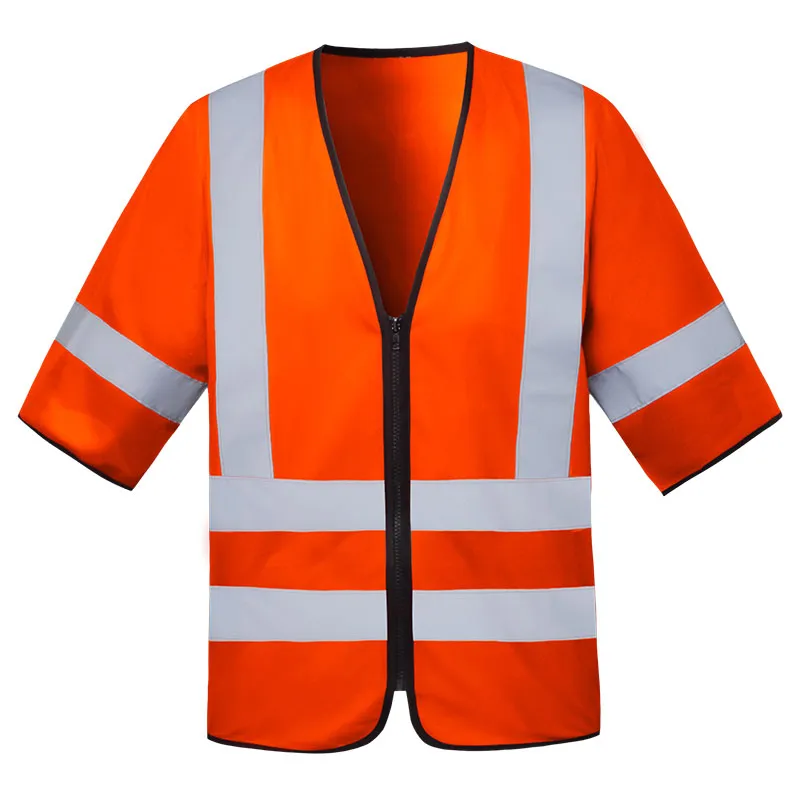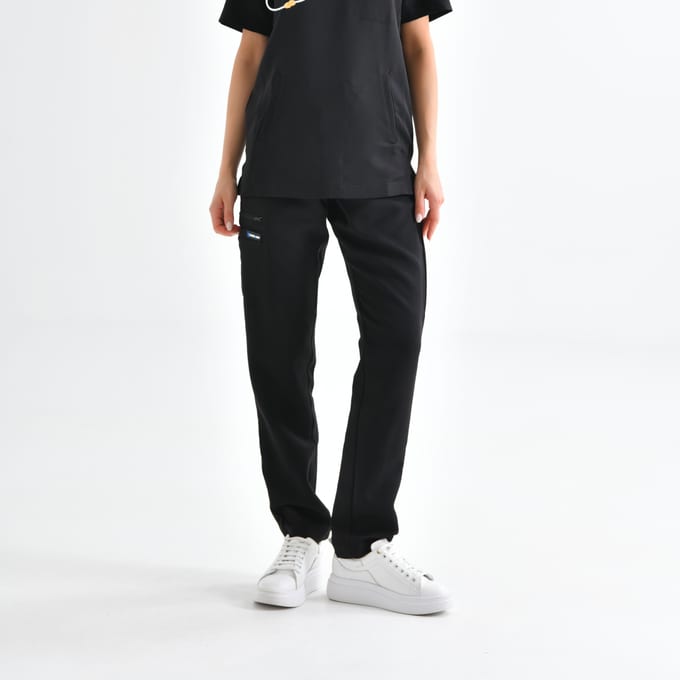
How Do You Order Custom Embroidered Workwear?
Embroidery on company workwear should never be treated as an add-on ordered after the garment spec is locked. Model, fabric, logo file, embroidery size, placement, thread color, and per-size quantities all belong in the same written order file, because pocket position, fabric weight, lining, and stitch construction all shape how the embroidery turns out. TB Uniform's minimum order is 100 pieces per color and model. A sample takes 5–7 business days, and approved production plus delivery generally runs 4–6 weeks.
What Belongs in a Custom Embroidered Workwear Order File?
A complete order file needs at least eight data points: model, fabric, color, size, quantity, logo, embroidery placement, and delivery point.
Treating embroidery as separate from garment manufacturing is where specs fall apart. Fabric weight, pocket position, lining, seam type, and care method all interact with how a stitched logo sits and holds up. Logo placement has to be defined per model, since the same artwork reads differently on a jacket than on a coverall or a light shirt.
TB Uniform runs printing and embroidery in-house and supports custom patterns, colors, models, and private-label production. The minimum order is 100 pieces per color and model, and using the same logo across several colors does not pool those minimums; each color is still its own production block.
For department-level planning across a workforce, see the factory staff workwear guide.
Which Logo File Does Embroidery Actually Need?
Digitizing needs four inputs at minimum: an authorized logo file, dimensions in centimeters, a color reference, and a placement drawing.
Vector artwork is the right starting point because it preserves the logo's lines and proportions. That said, a print-ready vector isn't something an embroidery machine can run directly. It has to be digitized into a stitch file that defines direction and density.
Very fine text, tight gaps, and small icons sometimes don't hold up at the size requested. When that happens, the manufacturer may suggest simplification, but nothing gets applied without the brand owner's written sign-off. Companies building out a full corporate color-and-model system can start with the corporate identity uniform design guide.
How Should Logo Size and Placement Be Locked Down?
Left chest, right chest, sleeve, back, and collar all read differently depending on the garment. Placement should be measured in centimeters from fixed references (a shoulder seam, center front, pocket edge, or sleeve seam), not described as "above the pocket" or "on the left side."
Stitching directly on or just above a pocket can interfere with how the pocket gets used. A large back logo can stiffen lightweight fabric noticeably. If employee names or job titles are part of the design, the spelling, font, size, and line layout need their own written approval separate from the logo sign-off.
How Does Stitch Density Affect the Fabric?
Dense stitching pulls on thin or stretchy fabric and can leave a slight pucker. Backing material holds the embroidery's shape, but it has to stay comfortable against skin where it contacts the body. Thread and backing choices should be tested on the actual production fabric, not evaluated from a screen mockup.
OEKO-TEX's STANDARD 100 buying guide explains that components such as thread, print, and accessories need to be assessed within a textile product's certified scope, not assumed to be covered by default. If a certification claim matters to your order, verify separately that the embroidery thread and any other added components fall inside that scope.
How Should Thread Color Get Approved?
Screen color and the physical appearance of a thread rarely match exactly. Fabric base color, lighting, and stitch direction all shift how a color reads, so a corporate color spec should never rest on a word like "navy" or "red" alone.
An approval card should record the thread code, logo dimensions, the stitch program's version, and placement details. Approval itself should rest on two physical references: the selected thread card and an actual stitched sample on production fabric. The same digitized program can behave differently on different fabrics, so each model gets its own color approval.
How Should Sampling and Wash Testing Work?
TB Uniform's standard sample lead time is 5–7 business days once the required technical and logo inputs are locked in. Embroidery's centimeter measurements and on-garment position should be checked against the physical sample, not the approval drawing. A thorough review covers seven points: measurement, position, color, legibility, shrinkage, backside feel, and post-wash appearance.
Wash testing should check thread color retention, fabric shrinkage, any puckering around the embroidery, and how the backing holds up. ISO 3758 defines the international standard for the symbols used on textile care labels, but the actual care instructions for a garment still need to come from fabric and application testing, not from the standard alone.
Sample intake and documentation are covered in the wholesale uniform sample request guide.
Can Protective Workwear Carry Embroidery?
Standard corporate embroidery methods don't transfer directly to garments certified for flame, high-visibility, chemical, or arc-flash protection. Thread type, backing material, and needle perforations can all affect how a protective garment performs, and a logo change on a certified piece can touch material behavior, seam structure, exposed surface area, and certification scope all at once.
Embroidery on protective workwear should only proceed with the garment's technical file, its certificate scope, and written sign-off from the authorized certifying party. Review the PPE workwear buying guide and loop in your safety officer before committing to a design change.
How Should Labels and Brand Information Be Handled?
The EU's Regulation (EU) No 1007/2011 sets the framework for fiber names and fiber-composition labeling on textile products sold in the EU. If your embroidered workwear ships into EU markets, language and responsible-party requirements need separate confirmation for that destination. A product label needs to accurately show at least four items: fiber composition, care instructions, size, and the responsible brand.
TB Uniform can produce under private label, but authorization to use the brand owner's logo, trade name, and label text has to come from the buyer. Product labels and any packaging text should carry the same version as what's in the order file.
What Determines MOQ and Delivery Timing?
TB Uniform's minimum order is 100 pieces per color and model, and approved production plus delivery generally takes 4–6 weeks. A model or fabric change can create a separate production block even when the embroidery program stays identical, and how size distribution applies within a 100-piece minimum needs project-level confirmation.
Production capacity can reach up to 50,000 pieces per month depending on the product category. Exact timing depends on fabric availability, embroidery density, personalization volume, and order mix. Send drawings, a measurement chart, color and size quantities, and the logo file through the quote request page.
Current unit pricing, digitizing and sample fees, personalization costs, certificate scopes, and freight all need project-specific confirmation.
Frequently Asked Questions
What is the minimum order for custom embroidered workwear?
TB Uniform's minimum is 100 pieces per color and model. Different models or colors form separate production blocks, and how size distribution and shared embroidery across models apply should be confirmed in writing before a quote is issued.
Which logo file should I send for embroidery?
Send an authorized vector logo file, dimensions in centimeters, a color reference, and a placement drawing. The vector file isn't the stitch program itself; direction and density are prepared separately, and the final result is approved on a production-fabric sample.
Can individual employee names be embroidered?
Yes, as part of the project scope. The buyer needs to define an approved spelling list, font, size, position, and a review owner. Because personalized garments are harder to reassign, plan for spare stock and a staff-turnover process ahead of time.
How many business days does a sample take?
Once the model, fabric, logo file, embroidery measurements, color, and placement are locked, TB Uniform's standard sample lead time is 5–7 business days. Shipping and revision rounds run separately, and the embroidered sample needs written sign-off on measurement, appearance, and wash outcome.
Can protective workwear carry an embroidered logo?
Only if the garment's technical file and certification scope allow it. Embroidery thread, backing material, needle holes, or the covered surface can all affect protective performance, so written approval from the certificate holder and the relevant technical party is required first.
How do I request a quote for embroidered workwear?
Share the model, fabric, color and size quantities, logo file, measurements in centimeters, placement, thread colors, any personalization list, delivery point, and target date. Send this technical file through TB Uniform's quote request page. Commercial terms still need separate confirmation.