How Do You Buy PPE-Certified Safety Workwear Wholesale?
Buying PPE-certified safety workwear starts with the hazard, not the catalog page. The workplace risk and the required protection level need to be defined first, then matched against a product standard, CE documentation, size range, and use instructions. At TB Uniform, the minimum order is 100 pieces per color and style. Samples are ready in 5-7 business days, and production plus delivery after approval generally runs 4-6 weeks.
A note on scope: this guide reflects the CE and ISO framework that governs personal protective equipment (PPE) placed on the EU market and used by an international, Turkey-based manufacturer. It's written for a US-based buyer, distributor, or safety manager sourcing from that kind of supplier, either for a facility that also operates in the EU, or simply because the manufacturer's technical files are built around CE conformity rather than domestic US rules. CE marking does not substitute for OSHA, ANSI, or any other requirement governing PPE use at a US worksite; confirm those separately with your own safety team.
Where Does a PPE Workwear Purchase Actually Start?
A complete purchase file needs at least 8 data points: hazard, task, standard, product, size, quantity, wear duration, and delivery point.
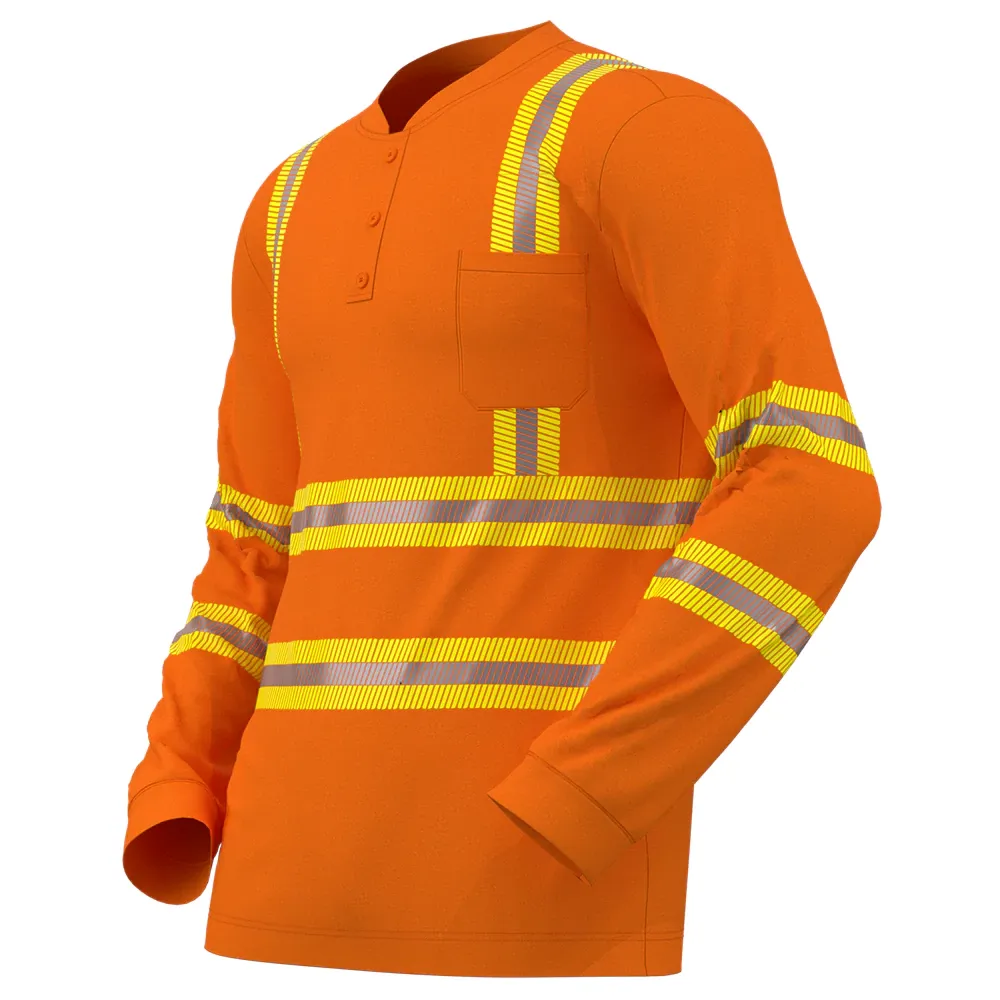
Picking a product line first and figuring out the certification later is backwards. The hazard comes first: visibility, flame, heat, electric arc, chemical splash, or weather exposure each call for a different product category and a different standard.
Under EU Regulation 2016/425 on personal protective equipment, PPE has to meet defined essential health and safety requirements and go through a conformity assessment before it can carry a CE mark. That framework governs the EU market; the exact product selection still has to be made by a safety professional and the compliance officer responsible for the buying company, working from a documented risk assessment.
Buyers looking for standard, non-PPE uniforms rather than certified protective gear should start from the bulk factory floor uniform guide instead; it's a different sourcing conversation entirely.
How Do You Separate Everyday Workwear from Certified PPE?
A daily uniform and a piece of certified PPE can share the same color; only the certified item carries documented protection against a defined hazard.
Personal protective equipment is a category of product specifically designed, and formally assessed, to protect a wearer against an identified risk. A heavier fabric, a reflective strip, or a "safety" label on the tag is not, by itself, evidence of tested performance.
That distinction matters most when a buyer assumes a garment is "protective enough" because it looks the part. The only reliable evidence is the standard cited on the label, matched to the technical file behind the certificate. Color, weight, and general appearance tell you nothing about that.
How Do You Determine Which Standards Apply?
Every protection request has to match at least 4 records: hazard, standard code, product class, and use limitation.
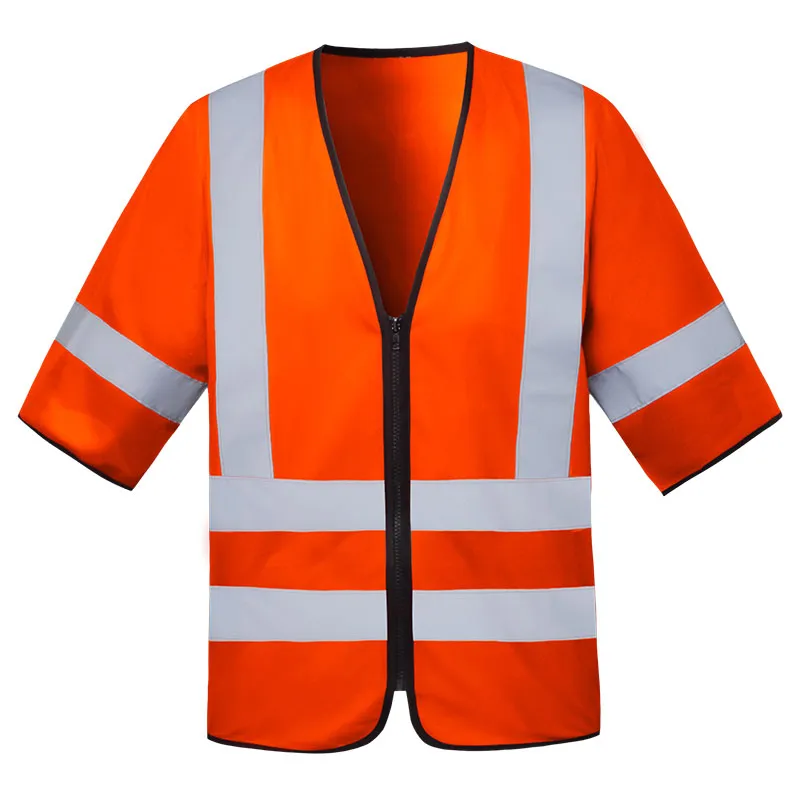
High-visibility clothing, flame and heat protection, rain and chemical splash, and electric-arc exposure each sit under a separate standard, and none of them substitute for one another. A standard code and class should never be guessed at without a documented risk assessment behind it.
Visibility products are covered in the hi-vis vest class guide; heat and flame risk gets its own treatment in the flame-resistant workwear standards guide. Both go deeper into class selection than a general buying overview can.
How Do You Verify CE Documentation?
A CE file needs at least 5 elements checked: manufacturer, model, standard, declaration of conformity, and certificate validity.
A CE mark on its own is not a complete technical review. The product label, the EU declaration of conformity, the use instructions, and, where required, the notified body's certificate all need to reference the same model. If the certificate lists a different model or material than what's actually being quoted, that paperwork stops being usable evidence.
Turkey's Ministry of Labor and Social Security guidance on PPE and CE marking and the Turkish Standards Institution's PPE page outline the conformity framework a Turkey-based manufacturer typically operates under. That's useful background when auditing a supplier's documentation, alongside whatever regulatory regime actually governs the destination country of use.
Can Certified Protective Workwear Carry a Company Logo?
Changing the logo on a certified garment can affect 4 things: visible surface area, material behavior, seam structure, and certificate scope.
TB Uniform handles printing and embroidery in-house, but that's a general production capability, not proof that a specific certified protective item can be modified without affecting its performance. A large logo on a high-visibility garment can eat into the visible reflective or fluorescent surface required by the standard. On a flame-resistant item, the wrong thread, patch, or print method can change how the fabric performs under heat.
Branding on a certified garment should only proceed with the technical file, the certificate's scope, and written sign-off from whoever holds compliance authority for that product. Standard, non-PPE company uniforms are a different conversation; see the custom logo workwear guide for that process.
How Should Fit and Wear Testing Be Done?
A protective-garment fit trial should cover at least 6 movements: walking, sitting, bending, crouching, reaching, and climbing stairs.
A garment that's too tight restricts movement and layering. One that's too loose creates a snag hazard near machinery. Fit testing needs to happen with the actual work boots, base layers, and any other equipment the garment will be worn alongside, not on its own.
An S/M/L label on the tag isn't enough on its own; finished garment measurements and tolerances belong in the technical file. TB Uniform's standard sample lead time is 5-7 business days once the required specifications are locked in. The wholesale uniform sample request process covers how that review typically gets documented.
Does OEKO-TEX Certification Prove Protective Performance?
OEKO-TEX STANDARD 100 covers harmful-substance testing; on its own, it does not confirm a PPE class or CE conformity.
OEKO-TEX STANDARD 100 evaluates textile products and components for specified harmful substances. Whether a garment meets a specific protective standard, performance class, CE requirement, or use instruction is a separate question, and each part needs its own review.
ISO 9001 speaks to a quality management system; GOTS addresses certified processing of organic fibers; REACH is chemical-substance regulation. None of these stand in for a protective-performance claim. Any certificate scope cited on TB Uniform's behalf should be confirmed for the specific project before a quote goes out.
How Should MOQ and Lead Time Be Planned?
The minimum order is 100 pieces per color and style. Production and delivery after approval generally take 4-6 weeks.
A change in model, material, or standard creates a separate production block in protective workwear. These don't fold neatly into a single combined MOQ the way basic uniform colorways sometimes can. How a size run divides across the 100-piece minimum should be spelled out in the written quote before production starts.
Monthly production capacity at TB Uniform can reach up to 50,000 pieces depending on the product group. That figure describes overall manufacturing scale. On its own, it doesn't confirm production competency or reserved capacity for a specific certified protective item; verify that separately from the standard uniform capacity figures.
Frequently Asked Questions
What's the minimum order for PPE workwear?
TB Uniform's minimum order is 100 pieces per color and style. A different protection standard, fabric, class, or design typically counts as a separate style. How the size run applies against that minimum, and whether certified items carry any different production quantity, should be confirmed in writing on a per-project basis.
Does every piece of safety workwear need a CE mark?
No. A daily uniform and personal protective equipment aren't the same thing. The CE requirement applies when a garment is designed to protect against a specific hazard and falls under the applicable PPE regulation. A buyer's own risk assessment should drive product classification, and the documentation requirement should be confirmed with a compliance specialist.
Can a logo be added to protective workwear?
Only if the garment's technical file and certificate scope allow it. Printing, embroidery, or a patch can change the visible material area, flame behavior, or seam structure of a certified item. The application method needs written sign-off from the certificate holder and the relevant technical party before it happens.
How long does a sample take?
TB Uniform's standard uniform sample is ready in 5-7 business days once the required technical information is finalized. Certified protective items may need testing or documentation review on a different timeline, so that 5-7 day figure shouldn't be read as a certified-product turnaround.
Is an OEKO-TEX certificate enough for protective clothing?
No. OEKO-TEX STANDARD 100 addresses harmful substances. It doesn't demonstrate high-visibility, flame, heat, chemical, or electric-arc protection. The relevant product standard, performance class, CE documentation, use instructions, and model scope all need separate verification.
How do you request a quote for PPE workwear?
Share the risk assessment, task list, required product standard and class, model, quantity, size run, logo requirements, delivery point, and target date. Once technical fit is confirmed, TB Uniform can move to samples and pricing. Certified protective-product competency should be documented on a per-project basis.