How Do You Plan a Corporate Uniform Program?
A corporate uniform program ties brand colors, role-specific styles, a fabric family, a sizing system, and logo rules into one technical file. TB Uniform's minimum order is 100 units per color and model. Once the required specs are locked, sampling takes 5-7 business days, and confirmed orders typically ship in 4-6 weeks.
Most uniform projects start with a single sentence: put the logo on it. By the time a project is actually running, that sentence has turned into a technical file covering fabric selection, size breakdowns, color sign-off, and a record for every reorder that follows. A front-desk employee and a field technician can wear the same brand colors without needing the same fabric or the same pattern.
What does a uniform program actually need to solve?
A uniform system has to carry at least four things at once: employee identity, task fit, size access, and reorder consistency.
The first deliverable in a uniform project isn't a moodboard. It's a role-and-product matrix: one row per employee group, listing model, color, fabric, wear frequency, and delivery point. Talking about color palettes or logo sizing before that matrix exists is a bit like shopping for furniture before measuring the room.
A comparable breakdown structure, built for hospital staff programs, runs through the hospital staff uniform supplier guide; the same role-to-product logic applies there.
Off-the-shelf, custom manufacturing, or a rental program: how do they differ?
The purchasing model comes down to at least six factors: model and color control, minimum order, upfront cost structure, upkeep ownership, replacement speed, and how long the corporate look stays consistent.
| Option | Model and color control | Startup structure | Upkeep ownership | Best fit |
|---|---|---|---|---|
| Logo on stock apparel | Limited to catalog options | Less development, fast start | Stays with the buyer | Small teams, fast turnover |
| Custom manufacturing | Pattern, color, and details set project by project | Requires sampling and a tech pack | Stays with the buyer | Corporate look needs to hold over time |
| Managed rental program | Depends on the provider's product pool | Requires a contract and circulating stock | Can shift to the service provider | Regular laundering and swap-out is wanted |
Buying outright, whether off the shelf or custom, is still the more common path for corporate uniform programs. Custom manufacturing gives tighter control over model and color, but stock, laundering, and replacement stay the buyer's responsibility. Rental can take that operational load off a company's plate, in exchange for a contract term and a narrower product menu that need to be read closely upfront.
TB Uniform sits on the buying side of that table, covering both stock-logo work and custom manufacturing. Rental or managed laundry isn't part of its service profile. A buyer who needs that specific model should look elsewhere for it.
Why should a role-and-model matrix come before anything visual?
A working task matrix needs at least eight fields: department, role, model, fabric, color, size, wear frequency, and delivery point.
Putting every employee in one model looks clean on a slide, but it papers over real functional differences. Desk staff, field crews, clinical staff, and kitchen teams each move differently, get washed differently, and work in different conditions.
The product family can still share a common language:
- one corporate color family across roles
- consistent logo placement and size
- a compatible collar or closure line across styles
- fabric and pocket structure that flexes by role
Every top, pant, jacket, or apron gets its own model code, and that code stays fixed across the quote, the sample, the bulk run, and every reorder afterward. Change the code, and the sample approval tied to it stops meaning anything.
What does a corporate color system actually need to rest on?
Color sign-off needs at least two physical references: an approved fabric swatch and a color record tied to the bulk production lot.
A screen color, a printout, or a spoken color name isn't a specification a factory can cut fabric against. Fabric structure, dye method, and light source all shift how a color reads, and the same shade can look different on a heavier weave than on a lighter one.
The corporate decision-maker needs to write down where the primary color and any secondary colors apply. If department separation runs through color, both staff and visitors need to be able to tell the difference at a glance.
For organizations actually operating a uniform program inside Turkey, department colors in healthcare settings should be checked against Turkey's Ministry of Health Corporate Identity Guide and the facility's own current instructions. That's a Turkey-specific reference, not a stand-in for whatever rule applies where the buyer's own facility operates. A department color or code shouldn't be guessed from habit; it needs to come from the organization's own current source.
How does logo placement get standardized across styles?
A logo guide needs four fixed data points: the measurement in centimeters, placement, color, and whether it's print or embroidery.
TB Uniform runs printing and embroidery in its own production line. "Left chest" isn't a specification on its own. Placement needs a measurement in centimeters from a fixed reference point: the shoulder seam, the center-front line, or the pocket edge.
The same logo size doesn't translate cleanly across every style. Identical centimeter dimensions can carry very different visual weight on a polo shirt versus an apron, a jacket, or a scrub top, which is why every style needs its own check on the actual production fabric, not just on a flat mockup.
Dense embroidery can pucker lightweight fabric, and a large print area can change how a garment drapes. The custom-embroidered workwear guide walks through choosing between the two application methods in more detail.
Does one fabric have to cover every product in the program?
Fabric selection rests on at least four measurable data points: fiber ratio, weight, dimensional shrinkage, and colorfastness.
Running every garment in one fabric isn't a requirement. An office shirt, a work pant, a nurse's scrub, and a chef's jacket can reasonably call for different weights and constructions. If a consistent color appearance across those fabrics matters, physical swatches need to sit side by side under the same light. A screen or a swatch card alone can be misleading.
A fabric comparison needs answers to a specific set of questions:
- What washing and drying method does the organization actually use?
- How long are shifts, and how much movement do they involve?
- How much direct skin contact does the fabric see?
- What stain, friction, or heat exposure is realistic?
- How many seasons will the garment see wear?
- How will the same fabric be identified on a future reorder?
OEKO-TEX STANDARD 100 tests textile products and components against a defined list of harmful substances. That certificate on its own doesn't prove wash durability, task suitability, or protective performance. Those need their own separate verification.
Is sizing part of the corporate identity system, or a separate problem?
A sizing system needs to combine two data sets: actual employee measurements and the finished-garment measurement chart for each model.
An inconsistent sizing setup damages both the employee experience and the distribution process behind it. Even within one organization, shirts, jackets, and pants can carry similar-looking size labels while the actual measurements shift from model to model. A size medium in one style isn't guaranteed to match the chest measurement of a medium in another.
The organization needs to write down chest, waist, hip, garment length, sleeve, and inseam measurement points. Tall or petite options need their own pattern codes, tracked separately. Which sizes get carried in stock for staff turnover and replacement needs also needs deciding ahead of time.
TB Uniform's minimum order is 100 units per color and model, and how the size breakdown fits inside that 100-unit group needs written confirmation before the project starts. It's the single most common source of disagreement further down the line.
What gets checked when a sample collection is approved?
A corporate sample collection needs review across at least seven areas: fit, measurements, fabric, color, range of movement, logo, and wash result.
TB Uniform's standard sample lead time is 5-7 business days once the required technical specs are locked in. Approving one garment doesn't approve the whole collection. Every model in it needs its own fit check and technical measurement review.
Color families need to sit side by side for comparison, and logo size and placement need checking across every style in the set. A wash trial should record measurement, color, stitching, and application results separately.
Every revision needs its own version number, and it needs to be unambiguous which version bulk production is actually built from. The wholesale uniform sample request guide covers that version-tracking process in more detail.
What does managing private label and labeling actually involve?
A private label file needs to cover at least six items: brand, size, fiber content, care, country of origin, and packaging information.
TB Uniform does private label manufacturing, and the buyer is responsible for holding the rights to the brand name and logo used. Label copy needs to be built separately for each destination market. One label text doesn't safely cover every market a product ships to.
The EU's Regulation 1007/2011 on textile fiber names sets rules for naming fibers and labeling the fiber composition of textile products sold in the EU. That applies to shipments headed for the EU market specifically. For a private label going to the US or any other market, the destination country's own textile labeling requirements need their own separate check. An EU rule doesn't substitute for whatever labeling law actually governs that market.
Labels, packaging, and the tech pack all need to carry the same product code, and an approval record needs to exist so an outdated label version never makes it into a production run by mistake.
Should a corporate collection's cost be compared on unit price alone?
A cost comparison needs at least eight line items: fabric, pattern, sampling, logo, labeling, packaging, shipping, and replacement stock.
Comparing off-the-shelf, custom, and rental quotes on unit price alone leaves out most of what actually drives the total. Custom manufacturing can carry its own sampling and development cost, in exchange for model and color control that's specific to the organization.
A real total-cost-of-ownership number needs to account for:
- units per employee
- expected annual replacement volume
- laundering and drying cost
- idle stock created by staff turnover
- logo or name application cost
- storage and internal distribution cost
- shipping and customs cost
- loss or damage rate
Unit pricing and custom development fees aren't published in a company profile, which means a real comparison has to run on actual quotes rather than a guess built from a catalog price.
How does a program hold its identity through the second and third reorder?
A reorder file needs at least six fixed reference points: product code, pattern version, fabric, color, logo, and label version.
A corporate identity program is tested by its second and third order, not its first. If a fabric or a trim changes, the look, the fit, and how the garment holds up in the wash can all shift with it, which is why every change needs to run through a written sign-off process before it reaches production.
The approved physical sample, the measurement chart, and the color cutting should be kept on file as long as practical, alongside the production date and material lot. TB Uniform's monthly production capacity can reach up to 50,000 units depending on the product group, but that figure doesn't mean fabric or capacity is automatically guaranteed for a reorder months later. Fabric availability needs its own confirmation before every reorder.
TB Uniform can be asked for samples and pricing with a technical file that covers role, product, color, size, fabric, logo, label, and delivery point. You can request a quote directly with that information. Current unit pricing, pattern and design fees, size-breakdown terms, fabric continuity, certificate scope, sample fees, payment terms, and shipping cost all need their own project-specific confirmation.
Frequently asked questions
What's the minimum order for a corporate uniform program?
TB Uniform's minimum is 100 units per color and model. Every shirt, pant, jacket, apron, or scrub in the collection counts as a separate model. How sizes split within that minimum, and whether one color can be shared across more than one model, both need written confirmation before quoting.
Is logo-on-stock or custom manufacturing the better fit?
Logo-on-stock apparel needs less development, but model, color, and fabric choices stay limited to what's already in the catalog. Custom manufacturing lets an organization set its own pattern, color, pocket, label, and logo details. The decision usually comes down to team size, how long the program needs to hold up, reorder frequency, and total cost.
Can a corporate color be approved from a digital code alone?
A digital color code works as a starting reference, but bulk production sign-off needs to run on a physical fabric swatch. Screen, light source, and fabric structure all change how a color reads. The approved swatch should be kept on file along with the product code, date, and material information.
How many business days does sampling take?
Once technical drawings, measurements, fabric, color, and logo files are locked in, standard sample lead time is 5-7 business days. Every model in a collection needs its own separate review. Shipping and revision time run on a separate schedule from that window, and the approved version needs to be recorded clearly for the bulk production file.
Does TB Uniform handle private label manufacturing?
Yes. TB Uniform does private label work, including custom pattern, color, and model production, and runs printing and embroidery in its own line. The buyer needs to hold the rights to use the brand name, along with label copy and packaging requirements. Labeling and liability terms for an export market need their own separate check against that market's rules.
How do you request a quote for a corporate uniform program?
Share a role and headcount list, the product matrix, color references, size quantities, fabric expectations, a logo guide, label content, delivery point, and target date. That technical file is what TB Uniform needs for sampling and pricing. Current commercial terms still need project-specific confirmation.
Recommended image alt text
- Corporate color swatches, fabric samples, a logo placement guide, and role-based garment models laid out as a uniform design file
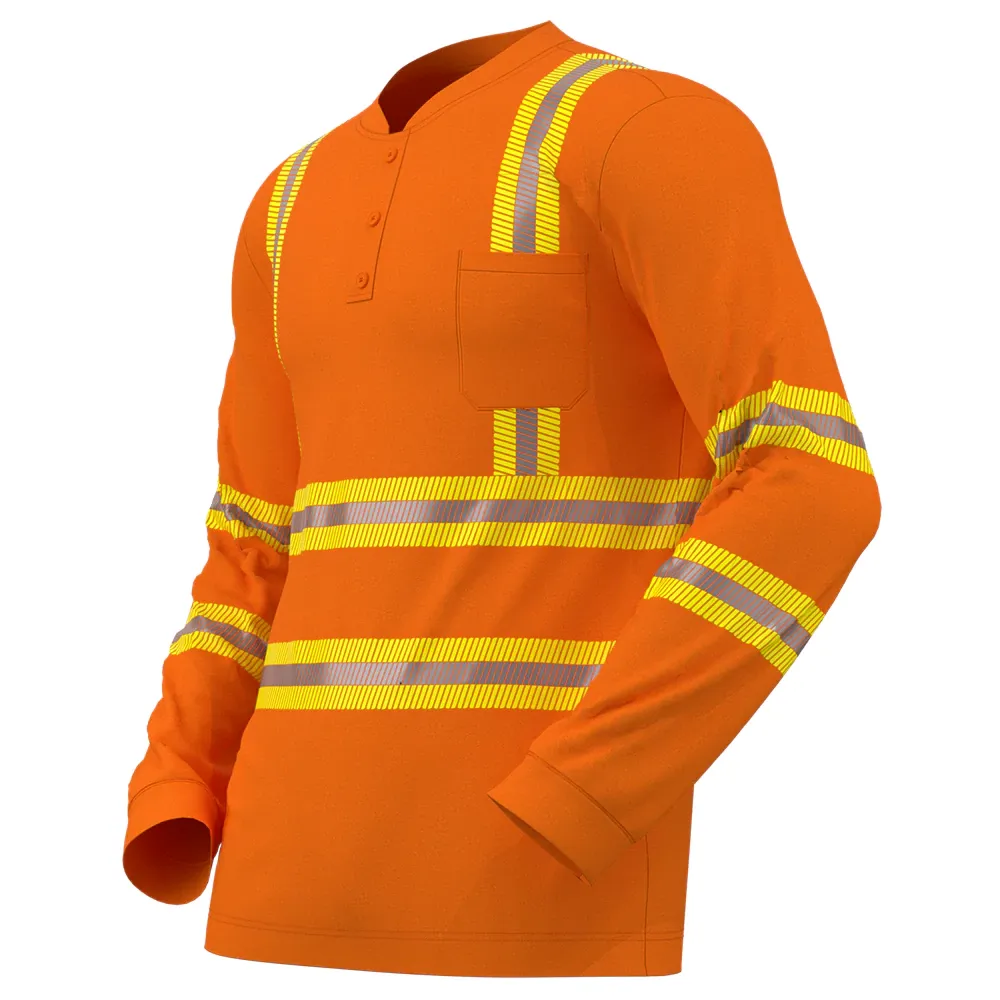
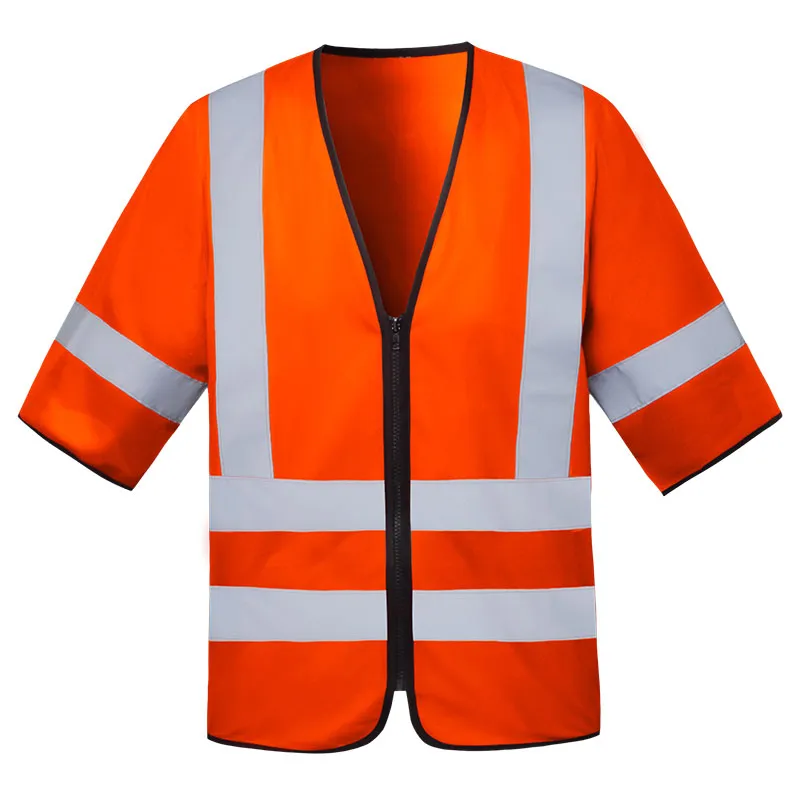
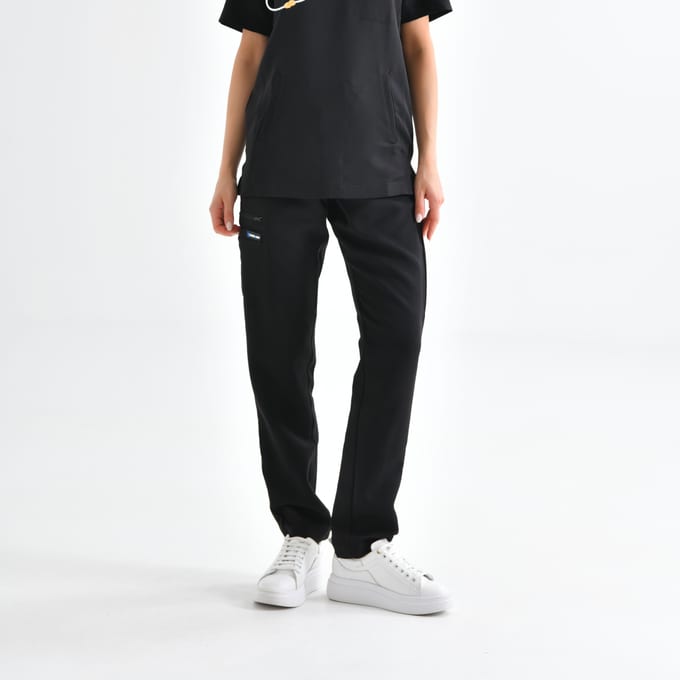
- Front-desk, healthcare, kitchen, and technical staff uniforms designed in the same corporate color family but different models
- Logo placement measured in centimeters and compared across a shirt, a jacket, and an apron
- A corporate uniform reorder file showing product code, pattern version, fabric, color, and label information