How Do Businesses Order Custom Embroidered Work Shirts?
Before asking for production pricing, a business should settle the shirt model, fabric, measurement chart, logo file, embroidery size and placement, quantities per size, and how the shirts will be laundered. TB Uniform manufactures custom embroidered work shirts with a minimum order of 100 pieces per color and model. A sample normally takes 5–7 business days; production and delivery follow in roughly 4–6 weeks after approval.
Which Type of Work Shirt Fits Your Team?
Sort the requirement into one of three categories before ordering: woven button-front shirts, knitted polos, or heavier task-oriented work shirts.
The right model depends on what employees do all day, the climate they work in, how the brand should read, and how the shirts get washed. A reception shirt has different construction needs than a garment worn by a maintenance crew or a field-service technician.
A shirt specification can define:
- Long or short sleeves
- Button-front or snap-front closure
- Polo or woven collar
- Straight or shaped fit
- Chest pockets and pen divisions
- Back pleats and side vents
- Adjustable cuffs
- Shirt-tail or straight hem
If your operational teams need heavier garments, start with the industrial workwear supplier guide instead of treating every embroidered shirt as industrial clothing.
What Does the Manufacturer Need for Your Logo?
A complete embroidery brief covers authorized artwork, finished dimensions, placement, thread colors, the garment fabric, and the expected viewing distance.
TB Uniform runs embroidery and printing in-house. A high-resolution image works as a visual reference, but vector artwork is the better starting point for building the embroidery file.
Send the manufacturer:
- Vector logo artwork
- Finished width and height
- Approved thread colors
- Exact wording
- Placement instructions
- Garment fabric and color
- Trademark-use authorization
- Any restrictions on modifying the logo
Very fine text and narrow details sometimes need simplification to stay legible at stitched size. Approve any such adjustment before treating the sample as final.
The USPTO trademark overview explains how names, symbols, and designs identify goods or services. Confirming the right to reproduce a submitted mark stays with the buyer.
Where Should the Logo Be Placed?
A repeatable placement is defined by two fixed measurement points, not by phrases like "near the pocket" or "centered visually."
Typical positions are the left or right chest, sleeve, collar, back yoke, and the area above a pocket. Measure placement from stable garment references: a shoulder seam, center front, pocket edge, or sleeve seam.
Record on the approval sheet: logo width and height, distance from center front, distance below the shoulder, relationship to the pocket, orientation, thread colors, backing material, and any name or role text.
Two practical warnings. A logo directly above a loaded pocket can distort during wear, and large or dense embroidery pulls on lightweight fabric, so run the approval on the actual shirt material.
Which Fabric and Construction Details Matter?
A usable work-shirt specification defines composition, weight, weave, shrinkage, colorfastness, seams, pockets, and laundering, not fiber content alone.
Fiber percentages by themselves say little about durability or comfort in the finished garment. Define the workplace and care conditions first, then approve measurable requirements: fabric weight, woven or knitted structure, mechanical or elastane stretch, dimensional stability, colorfastness, pilling and abrasion behavior, seam construction, reinforcement points, button or snap type, pocket dimensions, and wash and drying conditions.
TB Uniform can address project requirements connected with OEKO-TEX, GOTS, REACH, and ISO 9001. Applicability has to be verified for the selected material, the supplier documentation, product class, certificate scope, and validity. None of these references establish blanket certification for every shirt.
How Should Sizing Be Approved?
Sizing needs two reviews before bulk cutting: measurement checks against the technical chart, and a fit assessment on actual wearers.
Generic S, M, and L labels are not a specification. The technical chart should state chest, waist, shoulder, garment length, sleeve length, cuff opening, collar, and any model-specific points.
During the wearer review, test reaching and bending, button or placket strain, sleeve position, collar comfort, pocket access, shirt length in motion, fit over required base layers, and extended-size proportions.
Submit quantities for every size and keep a small replacement allowance where practical. Shirts personalized with employee names are harder to reassign later, which makes spare stock more valuable.
Programs for clinical or care teams can coordinate identification and sizing through the bulk nursing home uniforms guide.
Which US Label and Apparel Rules Apply?
US-bound work shirts generally carry three core textile disclosures and fall under the 16 CFR Part 1610 clothing flammability standard.
The Federal Trade Commission explains that covered textile products generally identify fiber content, country of origin, and the manufacturer or another responsible dealer, with disclosures that are clear, accessible, and accurate.
The FTC Care Labeling Rule generally requires supported care instructions for covered apparel. Its guidance describes an exemption for certain uniforms sold to institutional buyers for commercial use. Whether your distribution and employee-purchase model qualifies is something to confirm, not assume.
The Consumer Product Safety Commission identifies 16 CFR Part 1610 as the general flammability standard for clothing textiles. It defines three flammability classes and prohibits Class 3 textiles in apparel.
Official references:
Requirements shift with the garment, purchaser, distribution channel, and claims made. Official guidance does not replace review by the importer's qualified compliance adviser.
Is an Embroidered Work Shirt Protective Clothing?
Under OSHA rules, ordinary work clothing and uniforms are not automatically PPE just because employees wear them on the job.
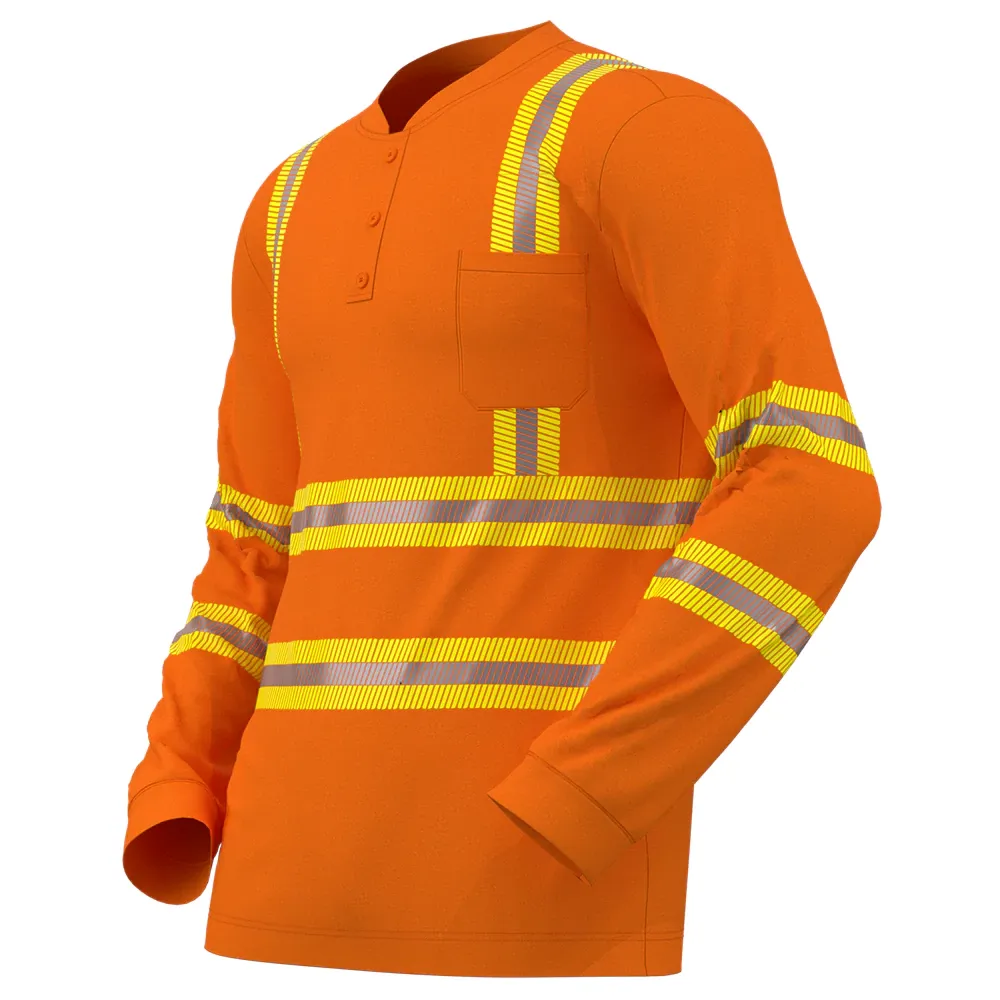
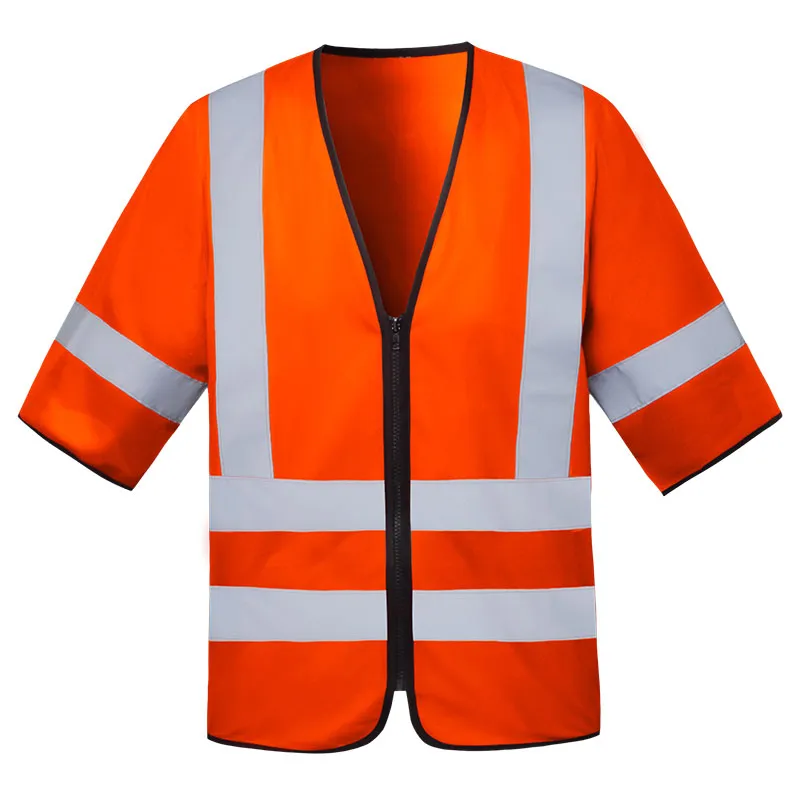
A standard embroidered work shirt should never be represented as flame-resistant, chemical-resistant, arc-rated, or high-visibility PPE without the applicable design requirements, testing, labels, documentation, and verification behind it.
OSHA's PPE payment rule discussion draws the line between ordinary uniforms and equipment used for protection. Assessing workplace hazards and selecting appropriate equipment remains the employer's responsibility.
If you need clothing for flame or thermal hazards, use the separate FR clothing supplier guide and specify the hazard assessment and applicable standard. Ordinary custom work-shirt information is not evidence of FR performance.
How Are Samples and Embroidery Approved?
A reliable approval checks measurements, fabric, color, construction, logo, labels, and care performance before bulk production starts.
TB Uniform was founded in 2004 and manufactures in Istanbul, Turkey. A custom sample generally takes 5–7 business days once the specification, material, and artwork inputs are confirmed.
Approve on the physical sample: shirt measurements, fit and movement, fabric hand and appearance, pocket and closure details, embroidery dimensions, placement and thread colors, logo spelling and proportions, labels, packaging, and wash response where required.
A photograph won't show puckering, backing comfort, thread texture, or measurement accuracy. Written approval should identify the exact sample and its correction status as the basis for bulk production.
What Determines MOQ, Price, and Lead Time?
A complete quotation identifies at least nine commercial inputs: garment, pattern, sample, embroidery, labels, packaging, freight, duties, and payment terms.
TB Uniform's minimum order is 100 pieces per color and model. Different shirt constructions, fabrics, or colors may form separate production blocks. Size distribution can be discussed within the relevant model and color, subject to pattern and project confirmation.
Production capacity can reach 50,000 pieces per month depending on product type, materials, order mix, and scheduling. Production and delivery generally take 4–6 weeks after approved specifications and samples. The company exports to Europe and North America.
For a project-specific evaluation, send TB Uniform the shirt drawings, measurement chart, color and size quantities, logo files, placement sheet, destination, and required delivery date.
Pricing note: current unit prices, digitizing or sample charges, material availability, payment terms, Incoterms, freight, duties, personalization costs, and size surcharges all require a project-specific quotation.
Frequently Asked Questions
What is TB Uniform's minimum order for embroidered work shirts?
100 pieces per color and model. Different shirt models, fabrics, or colors may count as separate production blocks, so submit quantities by style, color, and size and let the manufacturer confirm how the MOQ applies before commercial terms are issued.
Can TB Uniform develop a custom shirt instead of decorating stock?
Yes. Custom patterns, colors, models, private labels, embroidery, and printing are all supported; see the customization overview. Provide drawings, measurements, fabric expectations, quantities, branding files, and packaging requirements. Material availability and technical feasibility get confirmed during review and sampling.
Which logo format should a buyer provide?
Authorized vector artwork, because it preserves shapes and proportions when the embroidery file is prepared. Add exact dimensions, approved colors, placement, wording, and trademark-use permission. The stitched result still needs approval on the intended fabric.
Can individual employee names be embroidered?
Names can be evaluated as part of the project. You'll need an approved spelling list, text style, position, and a verification process. Personalization also makes unused garments harder to reassign, so settle replacement-stock and turnover policies before approving.
How long do sampling and production take?
A custom sample generally takes 5–7 business days after the technical and artwork inputs are confirmed. Production and delivery generally take 4–6 weeks after written approval. Fabric availability, embroidery complexity, names, order volume, revisions, freight, and customs can all move the schedule.
Are embroidered work shirts flame-resistant?
Not by default. Embroidery and a workwear look do not establish flame resistance or any other protective property. An FR garment requires a defined hazard, suitable materials and construction, applicable testing, labels, documentation, and verification. Keep ordinary uniform specs and protective-clothing specs separate.