How Should You Choose an Industrial Workwear Supplier?
Before requesting quotes, map the job itself: tasks, garment types, fabric, construction, sizing, laundering, branding, and workplace hazards. Skip that groundwork and compare prices first, and you'll likely end up with the wrong specification at an attractive price. TB Uniform's custom-manufacturing minimum is 100 pieces per color and model. Sampling typically takes 5–7 business days, and production plus delivery follow in roughly 4–6 weeks after approval.
What Supply Model Actually Fits the Order?
Three supply models cover most industrial workwear purchases: stocked distribution, decoration of existing garments, and custom private-label manufacturing.
A distributor sells from a catalog of pre-made products. A decorator adds branding to blank garments it did not design. A custom manufacturer builds the garment to the buyer's pattern, measurements, materials, construction, colors, labels, and packaging. These are three different businesses, even though they can look identical on a search results page.
TB Uniform operates in the third category: custom and private-label production. Project options can include custom patterns, colors, models, printed branding, embroidery, private labels, and buyer-specific packaging.
The minimum order is 100 pieces per color and model. A shirt, trouser, jacket, vest, or coverall each counts as a separate model, and different fabric constructions or colors can open additional production blocks.
Which Garments Belong in an Industrial Program?
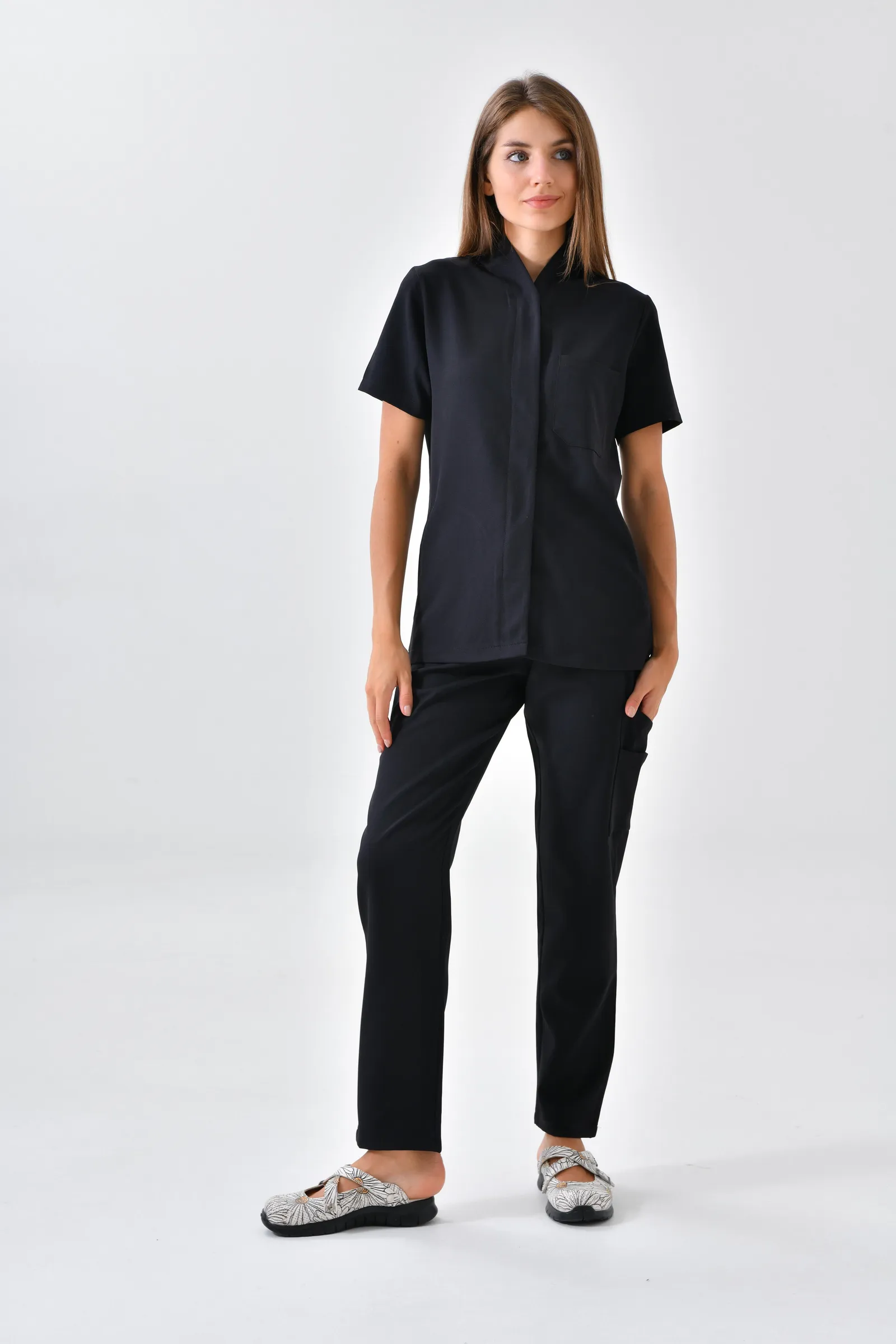
A coordinated industrial program commonly runs at least 5 models: shirts, trousers, jackets, vests, and coveralls.
Build the garment matrix around what each role actually does, instead of putting every employee in the same outfit.
| Work group | Possible garments | Main specification points |
|---|---|---|
| Maintenance | Work shirts, trousers, jackets | Tool pockets, movement, reinforcement |
| Warehouse | Polos, trousers, vests | Reach, indoor climate, identification |
| Field service | Shirts, trousers, outer layers | Mobility, weather conditions, branding |
| Production | Jackets, trousers, coveralls | Machinery interface, closures, fit |
| Supervisors and visitors | Shirts, polos, ordinary vests | Identification, site rules, sizing |
If what you're really after is branded shirts rather than a full multi-garment program, the custom embroidered work shirts guide covers logo placement and business-shirt development in more depth.
How Should Workplace Tasks Shape the Spec?
A workwear brief should document at least 6 task factors: movement, tools, surfaces, temperature, contamination, and laundering.
Talk to employees and safety personnel before locking in pockets, closures, cuffs, or fit. A feature that looks right on a spec sheet can create real problems on the floor if it snags on equipment, blocks access to required PPE, or puts a tool where it interferes with movement.
Review:
- Reaching, bending, kneeling, and climbing
- Tools and devices carried
- Contact with rough surfaces
- Indoor and outdoor temperatures
- Dust, dirt, oil, or other contamination
- Garments worn underneath
- Required PPE worn over or under the uniform
- Laundering and replacement practices
OSHA guidance for protecting workers advises avoiding loose clothing where it can interact with equipment. The final construction still has to follow the employer's own machinery and workplace risk assessment, not a generic checklist.
Which Fabric and Construction Details Actually Matter?
An industrial workwear specification should define at least 10 variables covering fabric, seams, reinforcement, closures, pockets, fit, and care.
A fabric name or fiber blend on its own does not establish durability. Document measurable requirements for:
- Fiber composition
- Fabric weight
- Weave or knit structure
- Shrinkage
- Colorfastness
- Abrasion and pilling
- Seam construction
- Reinforcement locations
- Closure materials
- Pocket size and load
- Laundering conditions
- Dimensional tolerances
Reinforcement should sit where the model and task actually need it, not everywhere at once. Extra fabric layers add stiffness, weight, drying time, and heat burden.
TB Uniform can address project requirements involving OEKO-TEX, GOTS, REACH, and ISO 9001. Buyers still need to verify the material, supplier document, certificate scope, product class, and validity for their own order. None of these references mean that every TB Uniform garment carries every certification.
How Should Climate and Heat Burden Be Evaluated?
A heat-related garment review should weigh at least 4 factors: environment, physical workload, clothing layers, and required protective equipment.
The US National Institute for Occupational Safety and Health explains that occupational heat stress combines environmental heat, metabolic heat, clothing, and PPE. Garment choice is only one piece of a larger heat-risk program.
A lighter, more air-permeable ordinary uniform can support comfort, but it does not replace engineering controls, work practices, hydration, rest schedules, acclimatization, or required PPE. Protective clothing itself can add heat burden that workplace safety personnel need to factor in separately.
Official references:
Involve qualified safety personnel in fabric decisions whenever heat is an identified workplace hazard.
How Should Sizes Be Planned?
Size approval needs 2 forms of evidence: measurements checked against the technical chart, and movement checks with representative employees.
Generic letter sizes are not a manufacturing spec. Each model should define its own measurements, grading increments, tolerances, and method of measurement.
Depending on the garment, review:
- Chest, waist, and hip
- Shoulder and sleeve length
- Garment and inseam length
- Rise and thigh
- Cuff and hem openings
- Ease over base layers
- Compatibility with required PPE
- Extended-size proportions
Submit quantities by model, color, and size. If different fits use separate patterns or construction, the manufacturer needs to confirm whether they count as separate models under the 100-piece minimum.
How Should Branding and Identification Be Approved?
A branding package needs at least 5 approved inputs: artwork, dimensions, colors, placement, and authorized wording.
TB Uniform handles printing and embroidery in-house. Buyers should provide vector artwork, permission to use the mark, exact dimensions, thread or print colors, and placement measured from fixed garment points rather than described in words.
Identification can include:
- Company logo
- Employee name
- Department
- Job role
- Site or contractor designation
- Private brand labels
- Size and distribution labels
Personalization affects reassignment and replacement stock. Decide early whether names are worth the trouble, or whether department and role identification already covers the operational need.
Which US Rules Should Importers Check?
US-bound industrial uniforms typically involve 3 core textile disclosures plus the 16 CFR Part 1610 general apparel flammability standard.
The FTC states that covered textile products generally have to disclose fiber content, country of origin, and the manufacturer or another responsible dealer. Its Care Labeling Rule addresses supported care instructions and describes an exemption for certain goods sold directly to institutional buyers for commercial use.
The CPSC identifies 16 CFR Part 1610 as the general clothing-textile flammability standard. Meeting this general apparel standard does not make a garment flame-resistant occupational PPE.
Official references:
Get qualified compliance review for the exact garment, label, distribution channel, and claims before shipping.
When Does Industrial Workwear Become PPE?
OSHA 1910.132 requires a documented hazard assessment and properly fitting PPE selected for the hazards identified at that specific workplace.
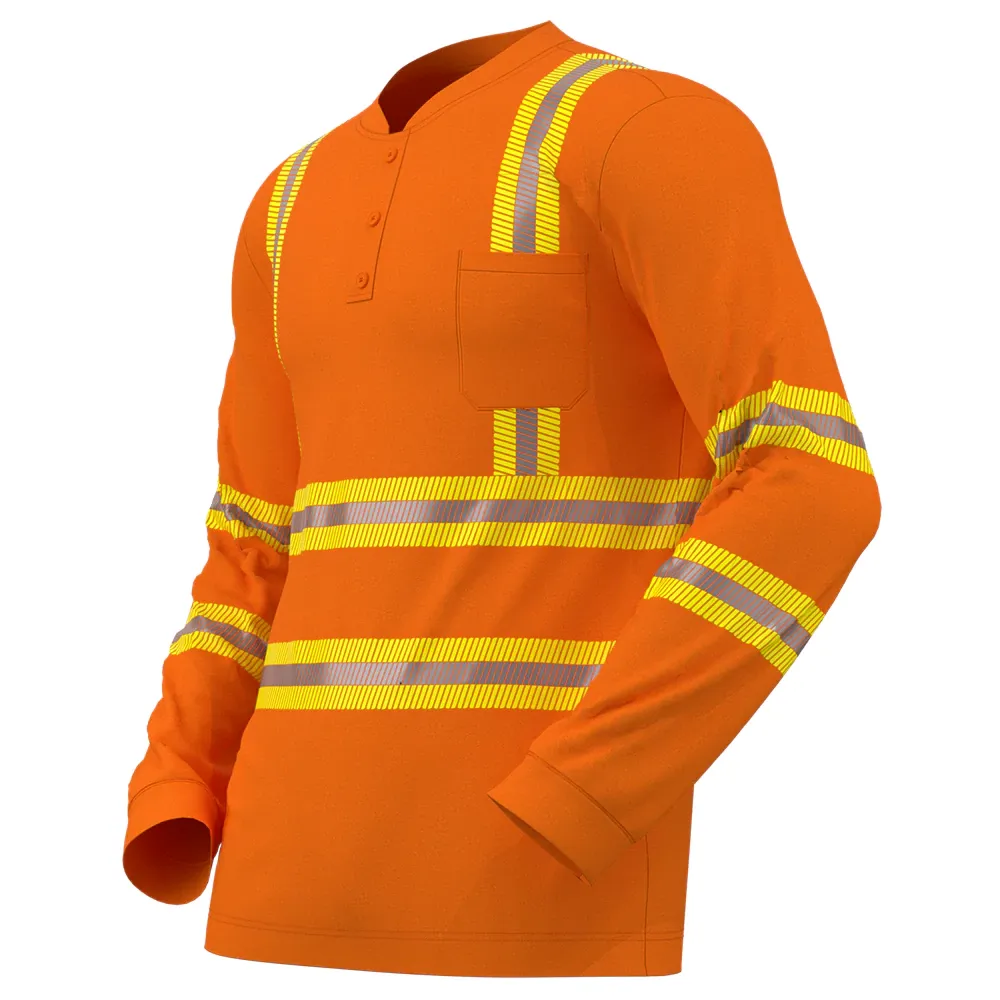
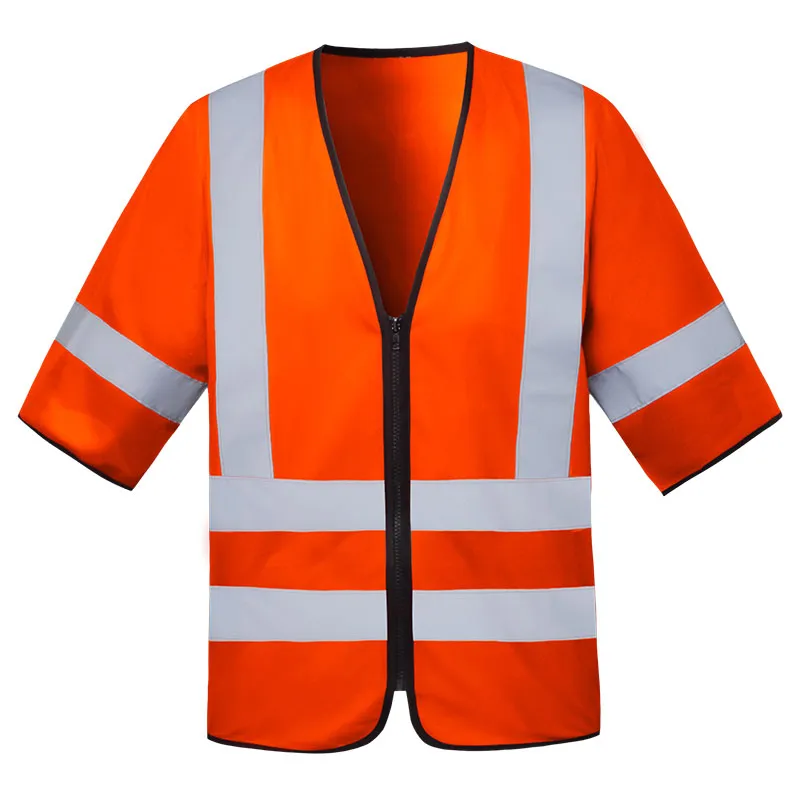
Looking industrial does not mean a garment protects against flame, arc, chemicals, cuts, biological materials, low visibility, or any other hazard. Ordinary uniforms and task-specific protective equipment need to be specified separately, not assumed to overlap.
The OSHA general PPE standard requires employers to assess workplace hazards and select PPE that protects affected employees and fits them properly.
For flame-related requirements, use the FR clothing supplier for oil and gas guide. For conspicuity requirements, use the bulk high-visibility vest guide. Neither performance should be inferred from TB Uniform's general workwear manufacturing information alone.
How Does Sampling and Wholesale Production Work?
A custom industrial workwear order runs through 6 stages: scope, specification, quotation, sample, approval, and bulk production.
TB Uniform was founded in 2004 and manufactures in Istanbul, Turkey, exporting to Europe and North America. Production capacity can reach 50,000 pieces per month, depending on the garment, materials, order mix, and scheduling.
A sample generally takes 5–7 business days once the required technical inputs and materials are confirmed. Check measurements, movement, seams, reinforcement, pockets, closures, branding, labels, and care performance on the physical sample, not the spec sheet.
Production and delivery generally need 4–6 weeks after written approval. Material availability, complexity, order size, revisions, freight, and customs can all move the final calendar.
For a project-specific review, send TB Uniform the garment matrix, drawings, measurement charts, quantities by color and size, fabric brief, branding files, destination, and requested delivery date.
Not covered here: current prices, sample charges, material availability, payment terms, Incoterms, freight, duties, inspections, replenishment terms, and size surcharges all require a project-specific quotation.
What Do Wholesale Workwear Buyers Ask?
These 6 answers cover MOQ, garment range, customization, sizing, timing, and the boundary between uniforms and PPE.
What is TB Uniform's wholesale workwear minimum order?
100 pieces per color and model. Shirts, trousers, jackets, vests, and coveralls are separate models, and additional colors or constructions can create further production blocks. Submit a detailed quantity matrix so MOQ application can be confirmed before quotation.
Can several industrial garment models be included in one project?
Yes. One program can include shirts, trousers, jackets, vests, coveralls, and other technically approved models. Each model and color is evaluated separately against the minimum order. Shared materials, colors, labels, or branding support program consistency, but they do not merge distinct garments into one model.
Does TB Uniform offer private-label industrial workwear?
Yes. TB Uniform supports private labels, custom patterns, colors, models, printing, embroidery, and packaging. Available fabric, construction, trim, certification documentation, and branding options depend on project requirements and technical review, with final specifications approved through a documented sample process.
Can multiple sizes be included in a bulk order?
Multiple sizes can be planned within one approved color-and-model block, subject to pattern availability and project confirmation. Provide quantities for every size, including extended sizes, and resolve measurements, grading rules, tolerances, and any size-related commercial differences before cutting.
How long do workwear sampling and production take?
A sample generally takes 5–7 business days once the required specifications and materials are confirmed. Production and delivery generally need 4–6 weeks after approval. Fabric availability, number of models, branding, revisions, order volume, freight, and customs can all affect the confirmed schedule.
Is general industrial workwear flame-resistant or high-visibility PPE?
Not by default. General workwear does not become FR, arc-rated, high-visibility, chemical-resistant, or other PPE through styling, color, or branding alone. Each protective function requires a defined hazard, an applicable standard, a suitable design, testing, labeling, documentation, and verification for the finished product.