Flame-Resistant Workwear Standards, Explained for US Buyers
Pick flame-resistant workwear by hazard, not by garment name. NFPA 2112 governs clothing for short-duration thermal exposure from fire; ASTM F1506 covers flame-resistant, arc-rated apparel for electrical workers; NFPA 70E guides electrical safe-work practices and PPE selection. OSHA requires a workplace hazard assessment first, and in specified electrical work, protection matched to the estimated incident energy.
What does flame-resistant workwear mean?
Flame-resistant clothing resists ignition or limits continued burning. No garment makes a worker fireproof.
Flame-resistant (FR) describes a material or garment intended to reduce injury by resisting ignition, or by stopping combustion once the ignition source is removed. The fabric can be inherently resistant through its fiber chemistry, or treated to reach the required behavior.
The label alone tells you nothing about the hazard, the test method, or the protection level. A garment marketed simply as "FR" leaves a purchasing file incomplete. Before ordering, pin down:
- The applicable performance standard and its edition
- The exact fabric, garment design, and certification status
- The hazard assessment and intended work environment
FR clothing does not stop every burn. Heat can pass through a fabric that never ignites, and real-world protection shifts with exposure energy, duration, garment fit, layering, closures, and garment condition.
That is why "fireproof" has no place in a specification. A defensible spec names the hazard and the standard: NFPA 2112-certified flash-fire clothing, or ASTM F1506-compliant arc-rated apparel, backed by evidence.
What is the difference between FR and arc-rated clothing?
Every arc-rated garment is flame resistant, but an FR garment is not arc rated until it has an electric-arc test result.
Arc-rated (AR) means a material or clothing system carries an arc rating, expressed in calories per square centimeter (cal/cm²). ASTM F1959/F1959M is the laboratory method that determines the arc rating of materials intended for clothing.
The reported figure may be an arc thermal performance value (ATPV) or an energy breakopen threshold (EBT). Either way, it describes performance under a controlled electric-arc exposure. It says nothing about electric shock, voltage insulation, or every condition a worker may meet in the field.
FR clothing built for flash fire can meet its own requirements without ever carrying an arc rating. The reverse mistake also happens: an electrical program should never accept a general vertical-flame result in place of the required arc rating.
| Garment description | Primary hazard | Typical reference | Key evidence |
|---|---|---|---|
| Flame-resistant workwear | Must be defined by the employer | Hazard-specific standard | Fabric and garment documentation |
| NFPA 2112 clothing | Short-duration thermal exposure from fire | NFPA 2112-2023 | Certification and required test evidence |
| Arc-rated clothing | Electric-arc thermal energy | ASTM F1506 and ASTM F1959/F1959M | Arc rating in cal/cm² |
| High-visibility FR clothing | Visibility plus thermal hazard | ANSI/ISEA 107 and relevant FR/AR standard | Separate evidence for both functions |
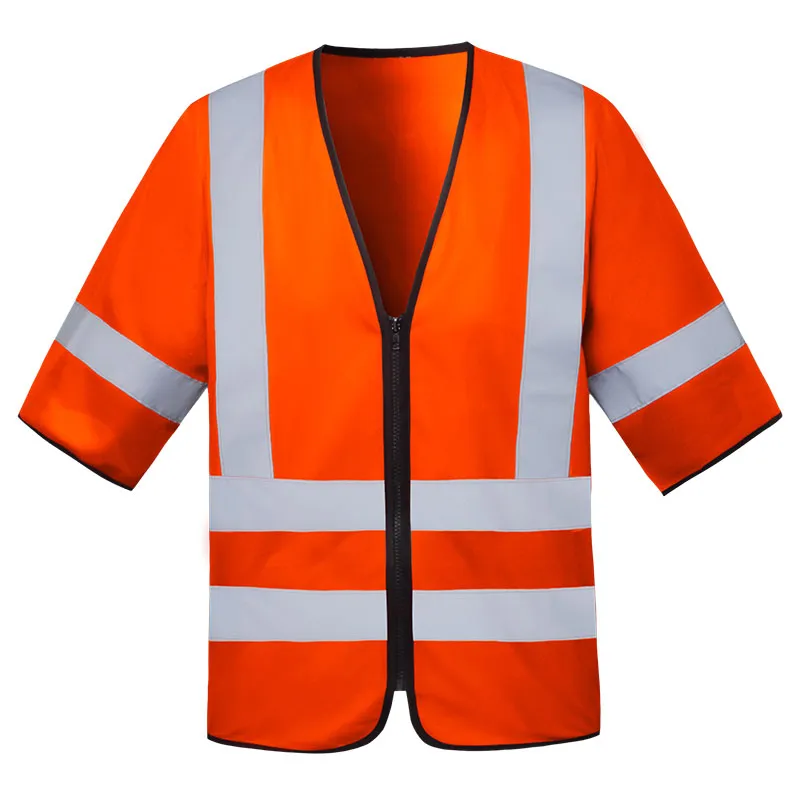
A high-visibility label does not establish flame resistance. If your workers need traffic visibility and thermal protection at the same time, review the ANSI 107 hi-vis clothing guide alongside the FR requirements.
When does OSHA require flame-resistant clothing?
OSHA 29 CFR 1910.132 requires employers to assess workplace hazards, select suitable PPE, certify the assessment in writing, and train affected employees.
OSHA 29 CFR 1910.132 sets the general PPE duties. The employer must determine whether hazards are present or likely, select protective equipment, communicate the decision, and ensure proper fit. A written certification must verify the assessment.
Industry-specific rules go further. Under OSHA 29 CFR 1910.269, which covers electric power generation, transmission, and distribution, the employer must assess flame and electric-arc hazards and estimate the available incident heat energy.
Where the estimate exceeds 2.0 cal/cm², section 1910.269 generally requires arc-rated clothing and other protection rated at or above the estimated energy. The rule also requires an FR outer layer in certain conditions involving energized parts above 600 volts, ignitable materials, molten metal, or faulted conductors.
OSHA has issued enforcement guidance for oil and gas drilling, well servicing, and production operations with flash-fire potential as well. In every case, the duty follows the actual task and hazard, not the employee's job title.
What does NFPA 2112 cover?
NFPA 2112-2023 covers flame-resistant clothing for industrial personnel exposed to short-duration thermal events from fire, commonly called flash-fire hazards.
NFPA 2112 is a product standard. It defines garment design, materials, testing, labeling, and certification for the specified industrial flash-fire exposure.
It matters wherever a flammable gas, vapor, or dust cloud could ignite and briefly expose personnel to flame and intense heat. After a site-specific assessment, that can include oil and gas, petrochemical, and certain combustible-dust environments.
NFPA 2112 is not a universal badge for every heat hazard. It does not replace the standards for:
- Electric-arc exposure
- Structural firefighting
- Molten-substance or chemical-splash protection
Its companion, NFPA 2113, addresses selection, care, use, and maintenance of these garments. The two documents do different jobs: one says what the garment must meet, the other says how an organization selects and manages it.
Your purchasing file needs evidence tied to the finished garment. A fabric brochure that mentions an NFPA test is not that evidence.
What does NFPA 70E require for electrical work?
NFPA 70E-2024 addresses electrical safe-work practices and helps organizations select arc-rated PPE after evaluating shock and arc-flash risk.
NFPA 70E is a consensus standard for electrical safety in the workplace. It is not a garment manufacturing specification, and it should never appear on a product as though it were a clothing certification mark.
The employer's electrical safety program decides when energized work is justified, performs the risk assessments, and applies the hierarchy of risk controls. PPE comes into play only after elimination, de-energization, and the other controls have been addressed.
For arc-flash protection, an organization may use an incident-energy analysis or the task-based PPE category method under the conditions the standard sets. The selected clothing system must meet the applicable requirements and be worn correctly.
An "NFPA 70E shirt" is therefore incomplete language. Ask the supplier for:
- ASTM F1506 compliance where applicable
- The garment or system arc rating in cal/cm²
- Labels and reports that connect the rating to the exact product
The 2024 edition is the current published edition referenced here. Confirm which edition your workplace program uses; writing an undated standard into a multi-year contract invites disputes later.
How does ASTM F1506 apply to arc-rated garments?
ASTM F1506 defines performance and design requirements for flame-resistant, electric-arc-rated protective clothing worn by workers exposed to momentary arcs.
ASTM F1506 covers textile materials and garments intended for basic occupational protection against momentary electric arcs and related thermal hazards. It ties together flame resistance, arc rating, garment construction, and labeling requirements.
ASTM F1959/F1959M supplies the laboratory method for the material arc rating. That result applies to the tested material or multilayer system only. Change the fabric weight, finish, or layer combination and an assumption borrowed from another report may no longer hold.
OSHA's Appendix E to 1910.269 adds an important warning about ATPV: at an exposure equal to the ATPV-based arc rating, the model represents a 50 percent probability of reaching the onset of a second-degree burn beneath the material. Matching the arc rating to the estimate does not mean zero injury.
The protection system must also cover the relevant body areas and work together with head, face, hand, and foot protection. Clothing cannot address shock or electrocution; electrical insulating equipment has its own separate requirements.
What do ASTM F1930 and ASTM D6413 prove?
ASTM F1930 evaluates clothing on an instrumented manikin in a simulated flash fire; ASTM D6413 measures a fabric specimen's vertical-flame response.
ASTM F1930 exposes single-layer garments or ensembles to a controlled flash-fire simulation on an instrumented manikin. Sensors estimate heat transfer and predicted burn injury for that particular garment, exposure, and test configuration.
The method is complex, and it does not produce a universal real-world burn prediction. Body movement, different postures, and different exposure conditions all change the outcome.
ASTM D6413/D6413M measures afterflame, afterglow, and char length after a specified vertical flame exposure. It is a test method, not a complete occupational garment standard. A fabric with a favorable D6413 result has not thereby met NFPA 2112 or ASTM F1506.
Treat claims like "D6413 certified" as a red flag until the supplier explains exactly what was tested and which performance specification applies. The test report should state:
- Standard edition and specimen conditioning
- Fabric identification and care preparation
- Measured afterflame, afterglow, and char results
Final approval must connect test-method results to the complete standard your hazard assessment requires.
Can ordinary cotton or polyester be worn under FR clothing?
Untreated cotton can still ignite, and exposed meltable synthetics can make an injury worse. Every layer has to be evaluated against the assessed hazard.
Cotton is not flame resistant by default. Given enough exposure, it ignites and keeps burning. OSHA notes that untreated cotton may be acceptable in limited electrical conditions at or below 2 cal/cm², yet other conditions can still require an FR outer layer.
OSHA identifies acetate, nylon, polyester, and polypropylene as meltable fabrics that can worsen injury in relevant electric-arc exposure. These materials can melt, adhere to skin, and transfer heat. The prohibition is hazard-specific and has to be read within the applicable standard and clothing system.
Never throw an ordinary synthetic jacket, rain shell, safety vest, or logo patch over compliant AR clothing without review. The outer item may ignite, melt, or degrade the system's performance. OSHA also warns that non-FR logos and name tags can adversely affect flame-resistant or arc-rated characteristics.
If your uniforms carry branding, run the logo workwear program through the same approval: decoration materials, dimensions, and placement all belong in the protective-garment evidence.
How should FR garments be worn, inspected, and laundered?
After purchase, an FR program has to control correct wear, pre-use inspection, and cleaning per the garment manufacturer's instructions.
Wear the garment as designed: closures secured, sleeves down, protective layers arranged according to the approved system. Rolled sleeves, open fronts, or an unapproved outer layer can expose ordinary clothing or bare skin.
Before each use, inspect for:
- Holes, tears, worn areas, and damaged closures
- Contamination that may affect protection
- Unauthorized repairs, alterations, or decoration
Damaged or questionable garments come out of service under the employer's process. A fixed retirement date should not replace inspection unless the product or program specifically requires one.
Laundering must follow the garment manufacturer's instructions and the applicable care program. Residual flammable contamination, the wrong bleach or detergent, or an unapproved fabric softener can affect performance, depending on the textile technology. Repairs must preserve the protective design and materials.
OSHA 1910.132 also requires training on PPE limitations, care, maintenance, useful life, and disposal. Handing out garments without that training leaves the protective-clothing program incomplete.
What belongs in a US buyer's FR workwear specification?
A sound FR specification connects one identified workplace hazard to the applicable standard, garment rating, certification, and approved care process.
Do not start with fabric color or pocket count. Start with the employer's written hazard assessment, and establish whether the concern is electric arc, flash fire, or another thermal event.
The technical section should state:
- Standard and edition, such as NFPA 2112-2023 or ASTM F1506
- Required certification or test documentation
- Arc rating, garment type, coverage, sizes, and compatible layers
Then add fabric code, color, seams, closures, reflective materials, labels, traceability, care instructions, and permitted decoration. If high visibility is required, document the ANSI/ISEA 107 type and class separately; the OSHA high-visibility clothing guide explains why visibility and flame protection are independent functions.
Require evidence from the exact finished garment configuration. A report for untreated fabric cannot support a treated garment, and a report for one multilayer system cannot simply be assigned to another.
How should buyers source flame-resistant workwear?
Do not authorize a 100-piece production lot until the protective standard, test evidence, and finished-garment configuration have all been approved.
TB Uniform manufactures custom workwear in Istanbul, Turkey, and exports to North America. It has no US factory, office, warehouse, or local stock. The minimum order is 100 pieces per color and model, with monthly capacity of up to 50,000 pieces depending on product group.
A protective-workwear inquiry should include the employer's hazard assessment, the required standard edition, garment type, rating, certification route, fabric and trim restrictions, reflective components, labels, and care process. A standard workwear quotation is not evidence of FR or AR compliance, and should never be treated as such.
Samples normally take 5 to 7 business days after the technical requirements and suitable materials are confirmed. Production and delivery generally take 4 to 6 weeks after order approval. No protective claim goes on a label or specification until the required conformity evidence applies to the final garment.
For non-protective garments in the same corporate wardrobe, colors and branding can be coordinated through a bulk employee work-uniform program, with PPE records kept separate.
You can contact TB Uniform for a sample and quote.
Frequently Asked Questions
Is all flame-resistant clothing arc rated?
No. Arc-rated clothing must be flame resistant and must also carry an arc rating determined through applicable electric-arc testing. An FR garment developed for industrial flash-fire exposure may have no arc rating at all. Verify the hazard, the performance standard, and the product label instead of treating FR and AR as interchangeable terms.
What is an arc rating in cal/cm²?
An arc rating expresses the incident thermal energy associated with a material or clothing system's controlled arc-test performance, reported as ATPV or EBT. It does not protect against electric shock and does not guarantee zero injury. Employers select protection through the applicable hazard assessment and work-practice requirements.
Does NFPA 2112 cover electrical arc flash?
NFPA 2112 addresses flame-resistant clothing for industrial personnel exposed to short-duration thermal events from fire. It is not the primary clothing standard for electric-arc exposure. Electrical programs commonly rely on NFPA 70E for safe-work practices and PPE selection, ASTM F1506 for apparel performance, and ASTM F1959/F1959M for material arc ratings.
Is ASTM D6413 enough to approve an FR garment?
No. ASTM D6413 measures the vertical-flame response of textile specimens: afterflame, afterglow, and char length under defined conditions. It is not a garment certification or an occupational performance specification. Approval should rest on the full applicable standard, such as NFPA 2112 or ASTM F1506, plus finished-product evidence.
Who is responsible for selecting FR workwear?
The employer. OSHA requires the employer to assess workplace hazards, select PPE that protects against the identified conditions, communicate the decision, ensure fit, and train employees in PPE use and limitations. Suppliers can provide test reports, certification records, and product information, but they cannot perform the employer's site-specific hazard assessment.
Can a company embroider a logo on arc-rated clothing?
Possibly, but the material, size, placement, and attachment method must be reviewed against the garment specification and applicable rules. OSHA warns that non-FR logos and name tags can affect arc-rated or flame-resistant performance. Get written approval before decoration and keep the approved configuration in the product file.
Alt Texts
- Safety manager comparing NFPA 2112 and ASTM F1506 labels on flame-resistant workwear
- Arc-rated shirt label showing a protective rating in calories per square centimeter
- Industrial worker inspecting closures and reflective trim on an FR coverall before use