How do you choose a bulk supplier for hotel staff uniforms?
Start with the program, not the price list. Map every role to garment models, fabrics, measurements, branding, laundering, and replenishment needs, then compare suppliers against that brief. At TB Uniform, custom production starts at 100 pieces per color and model. A sample usually takes 5-7 business days, and production plus delivery runs about 4-6 weeks after written approval.
Which hotel departments need separate uniform specifications?
A full-service hotel program usually covers at least 6 groups: front office, housekeeping, food service, engineering, security, and management.
Each department moves differently, launders differently, and meets guests differently. One design for every employee rarely survives contact with daily operations, so build a role-and-garment matrix before anyone talks fabric.
| Department | Possible garments | Main specification priorities |
|---|---|---|
| Front office | Shirts, blouses, trousers, skirts, jackets | Brand presentation, fit, indoor comfort |
| Housekeeping | Tunics, polos, trousers, aprons | Movement, pockets, laundering |
| Food and beverage | Shirts, vests, aprons, trousers | Service role, wash process, identification |
| Kitchen | Chef jackets, trousers, aprons | Heat, closures, hygiene, laundering |
| Engineering | Work shirts, trousers, jackets | Movement, pockets, task requirements |
| Management | Shirts, blouses, jackets, trousers | Coordinated style, fit, guest contact |
Kitchen apparel deserves its own technical review. The wholesale chef uniforms guide covers jacket construction, kitchen heat, laundering, and outer-clothing rules for food employees.
How can different uniforms share one hotel identity?
A coordinated collection rests on 4 shared elements: color palette, branding, fabric family, and repeated design details.
Departments do not need identical garments to look like one team. Repeatable piping, buttons, collar shapes, logo treatment, or coordinated colors carry the visual thread.
The uniform brief should settle:
- Primary and secondary colors
- Logo versions
- Department identifiers
- Guest-facing versus operational models
- Formality level
- Seasonal layers
- Property-specific variations
- Replacement-stock strategy
Every extra color or model multiplies minimum orders, size inventory, and reorder complexity. Under TB Uniform's MOQ, each color and model requires at least 100 pieces, so smaller departments often share a common garment base and differ only in approved department embroidery.
Which garment details matter for housekeeping teams?
Judge a housekeeping uniform against 6 movements: reaching, bending, kneeling, pushing, lifting, and walking through a full shift.
The tunic, polo, shirt, or trouser has to hold up during normal duties without pulling open, restricting movement, exposing the lower back, or spilling pocket contents.
Review garment length, shoulder and arm mobility, trouser rise and waist, pocket dimensions and security, closure placement, side or back vents, sleeve length, compatibility with gloves or aprons, fit while pushing carts, and how the fabric behaves after repeated laundering.
Engineering and maintenance staff need a separate task review. The industrial workwear supplier guide explains pocket loads, reinforcement, machinery interaction, climate, and where ordinary uniforms end and PPE begins.
Which fabric and laundry details should hotels define?
A fabric brief should pin down at least 8 variables: composition, weight, stretch, shrinkage, colorfastness, abrasion, pilling, and care process.
"Luxury fabric" and "easy care" are not measurable terms. Document the expected wash method, drying, pressing, stain treatment, and how often garments are issued, then specify fiber content, fabric weight and structure, stretch and recovery, opacity, dimensional stability, colorfastness, abrasion and pilling resistance, crease recovery, care instructions, and decoration durability.
Housekeeping, kitchen, reception, and management garments may each need a different fabric. The approved colors should still read as one palette.
TB Uniform can address project requirements involving OEKO-TEX, GOTS, REACH, and ISO 9001. The selected material, supplier document, product class, certificate scope, and validity must be verified for each project; these references are not blanket certifications covering every hotel garment.
How should hotel uniform sizes be planned?
Two documents drive size planning: an approved garment measurement chart and a quantity matrix built from actual employees.
Generic S, M, and L labels are not enough for custom production. Each model needs garment measurements, grading increments, tolerances, and a defined measurement method.
The fitting process should account for the movement each role requires, garments worn underneath, sitting and standing postures, extended-size proportions, maternity needs, employees who require adaptive closures or construction, seasonal layers, and stock for replacements and onboarding.
The EEOC disability guidance notes that an employer may apply a dress code while reasonable accommodation may be appropriate when a disability makes compliance difficult; it includes an example of an adapted employer-provided uniform. Accommodation decisions belong to the employer. The garment program simply needs enough flexibility to support approved alternatives without recording employee medical details.
Should religious dress and grooming be considered?
A hotel uniform policy should include 1 documented accommodation path for requests involving sincerely held religious dress or grooming practices.
The EEOC religious accommodation fact sheet explains that Title VII may require reasonable adjustments to dress or grooming rules unless accommodation would create undue hardship.
A program can prepare for approved variations in sleeve or garment length, trouser or skirt options, head coverings, neck coverage, layering pieces, grooming-related PPE compatibility, and alternative closures.
Customer preference alone is not a sufficient reason to segregate an employee or deny a religious accommodation. Individual requests belong with HR, legal, safety, and operational procedures.
How should hotel logos and staff identification be applied?
A branding package needs 5 approved inputs: vector artwork, dimensions, colors, placement, and exact department wording.
TB Uniform handles printing and embroidery in-house. Branding can identify the hotel, property, department, role, or individual employee.
The approval document should record logo size, thread or print colors, placement measured from fixed points, department and title format, employee-name spelling, main and size labels, and packaging or distribution labels.
One caution: personalized names make spare garments harder to reassign. Decide early whether employee names, removable name badges, or department-only embroidery best fits your turnover and replenishment reality. The custom embroidered work shirts guide adds detailed controls for artwork, placement, and personalization.
Which US apparel rules should be reviewed?
Covered textile uniforms commonly require 3 basic disclosures: fiber content, country of origin, and responsible manufacturer or dealer identity.
The FTC apparel-labeling overview explains these federal disclosure areas.
The FTC Care Labeling Rule guidance identifies hotels and motels among institutional buyers that may fall within the commercial-use exemption. Confirm that the garments are sold to the institution for employee use and that your actual ownership and distribution model satisfies the exemption.
The CPSC clothing business guidance addresses the 16 CFR Part 1610 general wearing-apparel flammability standard. That standard does not establish occupational flame resistance.
Importers should obtain qualified compliance review for the exact garment, labels, claims, and distribution channel.
How should replenishment and property distribution work?
A multi-property uniform program should track at least 7 fields: property, department, model, color, size, employee status, and stock balance.
The initial order should cover confirmed employee requirements plus a reasoned allowance for onboarding, damage, seasonal demand, and turnover. One arbitrary spare percentage applied to every department usually leaves some closets empty and others overstocked.
A useful inventory record includes:
- Product code
- Property
- Department
- Model
- Color
- Size
- Personalization
- Issue date
- Available stock
- Reorder point
Future production remains subject to the applicable MOQ, fabric availability, color continuity, and production scheduling. Keep the approved color references, technical packs, measurement charts, artwork, labels, and sample records; they are the only reliable way to repeat an order.
Programs spanning many properties or garment families can borrow the specification, quality, and documentation framework from the contract manufacturing apparel guide, although medical-product requirements do not apply to ordinary hotel uniforms.
How do sampling and bulk production work?
A custom hotel uniform project follows 6 stages: role mapping, specifications, quotation, sampling, written approval, and scheduled production.
TB Uniform was founded in 2004 and manufactures in Istanbul, Turkey. It exports to Europe and North America and can produce up to 50,000 pieces per month depending on product type, materials, order mix, and scheduling.
A sample generally takes 5-7 business days once measurements, materials, artwork, and other required inputs are confirmed. Check every model for fit, movement, fabric, construction, branding, labels, and care performance before signing off.
Production and delivery generally require 4-6 weeks after approval. Material availability, model count, personalization, revisions, packaging by property or employee, freight, and customs can shift the final calendar.
For a project-specific review, send TB Uniform a quote request with the property and department matrix, garment drawings, measurements, quantities by size and color, laundry brief, branding files, packing plan, destination, and required delivery date. Current prices, sample charges, available hospitality fabrics, payment terms, Incoterms, freight, duties, packing costs, replenishment terms, and size surcharges all require a project-specific quotation.
What do hotel uniform buyers ask?
What is TB Uniform's minimum order for hotel uniforms?
TB Uniform's minimum order is 100 pieces per color and model. Shirts, blouses, trousers, skirts, jackets, tunics, and aprons count as separate models, and additional colors or constructions may create further production blocks. Provide quantities by property, department, model, color, and size.
Can one project include uniforms for several hotel departments?
Yes. One project can coordinate front office, housekeeping, food service, kitchen, engineering, security, and management garments. Each color and model is evaluated separately against the minimum order. Shared branding, colors, labels, and packaging tie the collection together without making every garment identical.
Can several sizes be included in one model?
Multiple sizes may be planned within an approved color-and-model block, subject to pattern availability and project confirmation. Supply size quantities, including extended sizes, and approve measurements, grading, tolerances, fit, and any size-related commercial differences before bulk cutting.
Can hotel logos and employee names be embroidered?
Yes. TB Uniform handles embroidery and printing in-house. Provide authorized artwork, dimensions, colors, placement, title rules, and verified name data. Consider whether individual names or reusable badges better support turnover, reassignment, and replacement stock.
How long do hotel uniform sampling and production take?
A custom sample generally takes 5-7 business days after required inputs are confirmed. Production and delivery generally require 4-6 weeks after written approval. Model count, material availability, personalization, revisions, packing, freight, and customs may change the confirmed schedule.
Are ordinary hotel uniforms protective PPE?
Not by default. A uniform's color, coverage, or workwear appearance does not establish protection against flame, chemicals, traffic, biological material, or any other hazard. Protective equipment requires a hazard assessment, applicable criteria, suitable design, testing, labels, documentation, and finished-product verification.
Image alt text recommendations
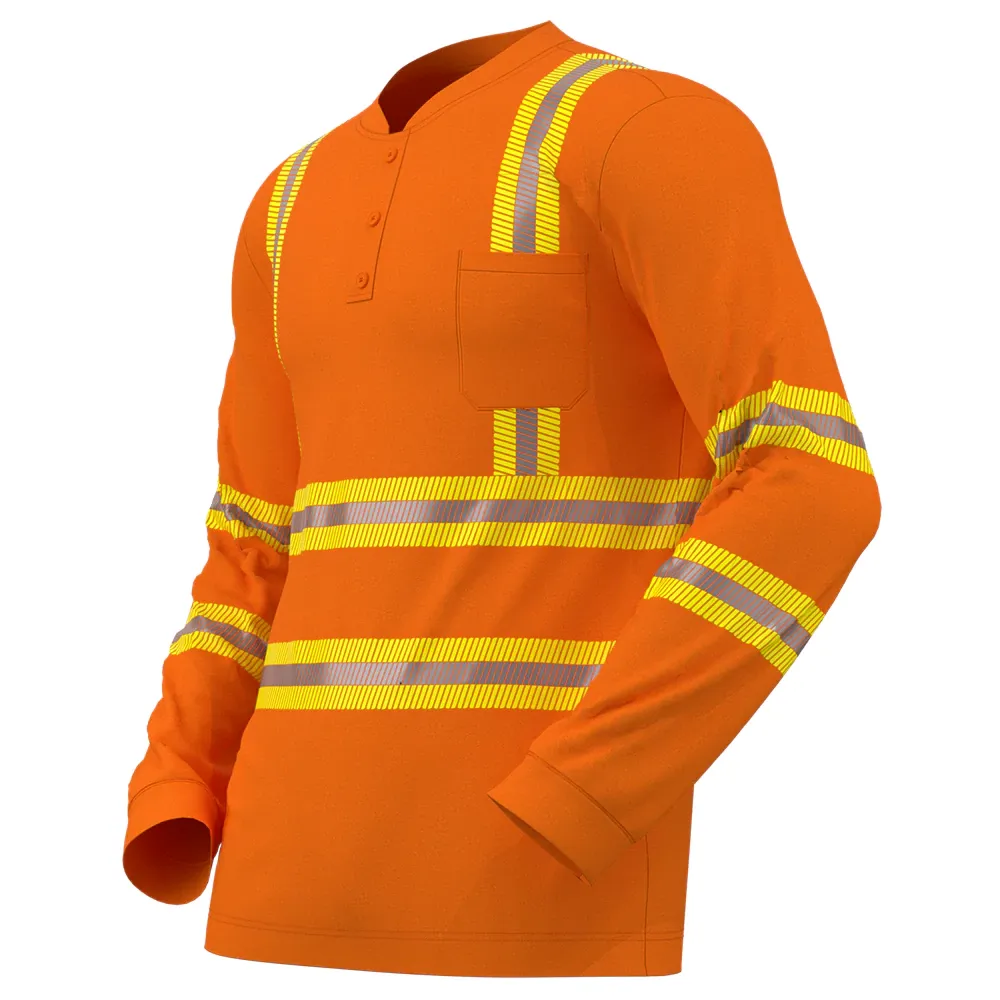
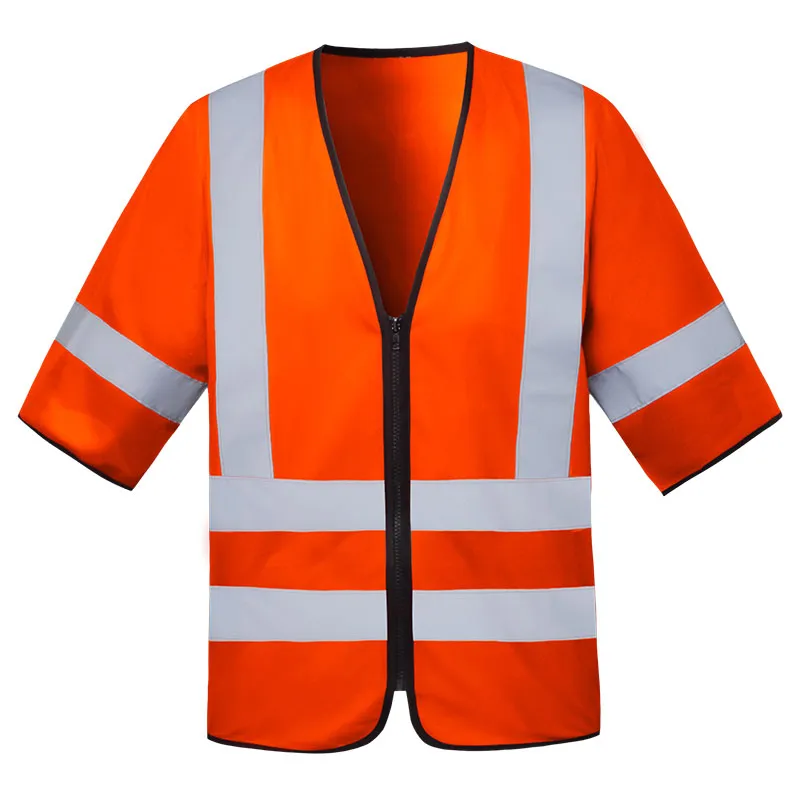
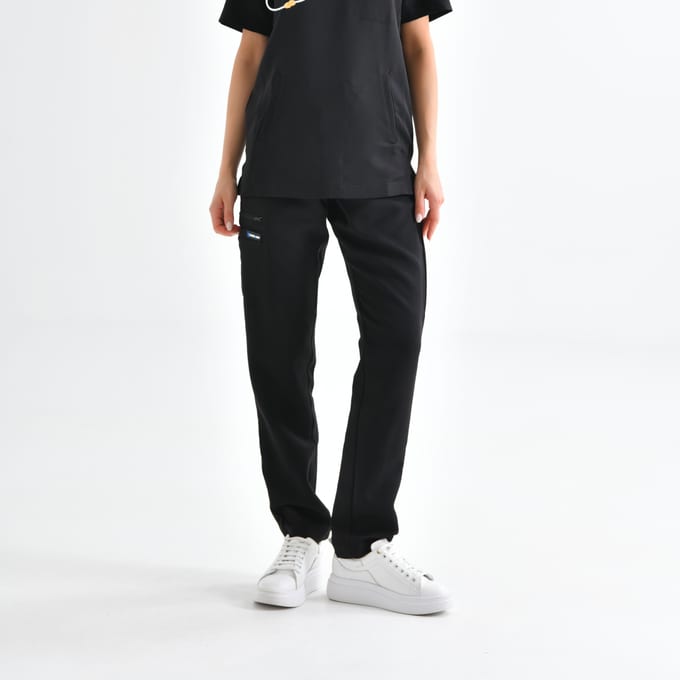
- Coordinated bulk hotel staff uniforms for reception, housekeeping, food service, engineering, and management arranged by department and size.
- Hotel uniform role-and-garment matrix sample showing department, model, color, and size columns.
- Embroidered hotel logo on a front-office shirt with department wording below the crest.