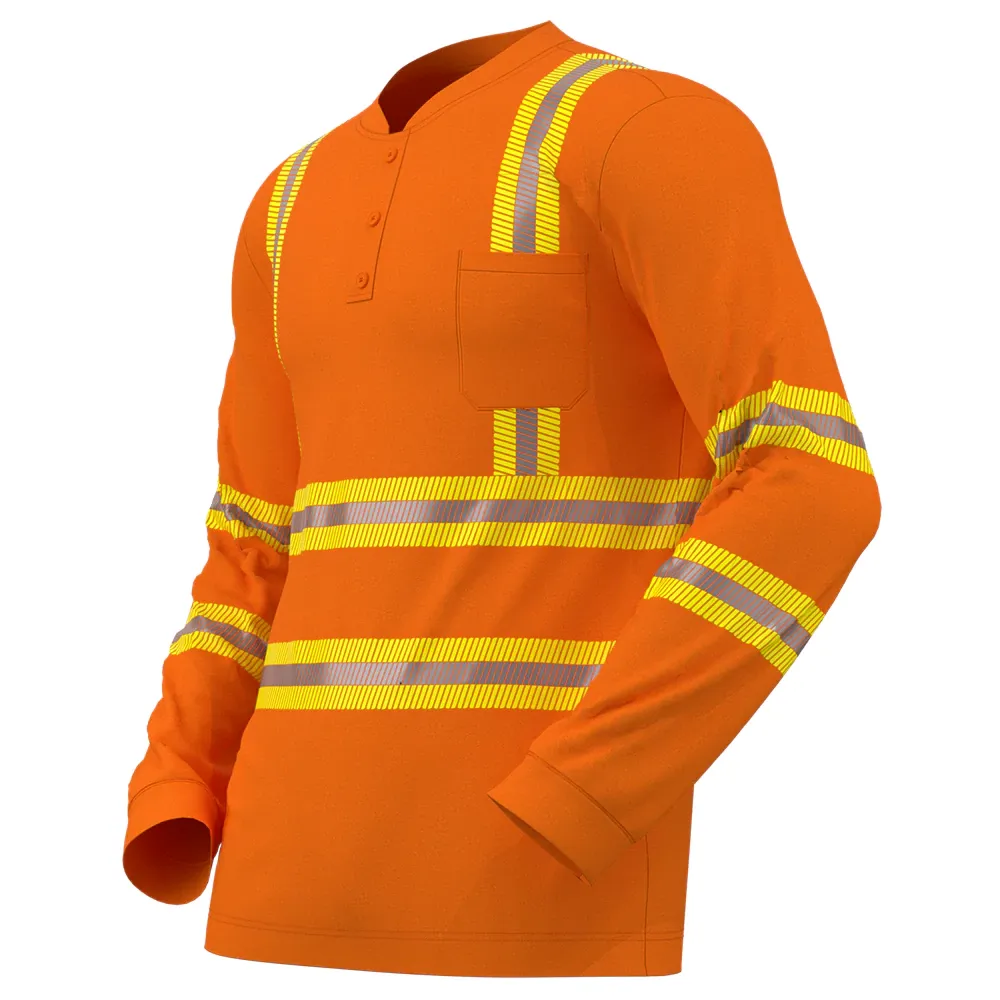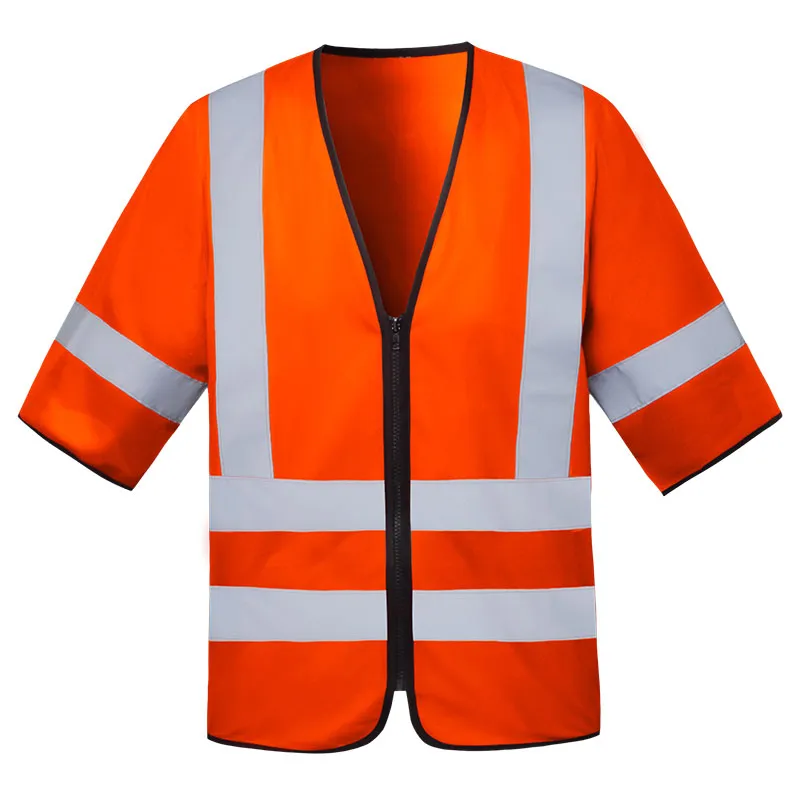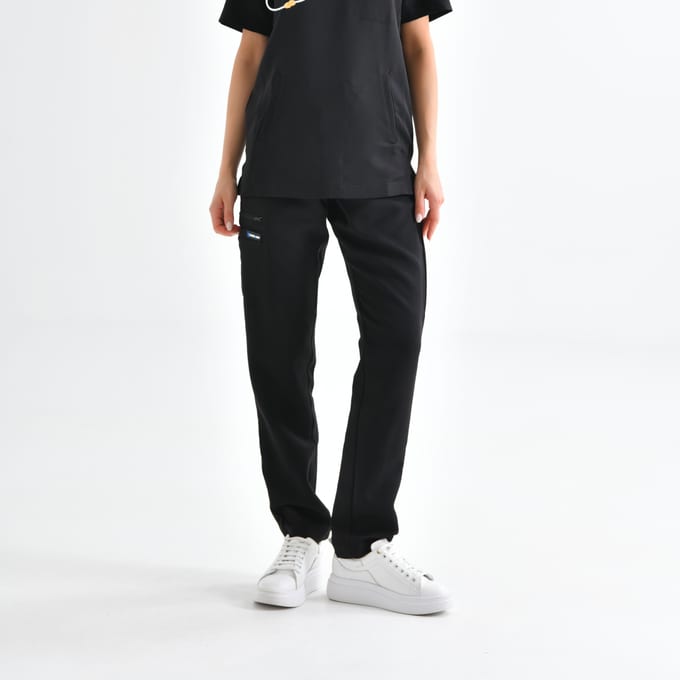
How to Order and Inspect Workwear Samples Before Bulk Production
One sample rarely proves an entire order works. A single piece in a single size confirms style, fabric, and color. It doesn't confirm fit across the full size run, or whether the garment holds up on the job. That's why serious buyers work through at least three sample stages before committing to production: a design sample, a size set, and a pilot run. Once the technical brief is locked, TB Uniform typically builds a first sample in 5-7 business days.
What Types of Workwear Samples Exist?
Four sample types answer four different questions: fabric swatch, design sample, size set, and pilot batch.
| Sample type | Confirms | Does not fully confirm |
|---|---|---|
| Fabric swatch | Material, color, hand, and weight | Cut and fit |
| Design sample | Style, construction, and branding | Full size range |
| Size set | Grading and fit across sizes | Long-term daily wear |
| Pilot batch | Real-world use, care, and rollout | Full bulk-run quality |
A fabric cutting is often mistaken for a complete product sample, but it says nothing about how seam, pocket, and pattern behave together. A design sample built from a substitute material only validates construction. Treating it as a final production reference requires the actual fabric, color, trim, measurements, and branding you intend to ship.
What Does the Manufacturer Need Before Building a Sample?
An incomplete brief produces a sample that's neatly sewn but useless as a bulk-approval reference. Lock these down before production starts:
- Application and job tasks
- Workwear or certified protective clothing
- Technical drawing or reference style
- Fabric composition and required properties
- Base and accent colors
- Sample size
- Measurement chart
- Pockets, closures, and trim
- Logo as a vector file with print or embroidery position
- Intended care procedure
- Destination market and labeling language
- Planned bulk order quantity per style and color
Treat every open item as a documented assumption before work begins, not as something to argue about once the sample arrives. For larger corporate collections spanning multiple roles, the corporate uniform program guide covers role and design planning in more depth.
What Should a Design Sample Review Cover?
"Looks good" isn't a review. A checklist that turns deviations into measurable items is. Six areas cover the ground that matters:
| Review area | Example |
|---|---|
| Silhouette | Length, ease, proportion |
| Material | Fabric, color, weight, hand |
| Measurements | Defined points and tolerances |
| Construction | Seams, bartacks, closures |
| Function | Pockets, movement, quick-release |
| Branding | Position, size, color |
"Move the pocket up a bit" can't be reproduced. "Shift the pocket opening 20mm higher" can. Every defect gets logged with a photo, a measurement, and the requested fix, and the sample itself carries a style code, version number, and date. Without that, no one can say later which variant was actually approved.
How Should a Size Set Be Tested?
Leisurewear sizing or another brand's size chart isn't a safe reference; only the manufacturer's own measurement chart is. Fitting should cover common mid-range sizes plus outlier sizes, different body shapes, and, where relevant, women's, men's, and unisex patterns.
A workable size set covers at least three body zones (upper body, hip, leg) against five core work movements: bending, kneeling, reaching, sitting, and twisting. Document the size worn, the relevant measurements, shoulder/chest/waist/hip fit, sleeve and leg length, movement with loaded pockets, and how the garment layers with footwear and other clothing. A size set shouldn't circulate as a reference without written sign-off tying it to a specific style and measurement-chart version.
Which Movements Belong in the Wear Test?
A physical therapist needs a different test than a line cook, a field technician, or a housekeeping worker. The movement sequence has to come from the actual job, not a generic list. As a starting point, none of these should cause pulling, gapping, riding up, or restriction:
- Both arms raised above shoulder height
- Deep forward bend
- Full squat
- Kneeling on one knee
- Torso twist to both sides
- Stairs or ladder simulation
- Sitting in a vehicle or at a workstation
- Retrieving a tool from every pocket
- Quick-opening the jacket or top layer
For industrial settings, the industrial workwear supplier comparison walks through how to build the task-and-hazard matrix that a sample plan should be based on.
How Do You Evaluate Fabric and Care Performance?
A single home-style wash test doesn't prove a garment survives industrial laundering. The actual wash and dry procedure needs to be fixed before testing starts. Compare the same measurement points before and after care, alongside color change, shrinkage or stretch, pilling and abrasion, seam distortion, waviness at the zipper or button placket, how embroidery and print hold up, and whether snaps and trim still function.
Buyers shipping into the EU market should note that EU Regulation 1007/2011 sets requirements for textile fiber naming and labeling. If a sample is meant to serve as the bulk reference, it should show the actual label content and placement. Buyers selling into other markets should confirm their own applicable labeling rules separately; this regulation governs the EU, not other destinations.
How Do You Approve Logo, Print, and Embroidery?
A digital mockup doesn't settle it. Only a physical application shows whether a logo stays legible on the chosen fabric, holds the right size, and doesn't distort the material. A usable approval needs at minimum the application method, position, dimensions, color, and a reference point on the garment, plus the vector file version, thread or ink colors, and how the branding renders on both light and dark fabric.
TB Uniform runs embroidery and printing in-house, which means branding gets checked alongside fabric, cut, and care behavior in the same pass. For lab-coat-specific printing questions, lab coat printing guide builds on this general sample process.
What's Different About PPE Samples?
A physical sample's appearance alone doesn't prove protective performance. EU Regulation 2016/425 on personal protective equipment requires clear product identification, CE marking, a declaration of conformity, comprehensible instructions for use, and the applicable performance data. This framework governs the EU market specifically. A PPE sample review also needs to confirm it matches the certified reference model exactly, that the sample size falls within the certificate's scope, that the standard and performance class are correct, that any planned personalization is approved, and that marking and protective surface areas remain unchanged.
A one-off sample with substitute fabric, an added pocket, or an unauthorized logo doesn't automatically inherit a certified base model's paperwork. Buyers outside the EU should verify the specific PPE regulations that apply in their own destination market before treating any sample as a compliance reference. Don't assume a regulation from one market transfers to another.
How Does a Pilot Batch Work?
Once design and sizing are approved in principle, a pilot batch shows whether issuing, wearing, laundering, and feedback collection actually hold up under real conditions, typically with at least two roles or representative user groups over a fixed wear-and-care cycle. The pilot log should capture employee code and role, style and size, wear duration, movement and comfort, pocket function, heat and moisture sensation, care outcome, damage, size feedback, and a final approval or revision decision. Not every individual style preference justifies a change; recurring problems with movement, fit, care, or function do.
What Does a Written Bulk-Production Release Look Like?
ISO 10013:2021 provides guidance on developing and maintaining documented information, and a version-controlled release form is a practical way to apply it to sample approval. The form should record the style code and name, sample and version number, fabric reference and color, approved measurement chart, logo and label data, photos of the reference sample, approved corrections, production quantity per size, approval date, and the name and role of the approver. Open items shouldn't stay scattered across email threads, and any approved change earns the specification a new version.
What Belongs in a Sample Cost Comparison?
A cheap-looking sample tells you little if it's not built from bulk-run material or doesn't carry final branding. Compare the sample's type and purpose, whether it uses original or substitute material, what logo application is included, how many sizes are covered, the number of planned revisions, shipping cost, any testing or documentation fees, whether the cost credits against a later bulk order, and what happens to the reference sample afterward: returned or archived.
Sample cost, shipping cost, and any credit toward a bulk order are project-specific and should be confirmed in writing before production starts.
How Does the Sample Process Work at TB Uniform?
TB Uniform was founded in 2004 and manufactures in Istanbul, Turkey, with custom patterns, colors, styles, and private-label runs available project by project, plus in-house printing and embroidery. Once the technical brief is fully locked, a sample typically ships within 5-7 business days; bulk production only starts after written approval and usually takes 4-6 weeks from there to delivery. The minimum order for the bulk run is 100 units per color and style, and monthly production capacity can reach up to 50,000 pieces depending on the product category.
TB Uniform exports to Europe and North America, so destination market, labeling, documentation, and any required conformity evidence should be part of the sample brief from the start. With a technical drawing, fabric choice, sample size, logo, and planned bulk quantity in hand, TB Uniform can scope the right sample package.
Frequently Asked Questions
How long does a workwear sample take at TB Uniform?
Once the technical brief is fully locked, with style, material, color, size, and logo clearly defined, a first sample typically takes 5-7 business days. Additional size samples, care tests, or revisions extend the approval phase accordingly. After bulk approval, production and delivery usually take 4-6 weeks.
Is one sample enough for a large order?
A single sample confirms design, material, construction, and branding, but it doesn't represent the full size range. Larger teams need a representative size set, and orders spanning multiple roles or work environments often need a pilot batch as well. Order size and risk determine which sample stages are actually necessary before bulk approval.
What size should the first sample be?
Usually a mid-range size that's representative of the target wearer group, tied explicitly to the intended measurement chart. If a large share of the workforce falls outside that mid-range, outlier sizes should be brought in early. Women's, men's, and unisex patterns often need separate samples, since fit doesn't transfer directly between them.
Can an approved sample be changed afterward?
Yes, but changes need to be documented as a new version and re-evaluated. Fabric, measurements, pockets, closures, or branding shouldn't shift quietly. For PPE, changes can also affect protective performance and compliance. Bulk production should start only after the final specification and a clearly marked reference sample are both approved.
Is a sample automatically free?
No. Cost depends on the product, pattern development, original material, branding, number of sizes, testing, and shipping. Some projects credit sample cost against a later bulk order, but that's never a default. Sample cost, payment terms, shipping, and revisions need written confirmation in the quote before production begins.
Recommended Alt Text
- Workwear sample on a measuring table with tape measure and fabric swatch card
- Design sample marked with style code, version number, and inspection points
- Logo embroidery and print application being checked on a workwear sample
- Signed bulk-production approval form with reference sample photos attached