Building a Hotel Uniform Program by Department
Front desk staff, housekeepers, and line cooks share an employer, not much else. A hotel bulk order works better when it's treated as at least seven separate role packages (reception, concierge, housekeeping, restaurant service, kitchen, spa, and technical/maintenance) rather than one garment stretched across every job. A shared visual identity still has to hold the property together across those roles. Getting there means fixing the style, fabric, size range, exchange sets, logo placement, seasonal needs, and packing target for each department before a single quantity goes into a quote, and running a pilot sample before production so movement and care don't lose out to how a garment photographs on a hanger.
Why departments need separate uniform specs
Shared base garments only make sense where the actual work overlaps, not wherever it would be administratively convenient.
| Department | Typical garments | Primary requirement |
|---|---|---|
| Reception | Blouse, shirt, trousers, jacket | Presentation and seated comfort |
| Concierge and porters | Jacket, shirt, trousers, outer layer | Mobility and brand presence |
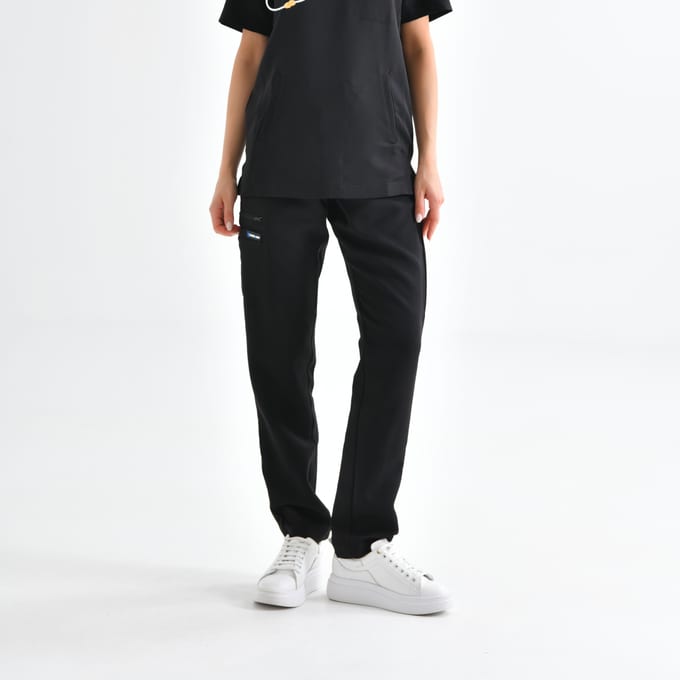
| Housekeeping | Tunic, polo, trousers | Ergonomics and easy care |
| Restaurant service | Shirt, blouse, apron | Movement and guest contact |
| Kitchen | Chef jacket, chef trousers, apron | Heat, hygiene, and splash resistance |
| Spa and wellness | Tunic, polo, trousers | Skin feel and flexibility |
| Technical/maintenance | Work jacket, trousers, polo | Durability and pocket capacity |
| Management | Shirt, blouse, optional blazer | Formal presentation |
Garments can differ by function and still share a color story, logo hierarchy, and repeated construction details. From there, the supplier builds a style matrix: one trouser style might cover both reception and management, while housekeeping and maintenance need their own patterns entirely.
What front-of-house uniforms actually need to cover
A fitting done standing up won't catch the problems a front desk agent runs into during a shift. Shirts, blouses, jackets, and tunics need to stay closed while seated, allow shoulder and back movement, and work as the layered combination they're actually worn in. That means testing at least four situations: standing for long stretches, extended sitting, luggage handling, and direct guest interaction.
The checklist covers seated comfort at the counter, arm movement while reaching and gesturing, jacket length while seated, pockets for cards, pens, or a mobile device, shape retention across long shifts, how the piece layers with seasonal outerwear, and visibility of name and role. Reception and concierge can share a base color and differentiate through jacket, vest, or accent color. Piling on too many individual styles just complicates size and replacement orders later. The broader brand and role architecture is covered in our guide to corporate fashion programs.
What housekeeping uniforms need
The Austrian Labour Inspectorate lists bed-making, luggage handling, cleaning in awkward postures, and heavy laundry carts among the physical demands housekeeping staff face in Austrian hotels, background worth knowing if your property or client operates in the EU. Ill-fitting clothing adds friction to work that's already physically demanding. A workable housekeeping garment needs to support at least six movements without pulling or riding up: bending, kneeling, bed-making, reaching, pushing, and lifting.
Useful features include side vents or stretch panels, adequate back and hip length, a controlled-stretch waistband, pockets that stay closed while bending forward, no loose ties or decorative add-ons, breathable fabric, and a care process that matches how the property actually launders linens and uniforms together. Light-colored fabric should be checked for opacity while stretched, pockets tested with the tools staff actually carry, and hard items shouldn't create pressure points while kneeling or leaning.
Why restaurant and kitchen need separate specs
Guest contact, food hygiene, heat, and splash exposure carry different weight in each area, so restaurant and kitchen stay two distinct specifications rather than one. Service uniforms prioritize mobility, a consistent silhouette, and a controlled appearance. Kitchen uniforms have to account for hot surfaces, liquids, equipment, and food contact on top of that.
For any property operating in the EU, Regulation (EC) No 852/2004 requires people handling food to maintain high standards of personal cleanliness and to wear suitable, clean, and, where necessary, protective clothing. That means uniform planning has to sit inside the hygiene plan: change frequency, contamination handling, separate storage, laundering procedures, issuing clean backup garments, and clear ownership of collection and return. Sourcing specifics for kitchen, service, and bar are covered in more depth in our hospitality workwear wholesale guide.
Spa and technical staff need two separate systems
Skin contact, movement, tools, and potential hazards don't compare between spa and technical roles, so each needs its own uniform system. Spa work often calls for soft-hand fabrics, freedom of movement, and understated branding; where treatments involve products, water, or cleaning agents, hazard assessment and skin protection need separate consideration.
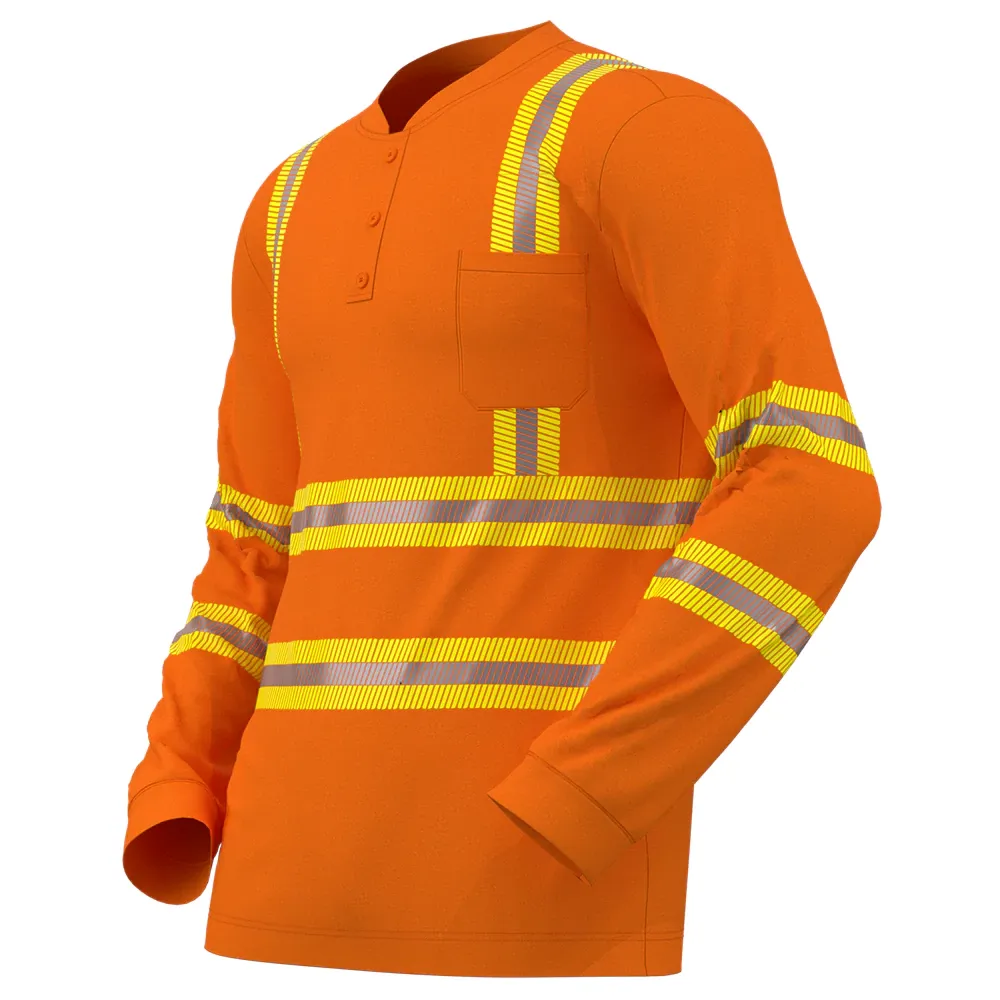
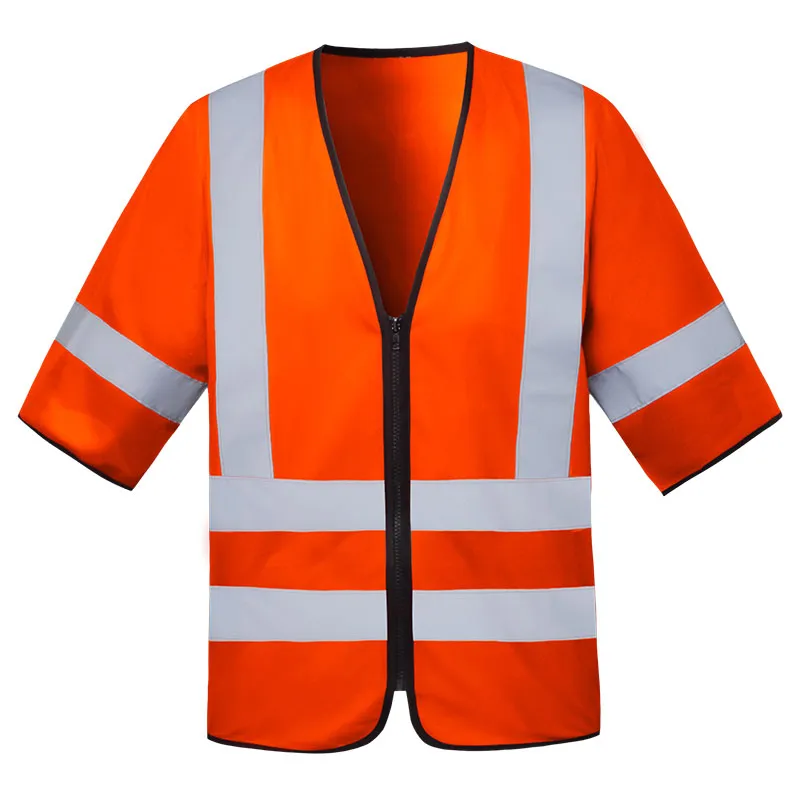
Technical staff generally need durable trousers and jackets, adequate tool pockets, reinforcement at stress points, freedom of movement for kneeling and reaching, an outer or weather layer, and certified protective clothing where the role requires it. Standard hotel corporate wear is not a substitute for required PPE. A navy maintenance uniform with hotel branding isn't automatically flame-, weather-, or hi-vis-rated, and any protective claim needs to be verified at the product level.
From role packages to one hotel collection
A modular hotel collection works across three layers: a shared brand base (core color, logo, name identification), a department layer (shirt, tunic, chef jacket, or work jacket), and a seasonal layer (knitwear, vest, outer jacket, or weather shell). One recurring detail can tie every role together: the same accent trim, a repeated collar shape, consistent logo placement, or a shared button and thread color.
The collection shouldn't hinge on a single fashion-forward piece. Restockable base styles and documented color references matter more than short-lived trends for properties dealing with regular staff turnover.
Sizing, quantities, and approvals
A single unisex style rarely fits every body type across departments. Blouses, shirts, tunics, trousers, and jackets need their own size charts, with tops and bottoms orderable separately. Sizing runs through two checks: matching against the size chart and an active fitting of a department-specific size set that accounts for the actual job: sitting and reaching at reception, kneeling and pushing in housekeeping, climbing and carrying tools in maintenance. Personalized pieces get produced only after size is confirmed; sample types are covered in our guide to ordering workwear samples.
Quantity planning depends on at least five variables: headcount, sets per role, shift pattern, laundry turnaround, and size reserve, summarized as headcount × sets per role + seasonal need + size reserve + replacement stock. Housekeeping and kitchen often need more frequent changes than reception or management; seasonal staff, trainees, and new hotel areas belong in the order matrix alongside location, department, headcount, items per role, size breakdown, staff codes, reserve, and delivery date.
TB Uniform's minimum order quantity is 100 pieces per color and style. A hotel collection spanning many styles and colors can trigger several separate minimums, which is exactly why shared base garments reduce complexity.
Branding, names, and multi-site delivery
A branding system separates at least three pieces of information: the brand logo, the employee's name, and a department or role label. Embroidery gives shirts, blouses, tunics, polos, and jackets a textile finish, though very light fabrics need checking for puckering; printing works better for certain artwork or larger coverage areas. Reception and management can carry more understated marking, while maintenance or housekeeping usually need clearer role identification. TB Uniform runs both printing and embroidery in-house and checks samples for placement, color rendering, legibility, and fabric behavior. With frequent staff turnover, a swappable name badge can be more economical than a permanently embroidered name.
Delivery across multiple properties needs at least five sorting fields (hotel, building, department, employee code, and size) and can be packed as a carton per hotel, per department, a size package per site, an individual package per employee, or a central reserve, with opening and replenishment shipments kept separate. Every additional sorting layer needs a verified order file linking style code, size, name, and destination without ambiguity, and individual packages raise the question of which personal data can appear on the label. Hotel groups also benefit from a central style guide that stops individual properties from introducing their own colors, logos, or unapproved substitute styles.
How a bulk order runs at TB Uniform
A hotel project moves through five approvals: role matrix, collection, fabrics, sizing, and branding/packaging data. TB Uniform was founded in 2004 and manufactures in Istanbul, Turkey, with monthly production capacity up to 50,000 pieces depending on the product type; custom patterns, colors, styles, and private-label work are handled on a project basis.
Once technical specs are fully confirmed, a sample typically takes 5–7 business days. After written approval, production and delivery usually run 4–6 weeks, with variant count, material availability, individual personalization, packaging depth, and destination affecting the confirmed date. TB Uniform exports to Europe and North America. Claims tied to OEKO-TEX, ISO 9001, GOTS, and REACH are assessed per item, and validity and product relevance need confirming before any such claim is used.
A solid quote lists at least eleven line items so departments, personalization, and site distribution don't disappear behind one total price: department, style, fabric, function, care, sizing, logo, names, minimum quantity, packaging, and timeline. Price tiers are only comparable across an identical specification. Other cost factors are covered under B2B tiered pricing for workwear. Once role matrix, size structure, quantities, logo, and site plan are ready, TB Uniform can turn them into a department-based sample and production quote.
Frequently Asked Questions
How many uniforms does a hotel employee need?
It depends on department, working days, exchange frequency, soiling, and laundry turnaround time. Housekeeping, kitchen, and service can need different exchange rates than reception or management. The property first documents pieces per role and person, then layers in seasonal needs, common sizes, staff turnover, and a central replacement stock.
What's the minimum order quantity at TB Uniform?
The minimum order is 100 pieces per color and style. Blouses, shirts, tunics, trousers, and jackets can each form separate styles. Hotel groups should use shared base garments and differentiate departments through approved accents, logos, or name identification, which reduces how many variants need separate production runs.
How long does a hotel uniform sample take?
Once technical specs are fully confirmed, a sample at TB Uniform normally takes 5–7 business days and gets checked in the typical movements of the relevant department. After written approval, production and delivery usually run 4–6 weeks; style count, materials, sizing, names, packaging, and destination all affect the overall timeline.
Can every hotel department wear the same uniform?
An identical style is rarely suitable across every job. Reception, housekeeping, kitchen, and maintenance carry different movement, hygiene, and functional demands. A shared brand base with department-specific styles usually works better: a core color, accent, logo, and construction detail can create cohesion without ignoring functional differences.
Can employee packages be packed individually?
Yes, once staff code, style, size, quantity, and destination are error-free. Individual packages make issuing easier but raise data and packing overhead. Sorting by hotel, department, or size is an alternative. The desired sorting depth should be set in the quote itself so price and delivery date are calculated correctly.
Sources
- BGN and DEHOGA: Industry guide for hotels and hospitality
- Austrian Labour Inspectorate: Healthy work in hotels and hospitality
- EUR-Lex: Regulation (EC) No 852/2004
- Austrian Labour Inspectorate: Workwear
Alt Texts
- Hotel uniforms for reception, housekeeping, restaurant, kitchen, spa, and maintenance shown side by side
- Department-based size matrix for a hotel staff uniform program
- Site-specific employee packages labeled with style code, size, and destination
- Embroidery and swappable name badge compared on a hotel shirt and tunic