How to Order Wholesale Restaurant Server Uniforms
A wholesale server uniform order starts with a role list, then moves to model, fabric, color, size, branding, and care requirements captured in one technical file. TB Uniform's minimum is 100 pieces per color and model. Once the required details are locked, sampling takes 5-7 business days, and approved production plus delivery generally runs 4-6 weeks.
What Belongs in the Order Plan?
The order grid needs at least 8 fields: role, model, color, size, quantity, fabric, branding, and delivery point.
Servers, service captains, hosts, bar staff, and banquet crews can share one visual identity, but each role has different garment needs. Shirts, vests, trousers, aprons, and jackets should be planned as separate models rather than one bundled item.
How the 100-piece minimum applies across a size run, and whether paired pieces (a shirt and vest, for example) count as one production block or two, should be confirmed at the quote stage. Kitchen teams need a separate plan, covered in the wholesale chef uniforms guide.
| Role | Typical pieces | Key check point |
|---|---|---|
| Server | Shirt, apron, trousers | Pocket placement, range of motion |
| Service captain | Vest, shirt, trousers | Role distinction, fabric quality |
| Host/hostess | Jacket or vest, shirt | Brand presentation |
| Bar staff | Shirt, apron | Liquid and stain resistance |
| Banquet crew | Shirt, vest, trousers | Long shifts, tray carrying |
How Does Service Style Drive the Model Choice?
The model decision should rest on 4 data points: service type, shift length, movement intensity, and brand look.
A fast-casual operation can work with a polo or a simple shirt. A restaurant running full table service usually needs a vest, apron, and jacket to make role distinctions visible at a glance. Banquet crews spend long shifts on their feet carrying trays, and the model choice should reflect that.
The garment should make a server's role legible at a glance; pockets, closures, and accessories shouldn't get in the way of service flow. Choosing a model on looks alone skips over the movement and care requirements that actually matter on the floor.
What Should the Fabric Spec Cover?
A fabric spec needs at least 4 measurable data points: fiber ratio, weight, shrinkage, and colorfastness.
Spills, friction, frequent washing, and long shifts all factor into the fabric decision together. A shirt fabric and an apron fabric don't need to share the same weight, and trousers deserve their own check for seat comfort and knee movement.
Darker colors can make stains less visible, but that's not a substitute for an actual cleaning routine. Fabric samples should be tested through real wash-and-dry cycles, with the care label set from that result rather than assumed.
How Does Hygiene Cadence Set the Uniform Quantity?
Uniform quantity is calculated from at least 4 variables: headcount, shift pattern, change frequency, and laundry turnaround.
TB Uniform's factory operates in Istanbul under Turkey's Ministry of Agriculture and Forestry hygiene guidance for collective food-service venues, which sets out staff-cleanliness and appropriate-workwear practice for the venues it covers. Buyers should separately confirm the food-safety and staff-attire rules that apply in their own market.
An operator needs to work out how long a soiled garment takes to come back into rotation. Issuing one piece per employee usually falls short for roles that need a daily change; spare stock should be planned around staff turnover, size exchanges, and damaged-piece replacement together.
How Should Shirts, Vests, and Aprons Be Specified?
Each model needs at least 6 details written down: collar, closure, pockets, garment length, size measurements, and color reference.
Sleeve length on the shirt, the vest's closure style, and the apron's length should all track the role. A tray-carrying server needs shoulder mobility checked; a server who leans across tables needs shirt length and waist opening checked instead.
Apron ties should be assessed for catching on equipment. Pocket placement should follow what the role actually carries, whether that's an order pad, a pen, or a check presenter, and heavily loaded pockets need reinforced stitching specified up front.
How Is Logo and Name Application Handled?
Logo approval needs 4 pieces of information: measurement in centimeters, placement, color, and print or embroidery technique.
TB Uniform runs printing and embroidery in-house. A chest logo shouldn't be obscured by a pocket, vest, or apron, and if employee names or titles are being applied, one owner should sign off on the spelling list.
Dense embroidery can pucker lightweight shirt fabric, and a large print area can reduce breathability, so application should be tested on the actual production fabric before bulk runs. The custom embroidered workwear guide covers the method in more detail.
How Should Sizing and Movement Be Approved?
Fit testing should cover at least 6 movements: walking, sitting, bending, reaching, lifting a tray, and taking stairs.
Chest, shoulder, sleeve, and garment length matter for shirts; waist, hip, inseam, and leg opening matter for trousers. Vests should be tried on over the shirt, and apron tie length and drop should be checked across multiple sizes.
TB Uniform's standard sample lead time is 5-7 business days once the required details are locked. Measurement, movement, and wash testing can run through the versioned tracking process on the wholesale uniform sample request page.
What Should Labels and Certification Coverage Confirm?
Label review should cover at least 4 items: fiber content, care instruction, size, and the responsible brand.
The EU's Regulation 1007/2011 on textile labelling sets the framework for fiber names and fiber-composition disclosures on textile products; it applies to goods placed on the EU market, so buyers who also distribute in Europe should check its language and responsible-party requirements. US buyers should separately confirm the FTC's own textile fiber content and care labeling rules for goods sold domestically.
OEKO-TEX STANDARD 100 evaluates textile components against a defined list of harmful substances. It doesn't, on its own, demonstrate wash durability or stain resistance, so the relationship between the chosen material and the certificate's actual scope needs to be verified.
How Should MOQ and Delivery Be Planned?
TB Uniform's minimum order is 100 pieces per color and model; approved production and delivery generally run 4-6 weeks.
TB Uniform manufactures in Istanbul and can reach up to 50,000 pieces a month depending on the product group. The exact schedule depends on fabric availability, model count, branding work, and the order mix.
If shipments go to multiple restaurant or hotel locations, carton labels should carry the branch, model, color, size, and quantity. Larger department structures can be planned with the distribution matrix on the hotel staff uniform program page.
Wholesale Server Uniform FAQ
These 6 answers cover minimum order, fabric, sizing, branding, sampling, and delivery.
What is the minimum order for server uniforms?
100 pieces per color and model. Shirts, vests, trousers, aprons, and jackets can count as separate models, and how a size run applies against that minimum (plus whether paired pieces form one production block) should be confirmed before a quote is finalized.
Which fabric should I choose for server uniforms?
No single fabric fits every service style. Fiber ratio, weight, shrinkage, colorfastness, breathability, and the venue's own care routine all need to be weighed together; shirts, trousers, and aprons serve different functions and don't have to share a fabric.
Can multiple sizes go into one order?
Yes, a size plan can be built, but how the distribution applies to the 100-piece-per-color-and-model minimum should be confirmed on a project basis. Shirt, vest, and trouser sizing should be planned separately, and finished-garment measurements should be checked against actual staff measurements.
Can logos and employee names be applied?
Yes. TB Uniform handles printing and embroidery in-house. The buyer supplies the logo file, dimensions, placement, color reference, and an employee-name list, and the application should be confirmed on a real fabric sample for shrinkage and care performance before bulk production.
How long do sampling and production take?
Once the technical details are locked, standard sampling takes 5-7 business days. Production and delivery after order approval generally run 4-6 weeks. Shipping, revisions, fabric availability, and branch-level packaging can affect the final schedule.
How do I request a quote for server uniforms?
Share the role list, model sketches, color and size quantities, fabric expectations, logo file, name list, care method, delivery point, and target date. Request a quote with this technical file to get sampling and pricing started; commercial terms should be confirmed separately.
Recommended Alt Text
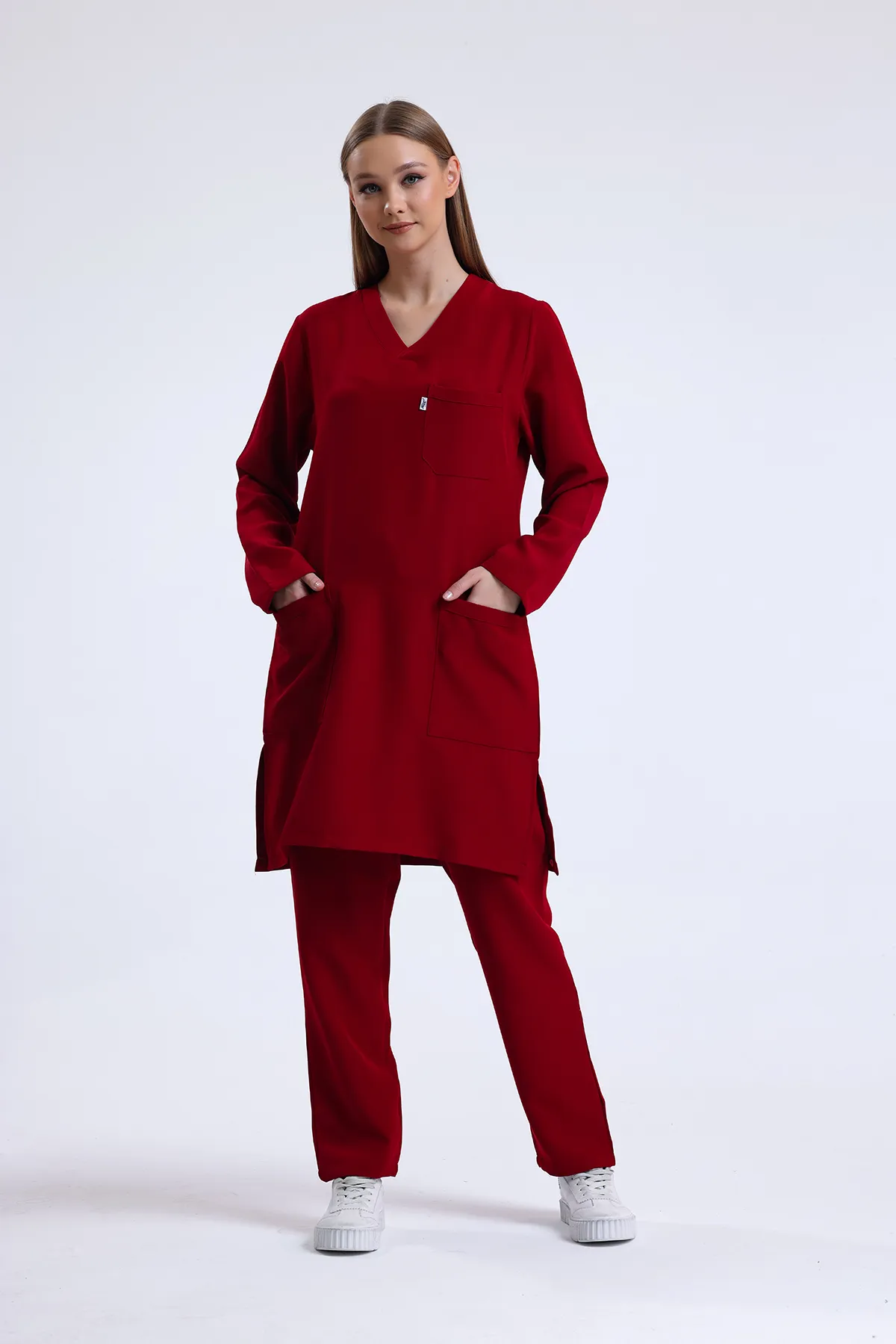
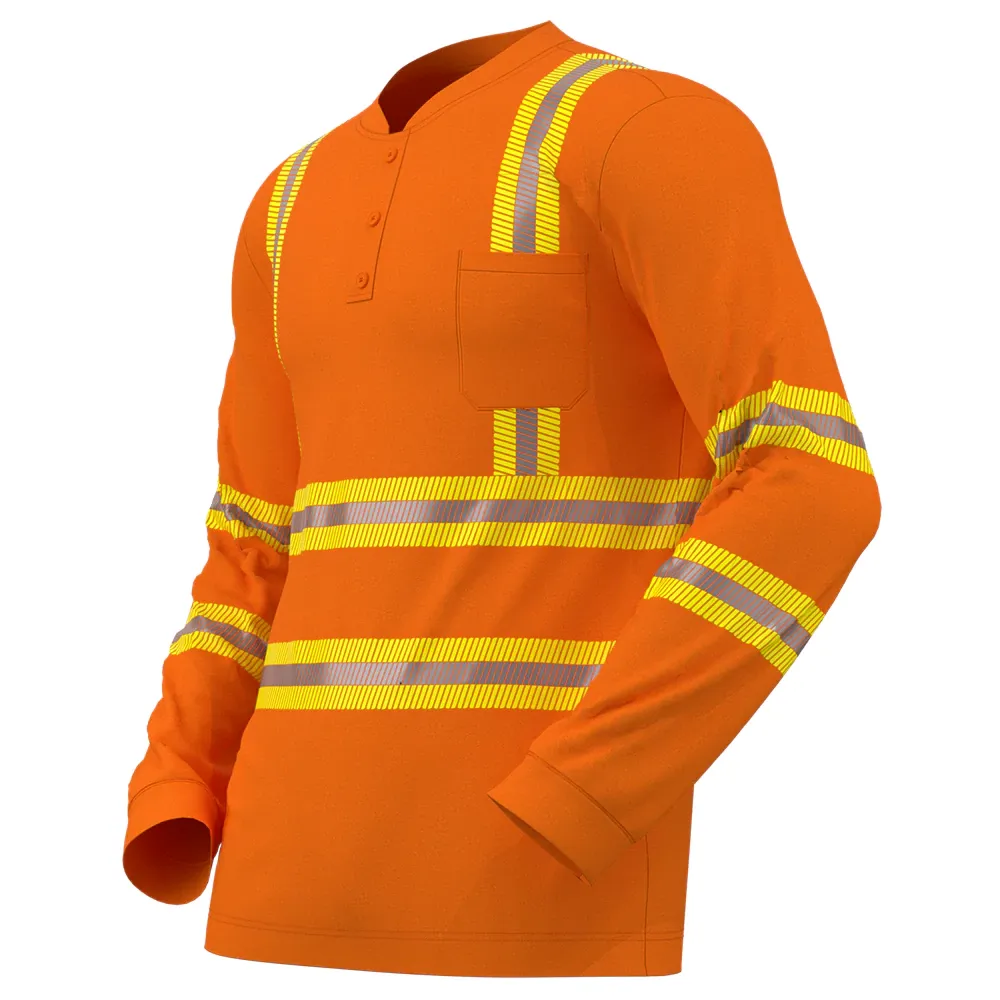
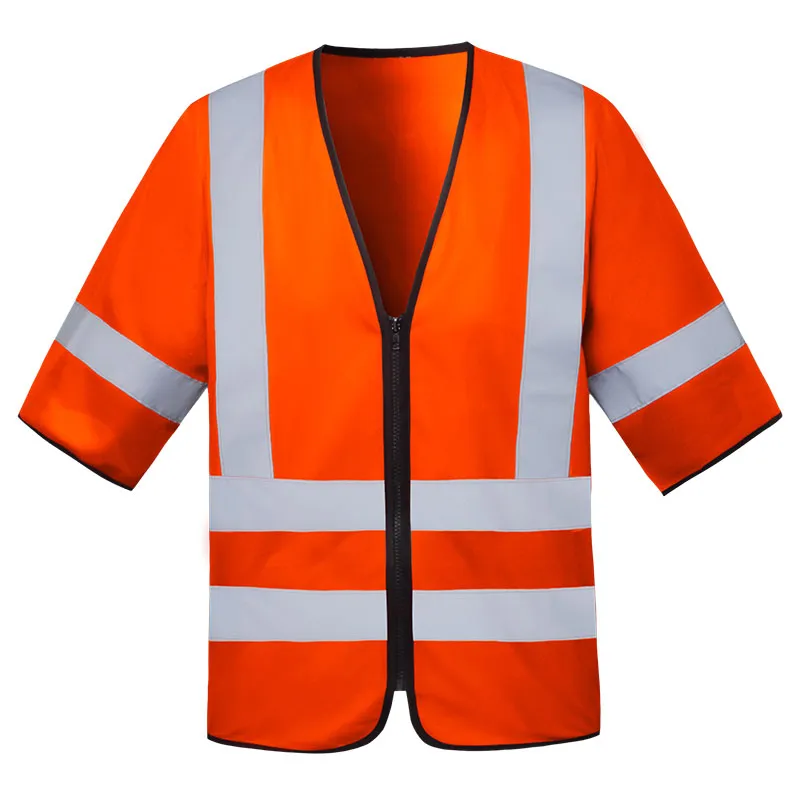
- Wholesale server uniform collection with shirt, vest, trousers, and apron pieces
- Service staff member testing a shirt size sample through tray-lifting and table-reaching movements
- Embroidered restaurant logo on a shirt alongside a pocketed service apron sample
- Bulk server uniform cartons labeled by branch, model, color, and size